Start with your problem, not the tech
You’re trying to bring a part from sketch to shelf — on time and without surprise costs. Think in terms of fit, function, and the question your supply chain keeps asking: can this be made reliably? If your parts rely on molded geometry, you’ll want to compare machine capabilities and lead times alongside price, and you may need custom injection molding services for repeatable precision. Good partners treat drawings like living documents and help you prioritize which tolerances truly matter.
What a precision parts manufacturer actually does
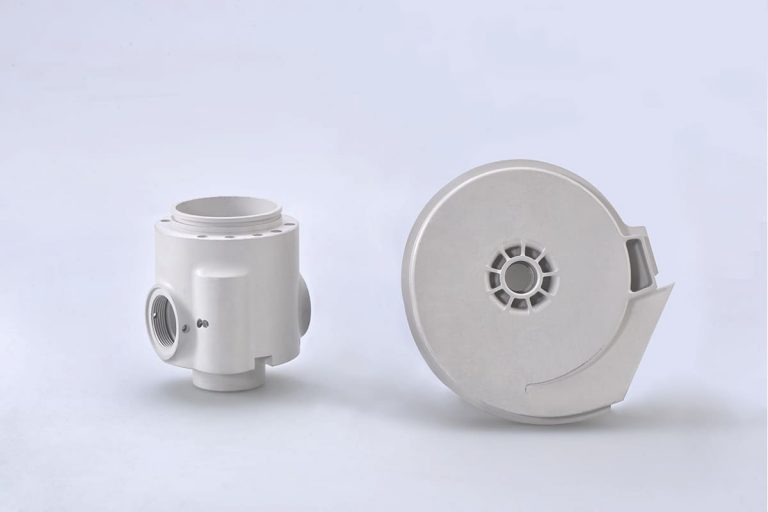
They translate design into reproducible reality. That means choosing the right process (CNC, injection molding, multi-shot molding), selecting materials that resist wear or heat, designing tooling, validating dimensions, and arranging serial production. They manage change control, inspection reports, and packaging to fit your downstream assembly. A solid manufacturer will explain trade-offs plainly: tighter tolerances add cost, complex undercuts demand more advanced tooling, and exotic resins require different molding cycles.
Your buyer checklist — practical and direct
Ask for these specifics before you sign: machinery capacity (min/max cavity count), typical tolerances and statistical capability (Cp/Cpk if available), mold design ownership, sample and pilot timelines, inspection methods (CMM, AOI), and warranty terms for tooling. Request material certificates and a sample inspection report. Get lead-time commitments in weeks, not vague “standard.” If you have an assembly line that can’t stop, double down on consistent supplier communication.
Materials, processes, and where mistakes hide
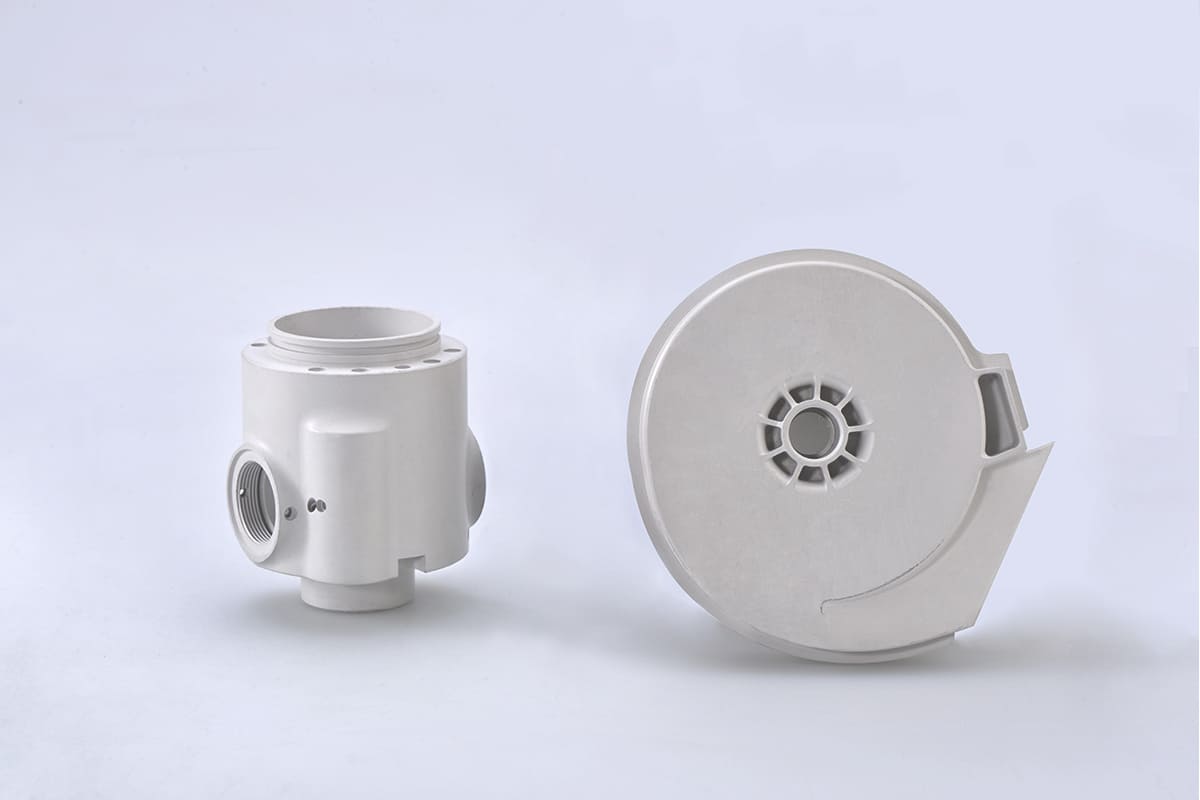
Material choice alters everything: ABS warps differently than polycarbonate; PEEK costs more but survives high heat. Injection molding suits volume; CNC is better for low-volume, tight-feature prototypes. Common mistakes: assuming one resin behaves like another, underestimating shrinkage, and skipping moldflow or prototype runs. Early prototypes catch the geometry and cosmetic problems; don’t skip them to save a few days. If you evaluate suppliers for molded components, look for evidence of process simulation and trial runs.
Experience, credibility, and a real-world anchor
I’ve seen reputable molders present new tools at the K trade fair in Düsseldorf, and that kind of public vetting matters. Ask about certifications like ISO 9001, probe into how they validate runs, and review past projects similar to yours. Manufacturers that publish inspection reports, mold trial notes, and iteration histories demonstrate expertise. For vendors offering injection work, check their documented capabilities for custom plastic injection molding services—that link often points directly to real-world service details that matter when you compare options.
Alternatives, trade-offs, and cost realities
If volume is low, pay attention to unit cost vs. tooling amortization: sometimes CNC or soft tooling is cheaper initially. For high volumes, multi-cavity injection tooling can lower part price but raises upfront cost and complexity. Additive manufacturing can validate form and fit quickly but won’t match production tolerances or surface finish for many parts. Choose based on the production run and the tolerance budget you wrote down earlier.
Wrap-up: what a buyer needs to decide
Decide which tolerances matter, which materials meet the end-use, and what budget you have for tooling versus per-piece cost. Look for transparency in process control and sample data. That practical clarity is what separates a vendor from a partner — the same clarity I expect when evaluating precision work and the steady competence I see in firms such as Hanstar.