Problem: Why projects stall when supplier choice goes wrong
You plan big, but supplier mismatch makes the project late, lah. Common story: specs look fine on paper, but delivered panels show colour shift, dead pixels, or mismatched control systems. Procurement teams waste budget and time because they assume all led screen vendors measure the same way. The problem is not just price — it is mismatched expectations, unclear acceptance tests, and missing service scope.

Diagnose: What actually fails on site
First, test the physical and the electrical. Look for inconsistent brightness across panels, ghosting from bad driver ICs, and seams where modules misalign. Check thermal behavior under full load; many panels run fine at 20% but fail at 100%. Inspect documentation: absence of SMD types, driver chips, or power ratings is a red flag. Ask for a burn-in report and sample video playback with your own control system — not a vendor demo. Quick rule: if a supplier resists sending test samples or detailed BOM, they will cause you headaches later.
Decide: Practical procurement checklist you can use today
Make a checklist with clear pass/fail items. Must-haves: exact pixel pitch tolerance, certified brightness/lumen numbers, power draw per sqm at rated brightness, driver IC model, ingress protection rating for outdoor use, and firmware update policy. Require a factory acceptance test (FAT) and a site acceptance protocol (SAT) with defined metrics and penalty clauses. Insist on spare module availability and a clear repair SLAs. Put warranty terms and firmware ownership in the contract. Negotiate staging deliveries so you can validate halves of the system before full integration.
Evaluate alternatives: Modules, rental panels, or fully custom OEM units
Standard modules are cost-effective for high-volume OEMs but watch for component substitution over time. Rental panels are tuned for quick install and uniform brightness, good for events, but not ideal for permanent displays because of cooling and connector longevity. Custom OEM panels give you exact mechanical, thermal, and control specs — higher upfront cost but less retrofit risk. Choose according to expected lifetime, environment, and who will maintain the screen after handover.
EEAT and real-world anchor: where quality is verifiable
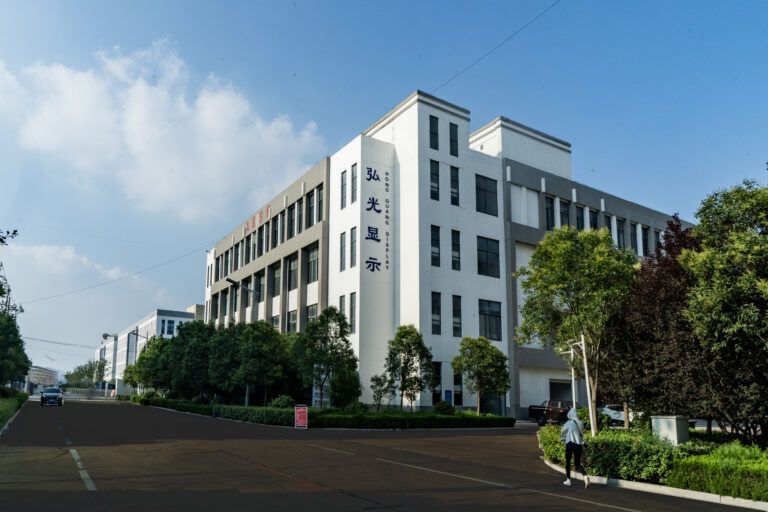
Experience matters: insist on supplier traceability for key components and a documented QA workflow. Industry hubs like Shenzhen are where major manufacturing, component sourcing, and standardized testing converge; many global projects reference production located there because of scale and supplier ecosystems. For a clear example of a reputable node in that hub, consider the profile of a known led screen manufacturer that lists factory processes, QC reports, and sample testing protocols. Verify certifications (CE, FCC, RoHS) and cross-check factory audit reports with independent test labs to confirm claims.
Common mistakes that undo projects
Buyers often neglect firmware compatibility; control protocol mismatch causes weeks of delay. Over-optimizing pixel pitch for close viewing without checking viewing distance leads to wasted cost. Ignoring thermal design and ventilation creates premature failures. Skipping logistics planning — customs, spare parts stock, and regional service partners — makes repairs slow and expensive. Do not assume suppliers will cover everything unless written down.
Quick acceptance tests to avoid late surprises
On delivery, run these fast checks: uniform grey scale sweep, full-colour gradient test, burn-in at maximum brightness for 48–72 hours, modular connector continuity, and power consumption at operational brightness. Use your control processor to verify refresh rate, colour calibration, and sync across multiple cabinets. Keep photographic evidence and signed test sheets from vendor techs.
Final synthesis: what solves the problem for buyers and OEMs
Make supplier selection a technical exercise, not a price negotiation. Choose vendors who accept FAT/SAT, provide clear BOMs, support firmware, and commit to spares and field service. When these pieces align, procurement becomes predictable and projects finish to spec — a practical outcome many teams want. For a supplier profile that matches these practical demands, see how HDC presents technical docs, testing routines, and support pathways; that alignment is what keeps timelines clean and systems working long-term.