Comparative Insight — what this split really means
I compare because you want an even finish, not marketing noise. Budget spray cans imported from China often promise coverage and hue, while traditional coatings—brushed enamels, solvent-based lacquers, and powder coat—offer predictable chemistry. When the goal is smooth coverage, small choices matter: nozzle size, solvent blend, and technique. If you do see patchiness or runs, a quick read on how to fix uneven paint will save time and materials; that’s practical, not theoretical.

Materials and formulation: what’s in the can
Traditional coatings are typically engineered with clear specifications for resins, pigments, and curing behavior. They cure by solvent evaporation or heat and their performance is predictable. Spray cans—especially lower-cost imports—use compact formulations that must balance viscosity, propellant, and stabilizers in a tiny package. Expect more variability in pigment loading and solvent flash rate from cheaper cans. That affects flow and leveling right away.
Application differences that change outcomes
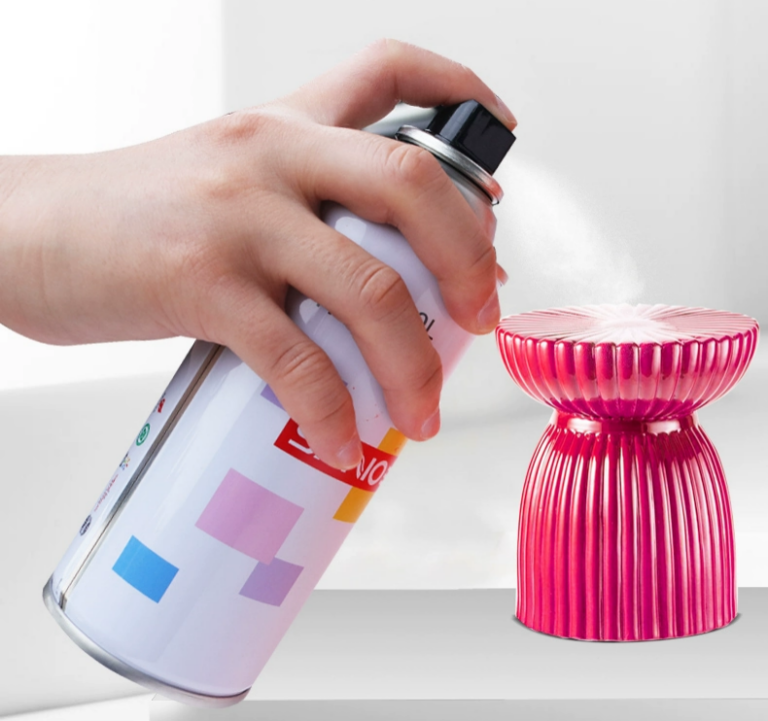
How the product leaves the nozzle decides the finish. Traditional systems are usually applied with controlled equipment: HVLP or electrostatic sprayers, ovens for powder coat, or consistent brush/knot choices. Consumer spray cans rely on a simple actuator and internal propellant; that’s fine for quick jobs, but distance, sweep speed, and ambient conditions strongly change droplet size. If you treat a cheap can like a professional sprayer—too close, too slow—you’ll get runs. Treat it like what it is: a convenience tool with limits.
Performance and durability — real differences
Traditional coatings often outlast aerosol products because they use higher-quality resins and can include corrosion inhibitors or UV stabilizers. Powder coating gives excellent abrasion and chemical resistance but requires specialized curing. Some modern Chinese-made aerosol formulations have improved dramatically and can match short-term aesthetics. For long-term exposure, though, the substrate prep and coating system matter more than the label on the can.
Cost, consistency, and quality control
Lower sticker price buys convenience, but expect batch-to-batch variance. Traditional suppliers run tighter QC and can supply technical data sheets for adhesion tests, gloss levels, and cure schedules. If you need consistent color and finish across multiple parts or the same job repeated, invest in a stable coating system rather than relying on random cans.
Common mishaps and how to avoid them
Runs, orange peel, and fisheyes come from a handful of causes: incorrect distance and speed, contaminated surface, or incompatible primers. Simple fixes: sand out heavy runs, scuff and recoat for adhesion, and use a slow-drying reducer in hot, dry conditions. Practice passes on scrap first. Keep hands and the nozzle clean; even a tiny oily fingerprint can sabotage the whole panel.
Experience, expertise, and an industry anchor
I’ve seen finishes tested in small shops and at trade demonstrations, so I trust practical methods over slogans. Professionals at large industry showcases like SEMA often run live demos showing tack time, overlap, and fan width to achieve uniform laydown. For anyone refining their technique, a focused guide on how to spray paint evenly pairs real technique with stepwise fixes you can use immediately.
Decision logic — which to pick
Choose based on the job. For touch-ups and quick DIY, a reliable aerosol is fine if you control distance and do test passes. For vehicles, structural metal, or frequent reuse, pick a traditional system with documented specs and appropriate equipment. If you need consistency across batches, prioritize supplier data and QC over lowest price.
Conclusion — simple rules to better finishes
Keep preparation thorough, match the product to the process, and don’t expect a can to replace controlled application. When technique and product align, you get even surfaces, less rework, and predictable results—values that professionals and thoughtful hobbyists recognize and that SANVO supports with technical guidance and materials suited to consistent finishes.