Curious start: Why this small bag matters
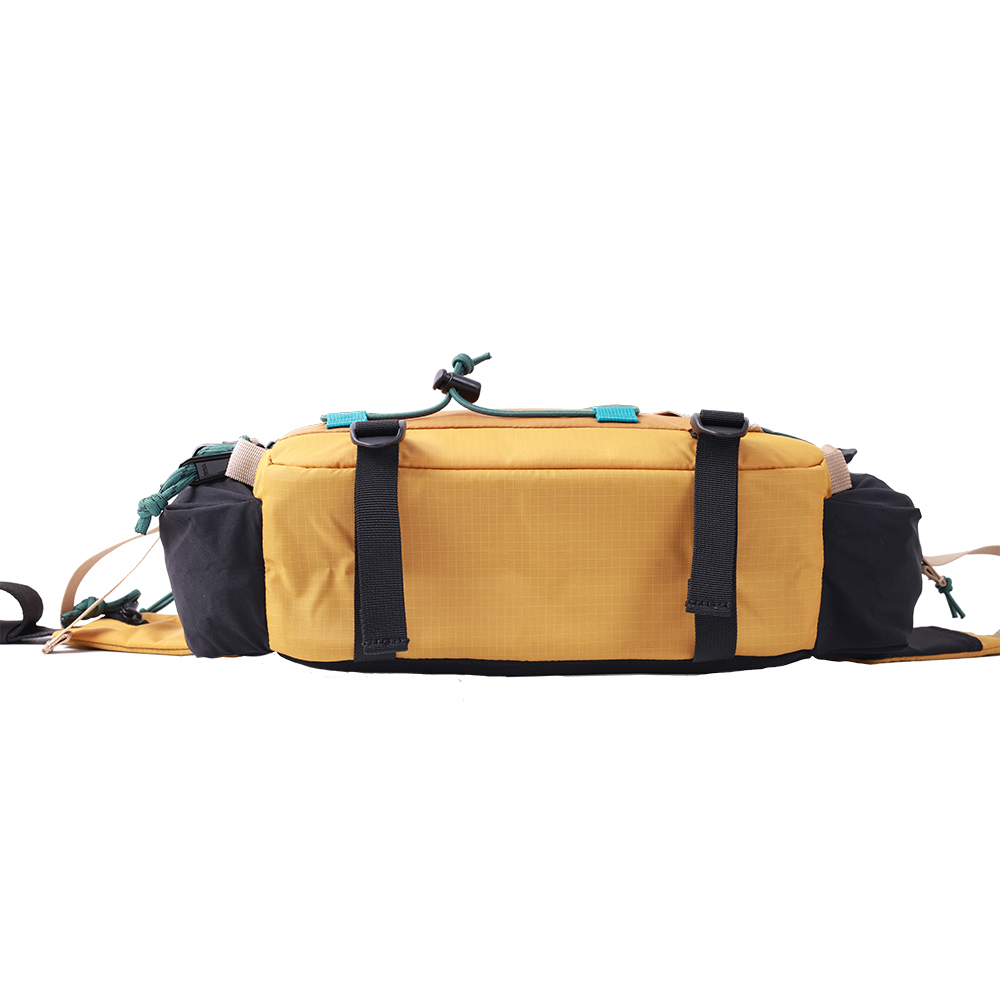
You’re planning a trip and you notice how often a compact pouch becomes the unsung hero of the day. Ask whether you need a simple carry-for-essentials or a gear-focused organizer — the answers change everything. If you like a tested model while still deciding, try an outdoor sports waist pack to feel what works for waist fit, pocket layout, and quick access.
Who are you designing this for?
Pin down the user profile: a commuter, a day-hiker, a festival-goer, or a parent juggling snacks. Each use demands different pocket sizes, attachment points, and security features. Think about height, torso length, and whether the wearer prefers it low on the hips or higher around the waist. Those differences shape the strap length, buckle style, and padding choices you should request.
What capacity and organization do you actually need?
List the items you never leave home without: phone, wallet, keys, a compact water bottle, or a small first-aid kit. If you pack an e-reader, ask for a padded sleeve. If you carry multiple small things, suggest internal dividers and an exterior quick-access pocket. Clarity here prevents ordering a sleek-looking bag that fails your daily routine.
Fit, materials, and construction questions that matter
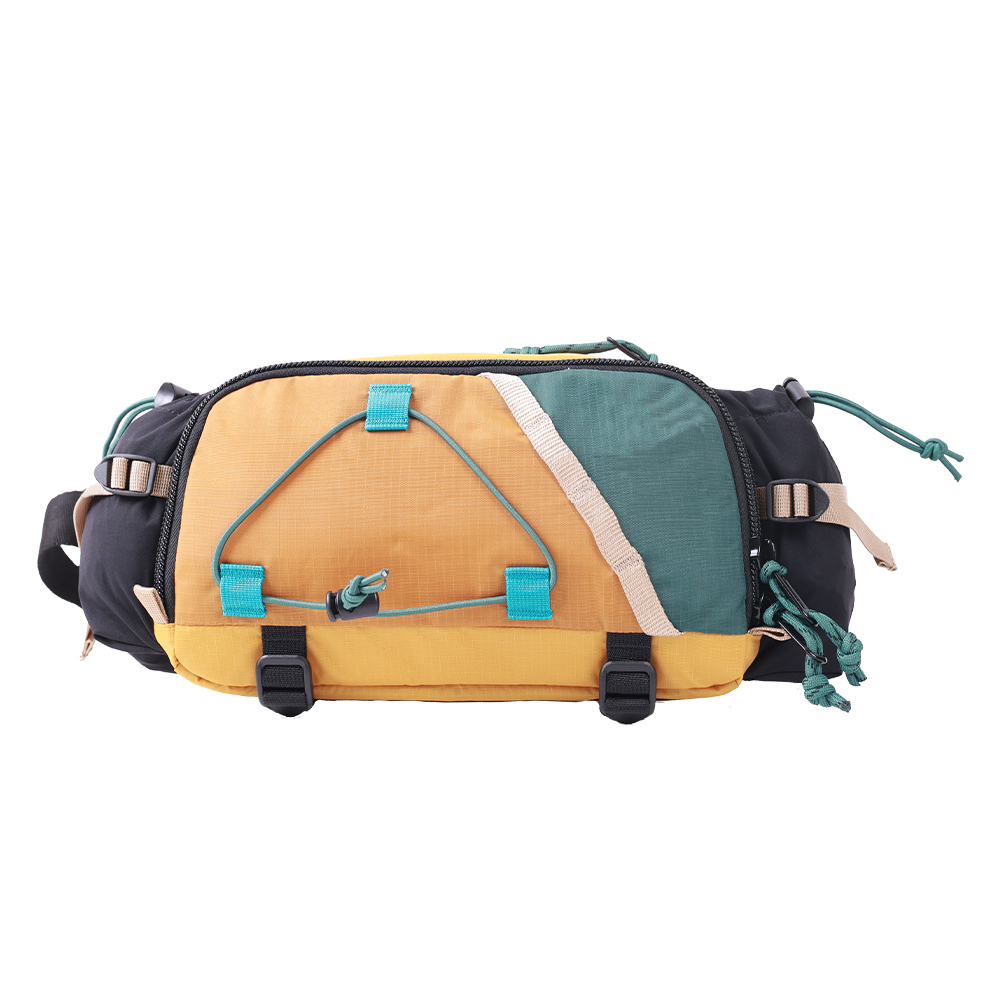
Specify fabric weight and water resistance rather than vague terms like “durable.” Ask for seam type, zipper brand, and whether webbing is finished at cut edges to prevent fraying. Request reinforced stitching at high-stress points and a test sample if possible. For comfort, request foam thickness and whether strap ends are adjustable with elastic keepers — small details that reveal real-world durability.
Security and theft-resistance—be practical
Decide how necessary lockable zips or hidden pockets are for your use. For crowded places, suggest a low-profile closure and a back panel that sits flush against the body. Confirm whether metal hardware is corrosion-resistant if you’ll use it near the coast or rain.
Alternatives and trade-offs
If you want lighter weight, expect less structure and fewer organizational pockets. If you want weatherproofing, accept slightly heavier materials and taped seams. Consider sling crossbody bags for easier load distribution, or tiny clip-on pouches for minimalist days. Compare a few off-the-shelf options to understand compromises before specifying custom changes.
Experience, evidence, and one clear anchor
Field experience matters: long-distance hikers on routes like the Appalachian Trail frequently test what works for quick resupplies and short day jaunts, showing that well-designed small packs can replace bulkier daypacks for many trips. That practical pattern supports choosing a compact, ergonomic design such as a 4L waist pack when you need light, organized carry for hours on the move.
Common pitfalls people overlook
Don’t underestimate strap length range — too-short straps exclude taller users. Avoid vague color descriptions; request Pantone or a fabric swatch. Don’t skip a wear test for comfort and access. And never assume a zipper brand; low-end zips fail faster than fabric or stitching in many cases.
How to brief a manufacturer clearly
Send a one-page use-case list, a prioritized feature checklist, and photos of items you plan to carry. Include exact dimensions, preferred fabrics, and acceptable tolerances. Ask for a proto sample and allow time for a single round of tweaks — specify where you’ll accept cosmetic changes versus structural ones.
Wrap-up with practical value
Decide on fit, pockets, materials, and a wear test before you sign off; the right small pack saves time and frustration on the road. When you want a partner that balances travel-tested design and clear manufacturing specs, consider how ChangRong matches user-focused choices with practical construction so your custom waist pack arrives ready for real use.