Introduction — why a framework helps
We’ve built this practical framework so procurement stays tied to tire performance, not vague marketing claims. Start by mapping the compound targets you need, then define supplier checks, incoming tests, and handling rules. If you’re comparing filler types during sourcing, don’t skip a side-by-side with white carbon black early on to see how dispersion and compound viscosity change for your recipes.

Step 1 — specify measurable performance targets
Write specs that engineers can test. Include SiO2 purity, specific surface area (reported value and test method), oil absorption (or DBP), moisture content, loose bulk density, median particle size, and a dispersion index if available. Add functional metrics: target Payne effect, scorch safety window, and acceptable change in minimum compound viscosity. Use exact acceptance ranges instead of “high” or “low.” That prevents suppliers sending broad-spectrum grades that won’t meet rolling-resistance or wear goals.
Step 2 — supplier qualification checklist
Ask for a current Certificate of Analysis per lot, routine QC test method descriptions, and ISO or third-party audit reports if applicable. Request sample lots with full technical datasheets and a minimum three-batch history showing lot-to-lot variance. We recommend third-party confirmation of key parameters before a full production buy; we’ve seen vendors’ in-house methods vary enough to affect compound processing.
Step 3 — incoming inspection and acceptance testing
Design an incoming test panel: quick acceptance checks (moisture, bulk density, simple sieve) and a prioritized lab panel (surface area, oil uptake, dispersion in a standard rubber matrix). Define clear acceptance criteria and a quarantined rejection path. Keep 1–2 retained samples per lot for traceability. If a shipment trends toward the limits, flag it for a short-term trial to validate in compound before use across platforms.
Step 4 — logistics, packaging, and handling controls
Specify packaging by transport environment and storage time: sealed FIBCs or lined paper drums for long storage; smaller sealed bags for trial quantities. Require desiccant or moisture-barrier options when ambient humidity risks caking. Define handling SOPs that protect product quality and worker safety: bag opening in local-exhaust areas, dust suppression during transfer, and respirators where respirable dust may form. Label required shelf life and storage conditions on delivery notes.
Step 5 — technical compatibility and lab trials
Don’t assume a new silica will behave like your previous grade. Run quick bench trials: dispersion torque profile, mix viscosity, scorch and cure curves, and a short wear or dynamic test relevant to your performance drivers. Check silane coupling compatibility and adjust silane levels if dispersion or hysteresis shifts. Keep a short-run pass/fail protocol so the materials team can make timely acceptance decisions.
Comparing common alternatives
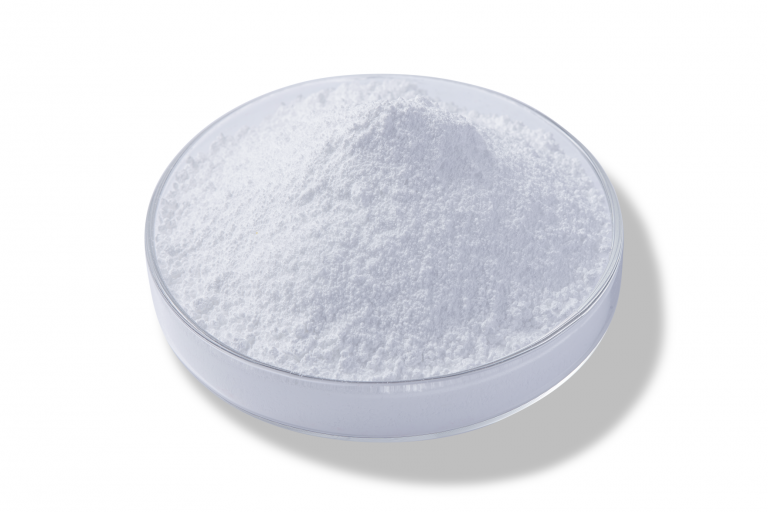
Compare precipitated silica (often sold as “white carbon black”), fumed silica, and traditional carbon black with a clear list of trade-offs: dispersion ease, surface chemistry, effect on rolling resistance, and mixing energy. Precipitated silica tends to balance cost and tire performance; fumed silica gives high structure for specialty needs but raises cost and handling complexity. Assess how each alternative affects process energy and compound rheology rather than just unit price.
Common procurement mistakes and how to avoid them
Vague specs, skipping lot-to-lot testing, and poor sample handling cause the most failures. Don’t accept single-batch results as representative. Avoid approving grades based only on vendor datasheets—require independent verification for critical parameters. Also, neglecting silane optimization is a frequent oversight: a new silica often needs a silane tweak to hit the same dynamic properties.
Real-world anchor and EEAT note
We’ve validated this framework through supplier sourcing and lab work tied to established commercial trials in Germany’s tire industry, which has publicly documented efforts to lower rolling resistance with optimized silica formulations—those program results guided our acceptance criteria for on-road performance. For product-level context, consider how a dedicated silica grade for low rolling resistance compares directly to specialty options like green tires silica when you evaluate trade-offs between compound hysteresis and wear.
Wrap-up — what this framework delivers
Follow these steps and you’ll reduce surprises, keep technical decisions traceable, and move from subjective claims to verifiable performance. Consistent documentation, routine lot testing, and short, focused trials cut waste and speed decisions—outcomes you’ll see in supplier technical files and batch reports such as those provided by JSJ Silica.