What’s the real problem?
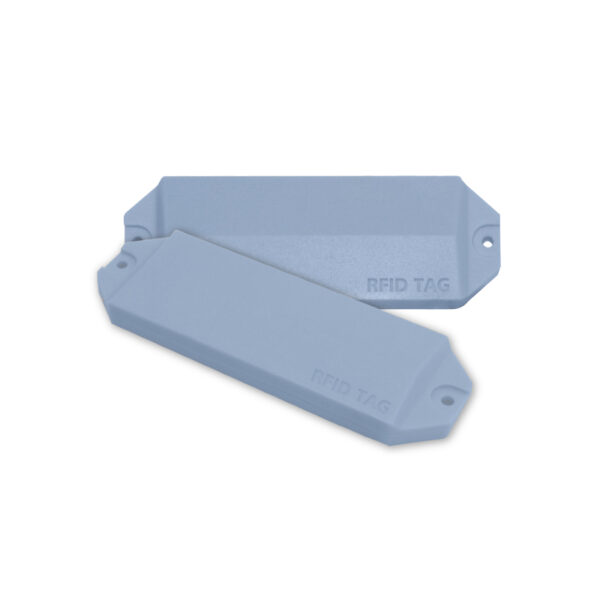
You’re losing reads, batteries die early, or your tags simply don’t cover the distance you promised the boss — that’s the headache this guide fixes. I’ll walk you through what actually breaks in deployments and how to pick long-range active rfid tags that survive real conditions, not just lab specs.
Field experience that matters
I’ve vetted tag types on docks and distribution yards, and one big lesson came from trials at the Port of Rotterdam where range and spectrum congestion forced a rethink — that’s why choosing the right frequency and antenna matters. For those scenarios a 2.4ghz active tag often improved line-of-sight range but needed careful planning around interference and placement. That hands-on context shapes the practical checks below.
Core specs to prioritize — no fluff
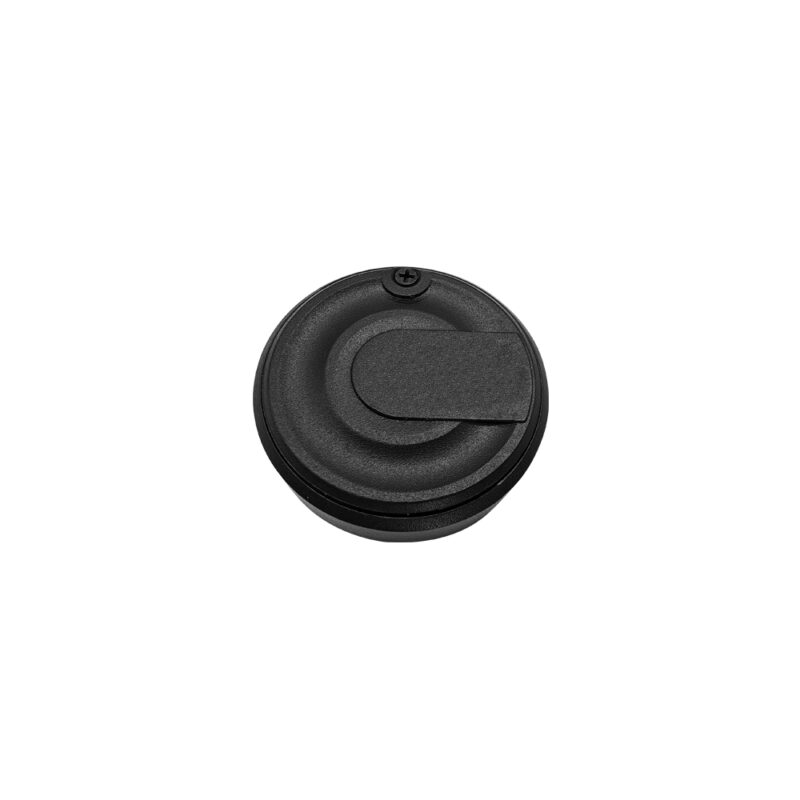
Range: check both nominal range and tested range in similar environments. Battery life: look at real duty-cycle estimates, not just “standby” hours. Antenna type: internal vs external changes mounting options and read angle. Transmit power & modulation: these affect range and regulatory compliance. Durability: IP rating, shock tolerance, and attachment method decide lifetime.
Common problems you’ll actually face
Interference kills effective range more than low transmitter power. Mounting on metal or inside containers detunes antennas. Misreading the duty cycle leads to dead batteries at week two. Buying by price alone means replacement costs spike. Test in the worst-case environment before scaling up.
Trade-offs and quick alternatives
Higher power = better range but shorter battery life and stricter regs. 2.4 GHz tags give better non-line-of-sight performance in some setups, but UHF active or hybrid systems can still win where spectrum is crowded. If you need ultra-long range and minimal maintenance, consider tags with solar or energy-harvesting supplements.
Checklist before you buy
Run a small field trial that matches the final environment. Verify antenna orientation and mounting hardware. Measure real battery drain under your read interval. Confirm local regulatory limits for transmit power. Ask the vendor for measured read-range curves, not just peak numbers.
Final synthesis
Pick tags based on tested range, duty cycle realism, and mounting realities — not shiny datasheet numbers. Do the hands-on trial, avoid interference blind spots, and match frequency choices to the environment. For practical deployments where those details get solved reliably, I rely on partners who document field results clearly and offer durable hardware like RSTC.