Lead: A choice in three parts
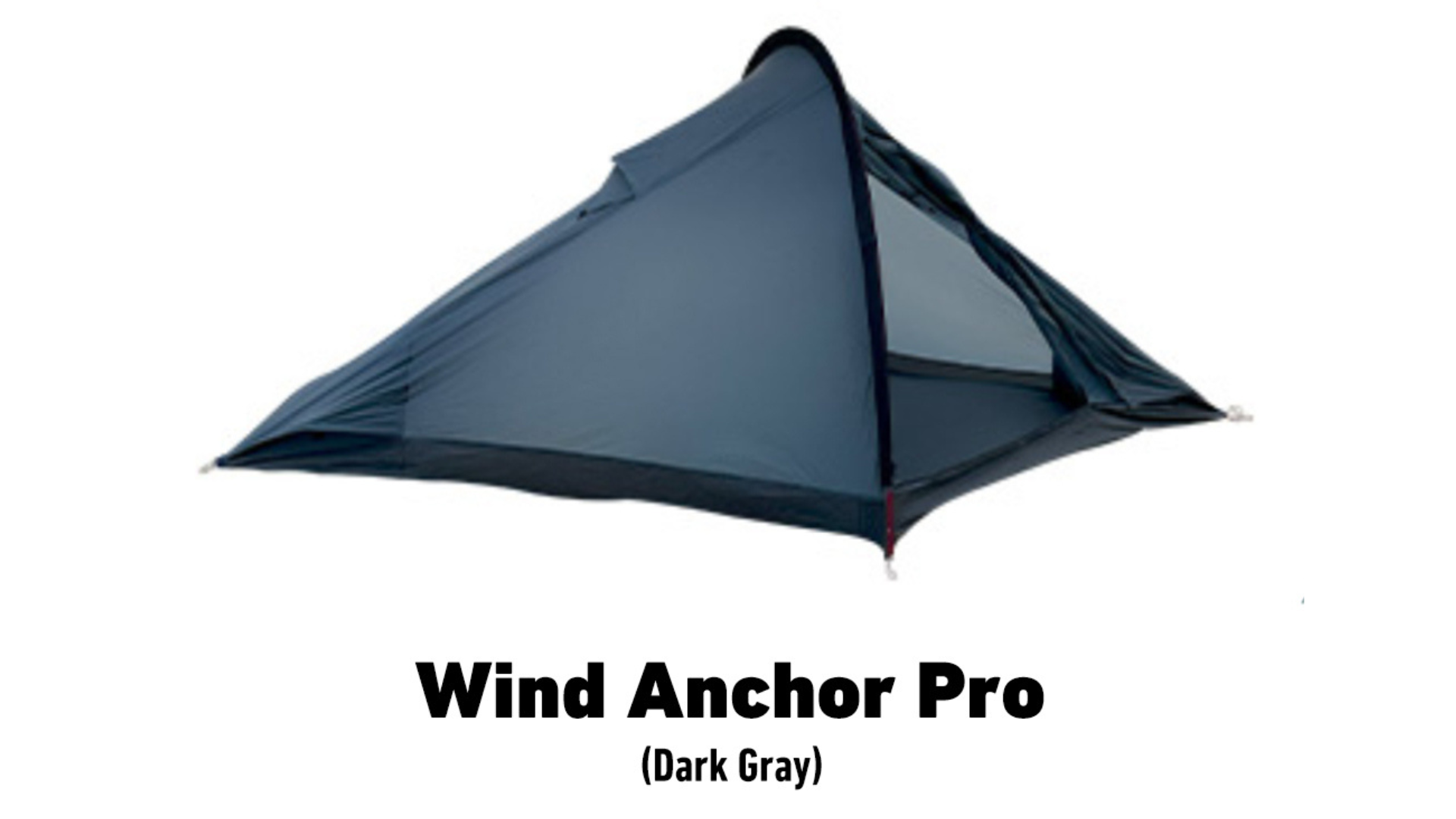
Decide fast. Comfort, weight, setup — each pulls you a different way. I’ve spent ten seasons guiding backcountry trips and testing shelters while storms taught me to listen. Pack a waterproof flysheet and you’ve solved one problem; ignore the next and you’ll know it by dawn. In the damp of the Pacific Northwest, where wind and rain rewrite plans, a good camping tent rain cover changes outcomes, not just comfort. This is a tight comparison: what you give up, what you gain, and which compromise keeps you dry and moving.

Comfort: What you feel when the night closes in
Hammocks cradle. Tents cocoon. Comfort is sensory and immediate. Hammocks remove ground hardness and mud, but they trade privacy and floor space. Look for width, lay angle, and suspension adjustability. If you sleep on your side or need space to shift, choose a wider hammock with a gentle sag. Tents win when wind isolation and upright living matter — vestibules for cooking, changing, gear organization. Evaluate padding needs: an underquilt or good sleeping pad changes the hammock equation entirely.
Weight: The arithmetic that decides distance
Every ounce is a sentence on long mileage. Hammocks can be lighter, but add a tarp, ridgeline, suspension, and insulating underquilt and the math shifts. Ultralight tents often weigh more packed but give predictable setup weight distribution. Set a threshold: day hikes—comfort first; multi-day pushes—aim for sub-3-pound shelter without sacrificing a reliable rain barrier. Materials matter: ripstop nylon and silicone coatings reduce weight while keeping strength, but seam quality and hardware add real-world mass. Don’t chase grams at the expense of a trustworthy fly or robust stakes.
Setup: Time, terrain, and small errors that become big problems
Setup is where decisions reveal themselves. Hammocks demand trees and attention to angles; too steep and you slide, too loose and you sag. Tents need flat ground, good stakes, and seam-sealed flysheets. Common mistakes: choosing the single flattest spot without checking drainage, pitching too taut in cold conditions, or trusting a new seam tape under a deluge. Practice at home. Time yourself. Learn a taut-line hitch and a quick tarp pitch. A well-set shelter is restful; a rushed one exposes every gear weakness.
Comparative insights and viable alternatives
Lay the options side by side and score them by what matters to you. Comfort priority: hammock plus underquilt. Weight priority: stripped-down tarp or ultralight single-wall tent. Setup priority: freestanding tent solves awkward sites and delivers faster refuge. Alternatives worth testing: double-wall tents for storm resilience, hybrid hammocks with integrated bug netting, and minimalist tarps for alpine moves. Avoid these traps: buying solely on weight claims, ignoring waterproof ratings, or skipping user reviews from field guides and long-distance hikers. Real experience trumps specs.

Final balance: What to bring along the trail
Comparison reveals one truth: shelter is a set of trade-offs you live with. Choose the piece that matches how you travel, not what looks light on paper. The right combination of comfort, weight, and setup minimizes decisions when weather turns. For gear choices that favor practical trade-offs and tested details, consider the kind of kit refined by real trail time; THECATAL sits among those tools that solve small problems before they become shelter crises.