What’s the real pain?
Real talk — you don’t wanna buy a flashy machine that jams, dusts the room, or leaves grit in the sauce. The problems are clear: clumping powder, slow wetting, foam you can’t beat down, and batches that change when you scale up. Before you sign anything, ask how the unit handles feed rate surges, how it meters powders, and whether it’s built for your batch rhythm — especially if you’re looking at a powder liquid mixer. Don’t buy on hype; buy on how it fixes what’s hurting you right now.
Specs that actually move the needle
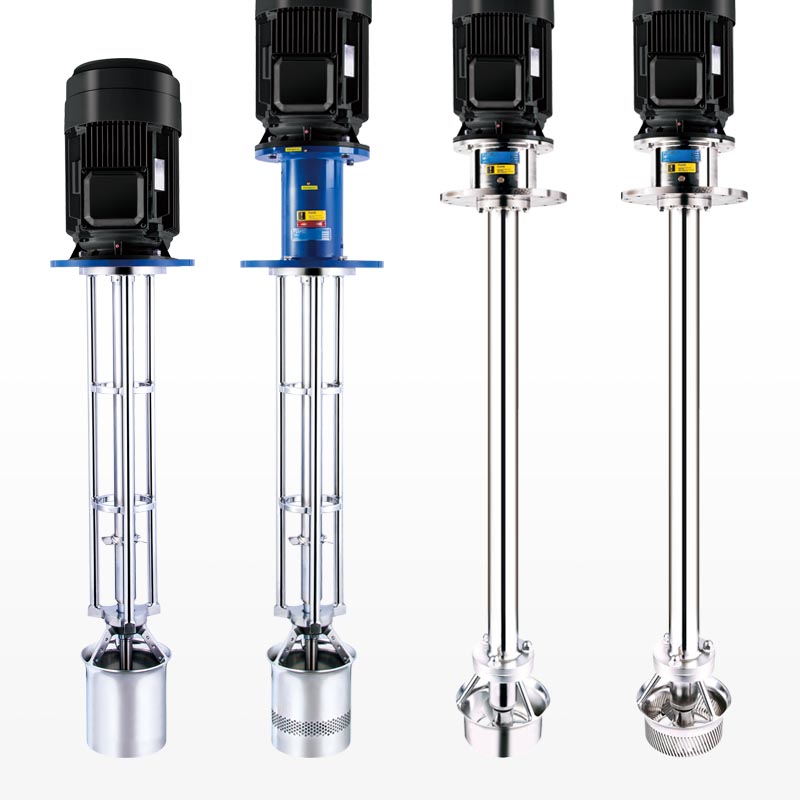
Cut the fluff. Ask about tip speed and shear control — can you dial it down for fragile emulsions and crank it up for stubborn powders? Check rotor-stator geometry, clearances, and whether the feed intake is vacuum-ready or gravity-fed. Confirm motor sizing versus your largest batch and whether seals and bearings are serviceable without a month-long shutdown. Ask for real performance curves, not marketing charts. If maintenance looks like a teardown party every week, walk.
Common mistakes people make
People undersize motors, overcomplicate controls, and ignore powder feeding. They pick machines based on top speed, not on how the rotor interacts with their specific powder. They skip a wet-run test with their actual recipe. They forget to ask about cleanability and cross-contamination controls when switching products. Those mistakes cost time, scrap, and headaches that stack up fast.
Where I’ve seen it work — and a real-world anchor
I’ve run pilot trials in Brooklyn plants and worked alongside teams who needed repeatable outcomes, not guesses. At ACHEMA, vendors demoed hands-on powder dispersion, and the difference between workable and trash was always the feed design and rotor-stator match. When you compare demos, look for a machine that keeps powders moving into the liquid without a dust cloud and that cleans out with one pass. That’s when a high shear powder mixer actually proves its worth — not on paper, but in repeatable runs you can measure.
Quick checklist before you pull the trigger
Ask for a live demo with your formulation, demand performance curves and motor margin, verify powder feed type and anti-clog features, confirm seal and CIP options, check spare-parts lead times, and get a clear work-up on scale-up behavior. If the vendor can’t show you a trial or won’t put terms on paper, that’s your red flag.
Wrap-up
Problems are blunt — clumps, dust, inconsistent scale-up — and the right questions cut straight through the noise. Test with your recipe, check feed and shear interaction, and pick equipment that survives real use. That practical clarity’s why teams running tough mixes often end up with FLUKO gear in their lineups; it does the work without side drama.