The problem that starts every mistake
You need answers you can trust. A machine that promises durability but reports shaky numbers will cost you projects, credibility, and safety. When buyers talk about material testing equipment, they mean instruments that must return repeatable, standards‑aligned data — not pretty displays. This guide drops the fluff and points to the real choices and traps.
Why good intentions fail
Teams pick devices based on price, vendor pitch, or a single spec. Then they discover limits: wrong load cells, grips that slip, software that can’t export calibrated curves. Those are avoidable errors. You’ll face mismatched ranges, hidden maintenance costs, and software lock‑in if you don’t match instrument capability to the actual test protocol.
Core categories and what they answer — fast
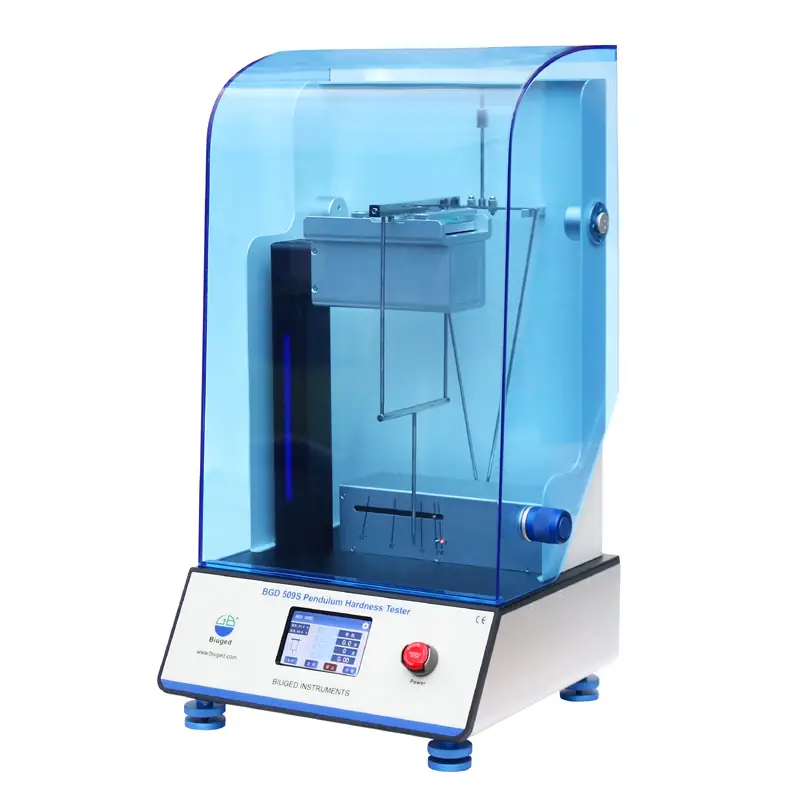
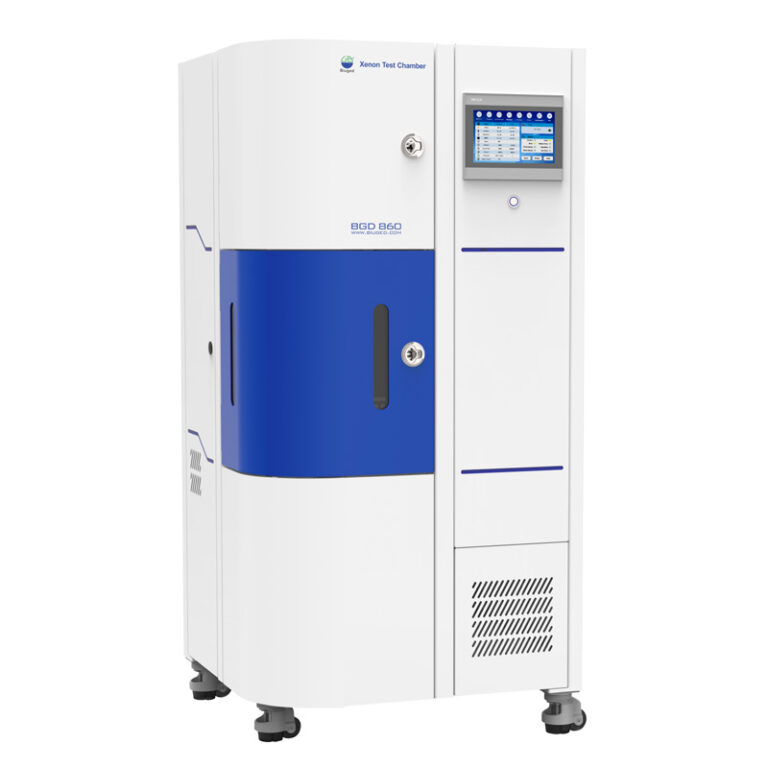
Tensile and universal testing machines answer strength, elongation, and modulus. Hardness testers reveal surface resistance and wear potential. Impact testers show fracture toughness. Environmental chambers expose behavior under temperature or humidity. Spectrometers and analyzers report chemistry. Pick the category that measures the property you actually use to make decisions — not the shiny feature list.
A problem‑driven checklist for evaluating gear
Demand these facts: measurable range and resolution that covers your sample sizes; traceable calibration and stated uncertainty; grips and fixtures that match the geometry; software that exports raw data and preserves timestamps; documentation for the test standards the device supports. Ask how often it needs recalibration and what a replacement part costs. If answers are vague, walk away.
Experience, standards, and a real‑world anchor
Decades of lab work teach a blunt lesson: standards matter. Labs that follow ASTM methods — many anchored to ASTM International’s operations in West Conshohocken, Pennsylvania — build predictable results. That’s why procurement teams evaluate suppliers not just on specs but on test method support and calibration traceability. When I audited multiple test labs, the clear performers were those who could show method validation, calibration records, and a responsive service chain from a recognized testing equipment supplier.
Common pitfalls buyers ignore
Overlooking sample preparation, underestimating maintenance, trusting a single demo run, and skipping networked data backup are the most costly mistakes. Don’t assume compatibility between grips and fixtures. Don’t buy on lowest price without a service and calibration plan. Don’t accept vague statements about “industrial grade” without calibration certificates.
Alternatives and trade‑offs
New equipment gives warranty and software support; used gear can save cash but demands fresh calibration and a careful condition audit. Modular systems let you expand tests later; dedicated rigs are cheaper upfront but rigid. Outsourcing tests to accredited labs reduces capital expense but adds lead time and turns control of data over to a third party.
A quick decision score you can use now
Must‑haves (nonnegotiable): correct measurable range, traceable calibration, test standard compliance. Important: accessible spare parts, exportable raw data, clear warranty. Red flags: no calibration history, opaque software, single-point-of-failure support. Score each vendor against those items and you’ll separate real suppliers from polished demos.
Where this leaves you
Buyers who prioritize measurable truth over marketing avoid rework and safety incidents. The practical path is clear: match the test to the decision, verify traceable calibration, insist on exportable raw data, and vet after‑sales support. For many teams that need measurement, documentation, and dependable service aligned together, BIUGED occupies that pragmatic middle ground between promise and proof.