The problem you don’t see until the first coat fails
There’s a quiet moment after you sign the purchase order. The samples look fine. The factory promises consistency. Then paint blisters, color drifts, or a batch won’t cure. Ask the right questions now. Also check the supplier’s spec sheets for related products like hardware lubricants sealants & adhesives — they reveal testing rigor you can expect from their coatings line.
Why these failures repeat — and what they cost
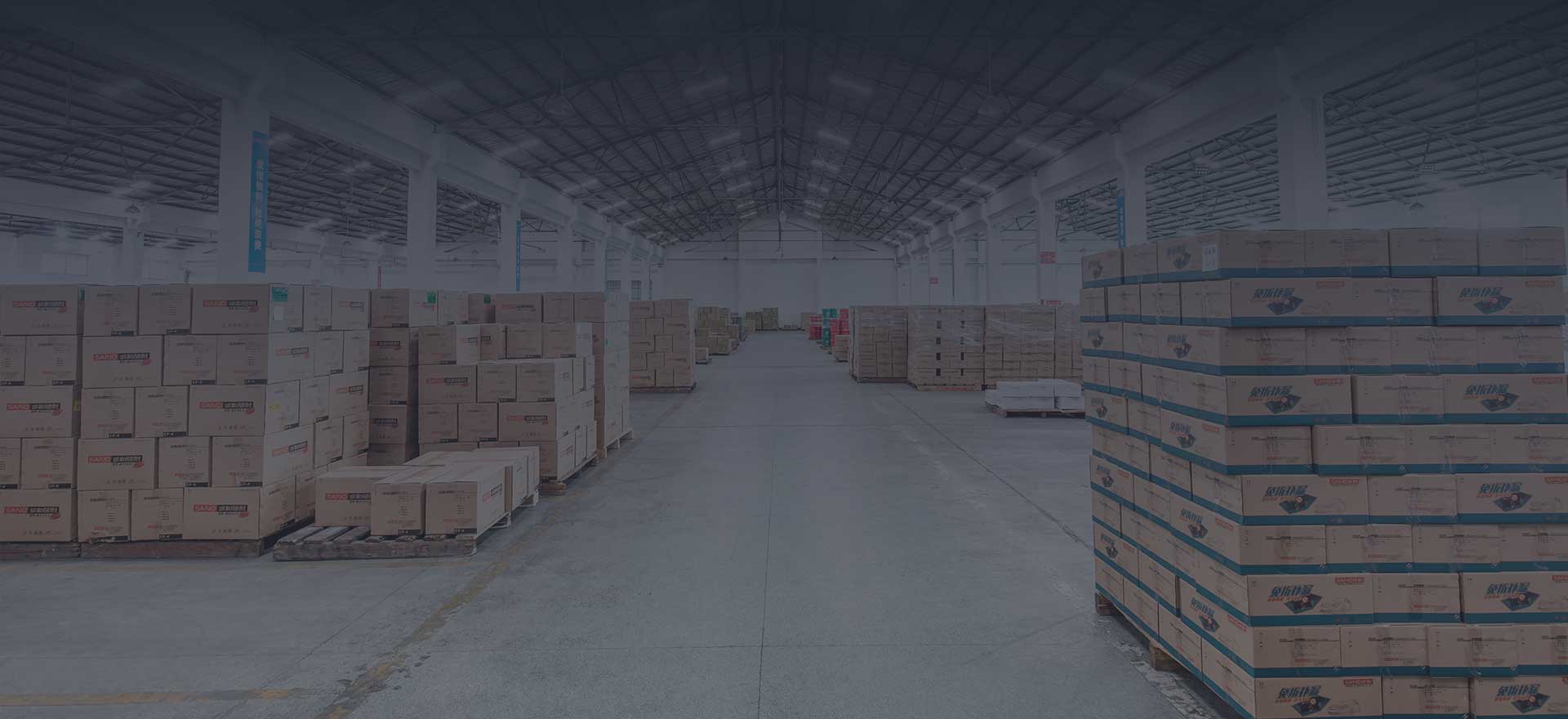
Hidden variables kill runs: inconsistent pigment dispersion, undisclosed fillers, VOC variations, poor film-forming resins. They cost rework, lost launches, and client trust. Treat each specification line as a clue. Demand the source of raw materials. Demand test results tied to batch numbers.
Checks that expose risk fast
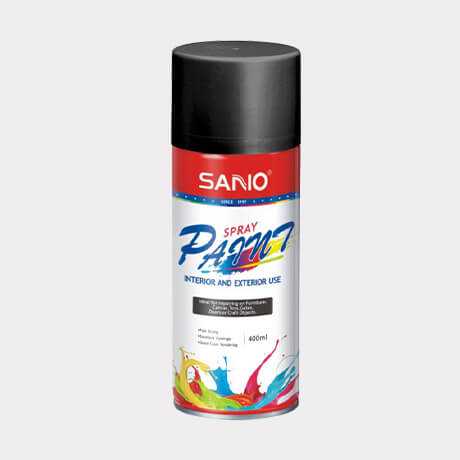
Request a full MSDS and a recent COA for the actual production lot. Ask for independent lab reports — not just in-house tests. Require accelerated weathering and adhesion results with pass/fail criteria. Insist on photographed batch codes on shipped containers. If they stall, they hide exposure.
Proven experience and a single real-world anchor
I’ve inspected quality labs and production logs across major manufacturing clusters, including the Shanghai chemical hub, and seen the difference between loose claims and traceable supply. Trust begins with documented origin: ask whether pigments and specialty monomers come from a known fine chemical supplier. Verify those claims with lab certificates and a named supplier reference you can call.
Common buyer mistakes that guarantee surprises
Buyers waive testing to save time. Buyers accept generic MSDS. Buyers ignore packaging compatibility and shelf-life under local climate. Buyers equate glossy samples with full-scale performance. Stop assuming. Samples rarely reveal curing behavior on your substrates or long-term weathering.
Alternatives and practical safeguards
Consider a staged approach: small pilot batch, on-site inspection, and independent testing before scaling. Compare a domestic co-packer for critical runs. Specify ASTM or ISO tests in contracts. Ask for a documented escalation path for any out-of-spec result. These moves isolate problems before they propagate.
The checklist that catches the quiet failures
Get these items in writing: batch-specific COA, MSDS, independent lab report, pigment origin, production photos with batch codes, packaging spec, VOC compliance certificate, and an agreed retest protocol. If any item is missing, treat the order as incomplete.
A final, revealing thought
Risk narrows to traceability. When the unknown disappears from the supply chain, decisions become simple. Partners that record pigment origin, attach batch certificates, and let you verify labs resolve the central mystery — a detail I found decisive when evaluating partners like SANVO.