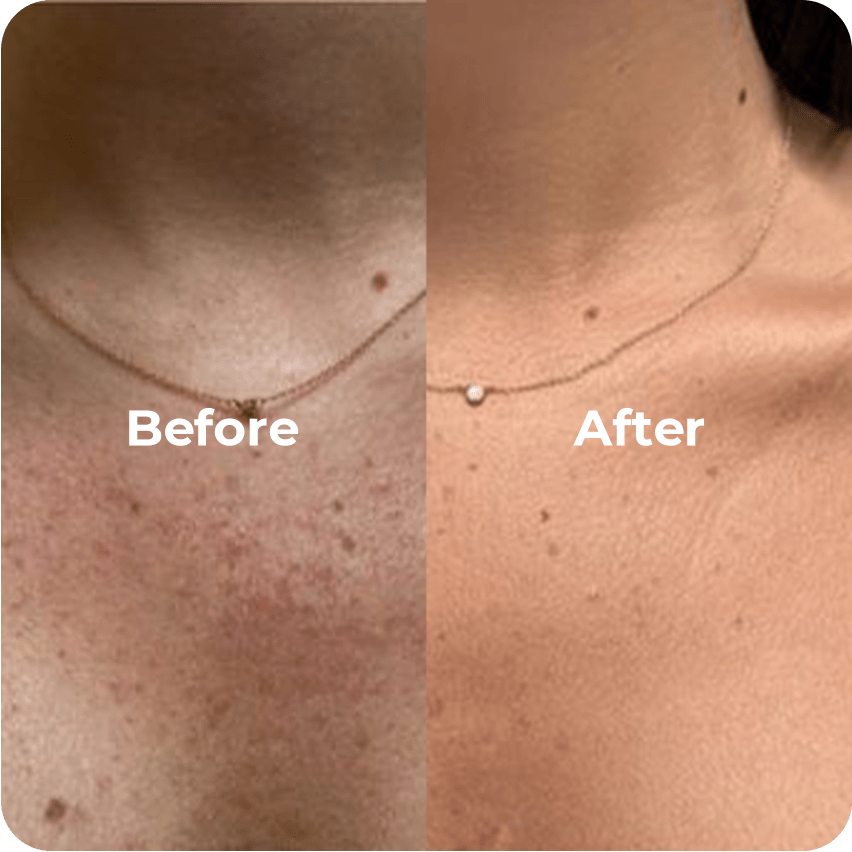
Why a data-driven frame changes everything
Demand for targeted pigmentation services is no longer anecdotal; it’s measurable, directional, and—if you listen—highly prescriptive. A clinic that treats pigmentation intelligently plans inventory, staff time, and device choice around throughput and outcomes rather than instincts. Start here: an evidence-minded rollout of a pigmentation removal treatment trims no-shows, reduces retreatments, and raises patient satisfaction. The logic is simple: calibrate your protocols to who walks through your door, and you convert interest into predictable revenue and better skin.
Core metrics that predict program success
Measure before you spend. The top predictors of a profitable pigmentation program are:
- Case mix and prevalence: proportion of melasma vs post-inflammatory hyperpigmentation (PIH) informs device selection and session frequency.
- Return-on-treatment (ROT): average revenue per completed treatment course versus consumable and operating costs—this reveals real margin, not sticker price.
- Downtime tolerance and recurrence rates: shorter recovery windows often increase uptake in busy urban practices.
These metrics let you model patient flow and calculate break-even sessions for any new protocol—fluence and spot size choices included—before you commit to a capital purchase.
Which technologies actually move the needle
Not every laser or light device delivers the same value for pigment. Consider three categories by impact and workflow:
- Q-switched lasers — rapid pigment fragmentation, good for discrete lentigines and tattoo-related pigment. Best where targeted spot treatment is frequent.
- Fractional lasers — create controlled micro-injury to remodel melanin distribution and stimulate remodeling; useful for mixed photodamage and stubborn melasma.
- Intense pulsed light (IPL) and non-ablative platforms — lower downtime, broader indications, but may require more sessions for deep pigment.
For clinics weighing a purchase, compare expected sessions per indication, consumable costs, and training time. Protocols that combine topical priming with device work often outperform single-modality approaches—more about that in a moment. Also see practical protocols for laser therapy to remove pigment when aligning device choice to skin types and goals.
Patient pathway design and common mistakes
Design the patient journey like a set list: clear intro, measured crescendo, smooth close. Mistakes that fracture outcomes include inadequate patch testing, skipping topical priming (e.g., retinoids or lightening agents), and over-treating active inflammation which risks PIH. Clinics often over-index on “fast fixes” and under-index on realistic expectations—so educate first, treat second.
Also: don’t assume one protocol fits all skin types. Melasma behaves differently from solar lentigines; your consent, pre-treatment, and maintenance plans must reflect that—small shifts in fluence or session cadence can flip a good result into a relapse.
Real-world anchor: urban clinics and what they teach us
From Seoul to New York City, high-volume dermatology centers have refined triage: quick visual screening, objective photos, and a prioritize-by-prognosis queue. These clinics learned—often the hard way—that initial photography and indexed outcomes tracking reduce retreatments and patient churn. Post-pandemic surges in elective aesthetic care accelerated the need for measurable protocols; practices that tracked return rates and downtime acceptance scaled faster and with fewer complaints. That real-world discipline is the backbone of any data-driven pigmentation program.
Key trade-offs to model before investing
Every acquisition forces trade-offs among capital expense, throughput, and outcome fidelity. Think in scenarios:
- High-capex, single-platform strategy: fewer device handoffs, simpler training, higher upfront cost.
- Mixed-device portfolio: more clinical flexibility, wider indications, but more scheduling complexity and inventory of consumables.
- Outsource-and-refer model: low capital risk, but margin leakage and potential brand experience gaps.
Beware of chasing “best-in-class” marketing without unit economics—beautiful demos don’t always equate to measured ROT.
Three golden rules for evaluating your pigmentation program
1) Measure outcomes, not impressions: track completed courses, recurrence at 3–6 months, and true ROT per indication. Data beats intuition every time.
2) Match technology to case mix: if melasma dominates, prioritize fractional and maintenance protocols; if lentigines are common, targeted Q-switched approaches may break even faster.
3) Build the patient pathway around compliance: pre-treatment priming, patch-testing, and realistic counseling reduce PIH and reworks—so factor adherence into revenue models.
For clinics that want a practical, evidence-aligned rollout—where device choice, staffing, and protocols are harmonized—ENZOEYS bridges clinical design with operational reality. Trust the metrics; design the experience.