Comparative lead-in
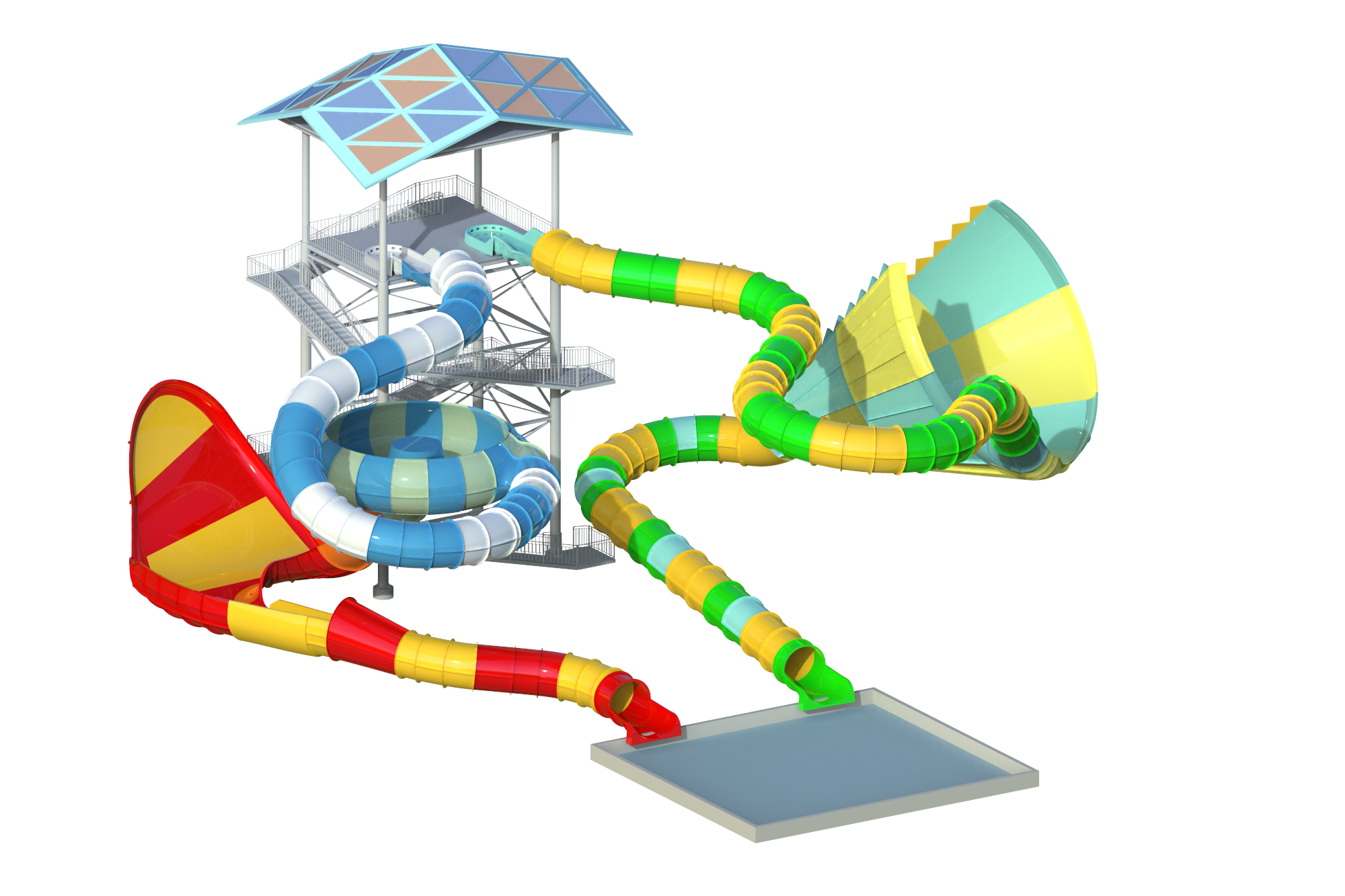
When you compare a pro-built park with a backyard setup, you see the difference small details make — the ride feel, maintenance ease, and long-term costs. Start here: a good supplier will show a working example like a water coaster ride to prove design intent and assembly quality, so you can judge engineering by what you can actually ride and inspect.
1 — Site and foundation integrity
Engineers must design for soil, seismic behaviour, and drainage. Check for geotechnical reports, clear anchoring details, and calculated structural load margins. Proper foundation work prevents differential settlement and protects pools and concrete slide footings — otherwise, cracks appear fast, lah.
2 — Material specification and corrosion control
Look for FRP composite details, UV-stabilized PVC piping, and stainless fasteners. Corrosion control plans — including coatings and cathodic protection where needed — separate a professional build from shortcuts. Materials list should state tensile strength or grade, no vague marketing words.
3 — Slide geometry and hydraulic design
Good rides report design flow rate, headloss calculations, and rider deceleration zones. Hydraulic testing and measured flow curves must match design — this is where top builders tune a ride’s speed and safety. A proper water slide coaster will have documented flow-rate validation tests before opening.
4 — Structural modelling and verification
Finite element checks or at least load-path diagrams should back major supports. Peer review notes or third-party structural sign-off increase trust. Professionals commit to a safety factor above code minimums — can’t cut corners on beams that carry dynamic rider loads.
5 — Fabrication quality control
Factory inspections, welding logs, and dimensional tolerance sheets matter. Sample testing for joint strength and finish control reduces on-site rework. Expect shop photos, non-destructive testing records, and traceable batch numbers for key components.
6 — Mechanical and pumping systems
Pump duty curves, redundancy planning, and energy profiling should be documented. Pumps sized only for peak demand without spare capacity trip often. A good build keeps service access, permits easy pump change-out, and defines maintenance intervals.
7 — Safety systems and access
Guardrails, non-slip finishes, lifeguard sightlines, and controlled queue geometries must be integrated into the engineering package. Emergency shut-off interlocks and access platforms for maintenance reduce response time — this is where design protects operations and guests.
8 — Installation and commissioning
Installation protocols and commissioning checklists define project success. Witness tests, measured vibration, and commissioning sign-offs show the park operates as intended. Operational training for technicians should be part of handover — otherwise you inherit risks.
9 — Documentation and lifecycle planning
Maintainable builds come with as-built drawings, spare-parts lists, and scheduled inspection protocols. Warranty terms tied to preventive maintenance schedules show the vendor’s confidence. Also ensure clear fatigue-life calculations for elements exposed to repetitive loads.
10 — Operational evidence and references
Real-world anchors matter: parks like Sunway Lagoon in Malaysia demonstrate complex rides working under heavy daily use — the operational record and customer feedback reveal durability and service quality. Ask for reference tours and verified uptime stats before you commit.
Operational production teardown
In an operational production teardown, the team should walk through assembly sequence, test protocols, and failure-mode checks. Include explicit test parameters — pump run-time at 75% duty for 72 hours, flange leak tests at 1.25× design pressure for 24 hours, and tensile testing on critical fasteners to specified kN values. Naturally embed {main_keyword} and {variation_keyword} into this teardown so procurement and engineering align on the same terms.
Common mistakes and quick comparisons
Many projects skip full commissioning or accept substitute materials to save cost; the result is shortened service life and unpredictable repairs. Compare vendors on three simple counts: documented test evidence, third-party verification, and on-site maintenance accessibility — these three reveal whether a proposal is cost-saving or cost-risking.
Advisory — Three golden rules for final selection
1) Prioritise documented proof: require witnessed hydraulic and structural tests before payment milestones. 2) Demand lifecycle plans: spare parts, inspection cycles, and clear maintenance training must be contract clauses. 3) Verify operational references: visit at least one running installation and check uptime and maintenance logs — if the vendor won’t show, tidak boleh trust fully.
Good engineering reduces headaches on day one and over the park’s life — and that’s why experienced operators choose partners who can prove it, like the teams behind many reliable water slide coaster installations. Dalang. –