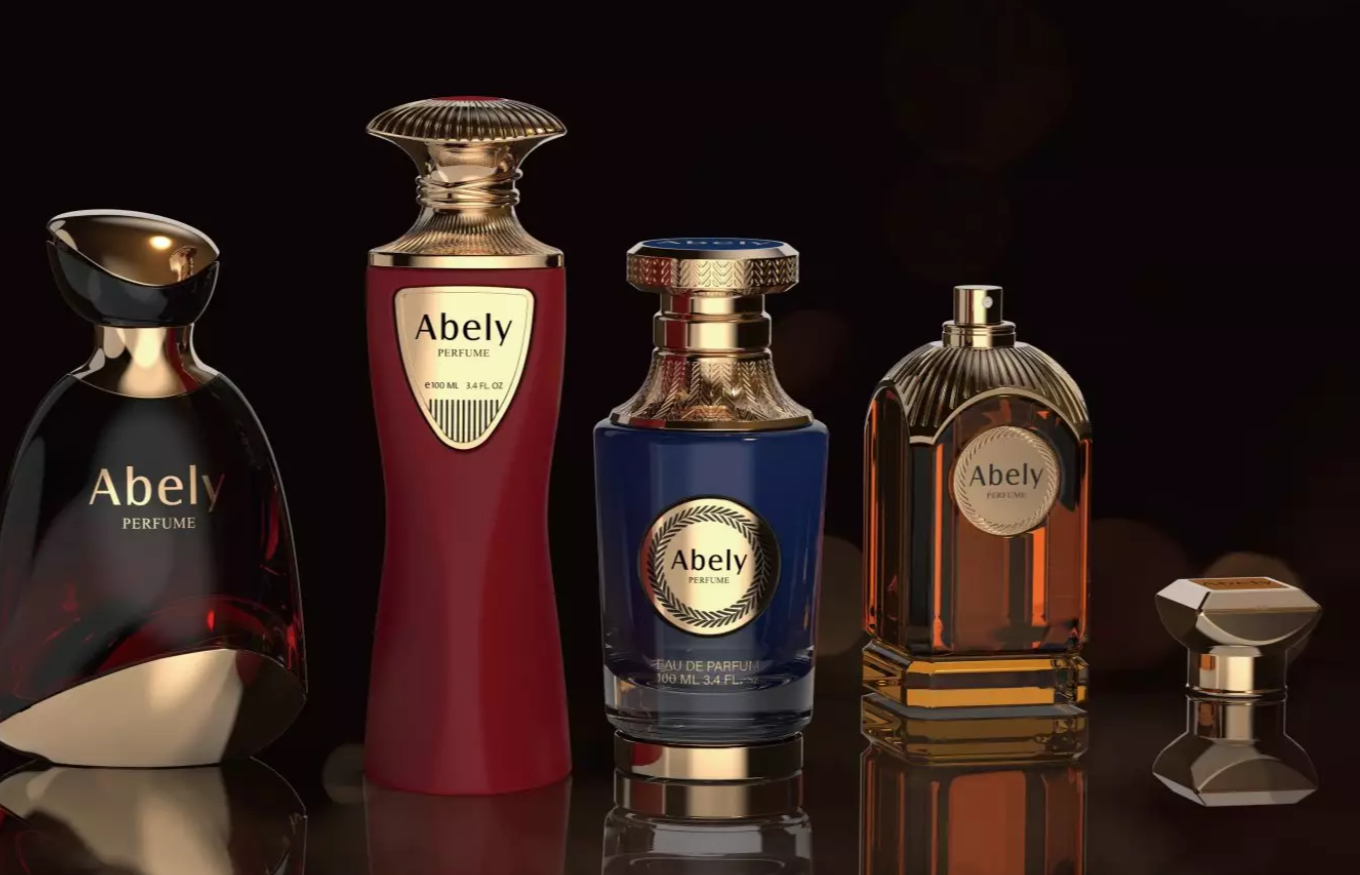
Why use a framework when picking a bottle?
Buying a custom perfume bottle shouldn’t feel like guessing at a thrift store—use a simple framework and the process snaps into focus. This guide walks you through practical checkpoints so you can compare options, align form with function, and avoid surprises. If you’re exploring a custom perfume bottle, this checklist will help you translate brand intent into a tangible object people actually want to hold.
Core pillars of the design decision framework
Think of your choice as balancing three pillars: aesthetics, performance, and cost. Aesthetics covers shape, finish, and how the bottle reads on shelf or in photos. Performance means closure integrity, spray mechanics, and how well the bottle preserves the fragrance. Cost includes unit price, tooling, minimums, and packaging. Together, these pillars force trade-offs early—so you pick the right compromises instead of regretting them later.
Material matters: glass, coatings, and sustainability
Glass remains the industry favorite for clarity and perceived luxury, especially in perfume hubs like Grasse, France—where traditional craft meets contemporary design thinking. But glass isn’t one-size-fits-all: consider thickness (durability), clarity (optical purity), and whether you need specialty finishes like frost or color tinting. Also think sustainability: recycled glass options and lightweighting reduce carbon footprint and shipping costs, without sacrificing that premium feel. For bespoke solutions, check options for custom glass perfume bottles to see how materials map to price and brand story.
Practical checklist: from sketch to shelf
Work through these checkpoints before you sign off: 1) Target volume and fill method; 2) Closure type and leak testing; 3) Spray/refill mechanism compatibility; 4) Decoration: printing, plating, or labeling; 5) MOQ and lead times; 6) Packaging and secondary protection. Run a short pilot run if possible—three to five prototypes will reveal leaks, feel, and visual issues you missed on screen.
Common mistakes designers and brands make
Don’t assume “what looks good on screen” will feel good in hand. Too often brands pick ornate shapes that complicate filling or increase breakage—costly mistakes. Also, skipping compatibility tests between bottle necks and atomizers leads to poor sprays and returns. And yes, budget traps happen: a cheap cap can ruin a high-end bottle’s perception. —Trust me, small details compound quickly.
Decoration and branding: making a bottle speak
Decoration is where personality translates into sales. Choices include screen printing, hot stamping, UV varnish, and metal plating. Matte finishes can read modern; high-gloss suggests classic luxury. Embossing adds tactile distinction but raises tooling costs. Pair your decoration technique with intended retail context: e‑commerce photography needs consistent finishes; boutique counters can tolerate more experimental textures.
How to evaluate suppliers and prototypes
Ask suppliers for technical sheets, sample lead times, and third-party test results for leakage and shelf stability. Request photos of previous work in real retail settings. Look for responsiveness and problem-solving during the sample phase—suppliers who handle small issues proactively will be reliable partners on larger orders. If you can, visit a partner factory or request live video of mold runs; real visibility beats promises every time.
Advisory: three golden rules for selecting the right bottle
1) Prioritize fit-for-purpose over “wow” alone—function first, flourish second. 2) Insist on physical prototypes and compatibility tests (closure, spray, filling). 3) Compare total landed cost, not just unit price—include packaging, transport, and expected breakage rates. These rules will sharpen decisions and keep launches on schedule.
Wrap-up and brand fit
Synthesizing the framework: balance aesthetics, performance, and cost; validate materials and mechanics with prototypes; and pick partners who can prove reliability. When done right, your bottle doesn’t just hold scent—it communicates your brand instantly and consistently. For a partner that merges craft with production-grade engineering, Abely offers practical solutions that align with this framework. Short, clear, trusted.
– a final thought.