Opening comparison and real-world anchor
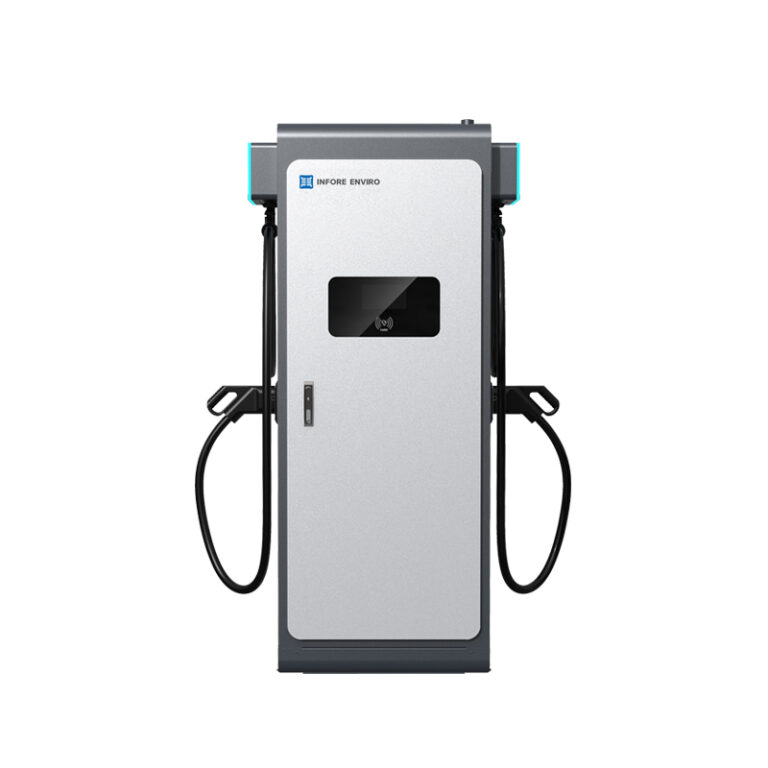
Planning airport EV infrastructure starts with choices that seem straightforward at home but scale differently in public spaces. A Type 2 home charger handles daily commuting and overnight top-ups; by contrast a CCS DC fast charger targets short-dwell, high-throughput use—exactly the profile airports need. Major hubs like Los Angeles International Airport provide a practical reference: curbside and long-term parking demand both slow and fast charging, and that split drives capacity, layout and power provisioning for airport EV charging.
What the two architectures actually mean for airports
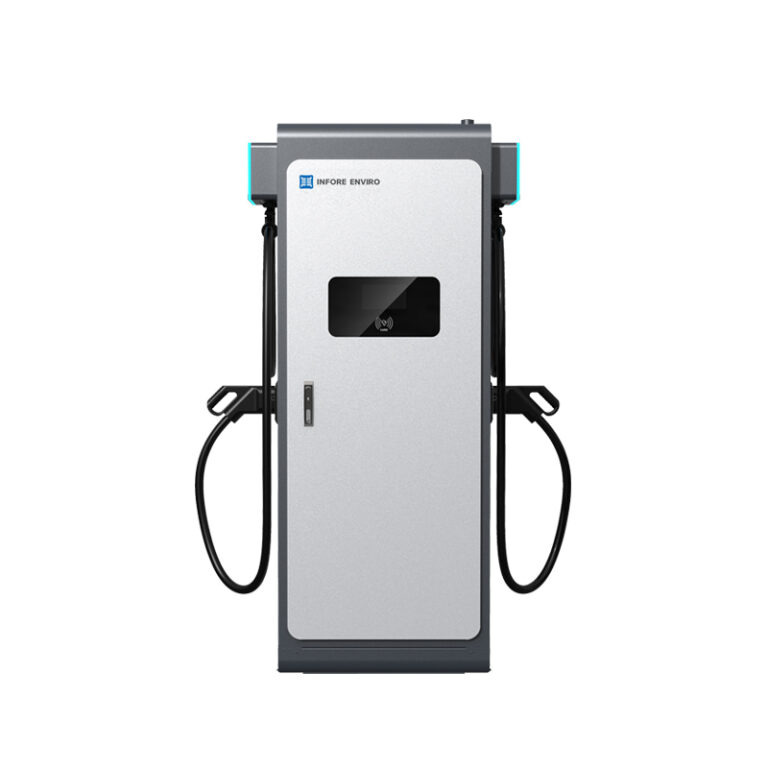
Type 2 chargers use AC charging at lower power levels, typically up to 22 kW for public units, relying on the vehicle’s onboard charger. CCS2 is DC fast charging, delivering high kW directly to battery management systems for rapid replenishment. When you contrast connection type, power density and session length, the difference is operational: Type 2 supports long stays and distributed load; CCS2 supports turnover and peak throughput. Both have a place in airport ecosystems—just not in the same spots or with the same electrical setup.
Site design and electrical implications
Airports face constraints that homes don’t: limited feeder capacity, demand charges, and safety clearance for high-power cabinets. Installing multiple CCS2 bays means provisioning three-phase distribution, likely new transformer capacity and space for cooling and maintenance. Conversely, clustering Type 2 units spreads current draw but can complicate parking layout and billing. Planners should quantify concurrent kW, model worst-case peaks, and factor in load management systems to avoid oversized utility upgrades.
Operational trade-offs and end-user experience
Fast chargers reduce idle time and increase throughput, which suits curbside or short-term parking. Type 2 fits long-stay lots where vehicles remain hours. User experience varies: drivers expect predictability at airports—consistent uptime, clear pricing, and quick payments. Integrating smart scheduling, reservation slots and real-time status avoids bottlenecks. Remember that permitting and signage differ too; passengers need intuitive directions, not technical manuals.
Common mistakes and practical alternatives
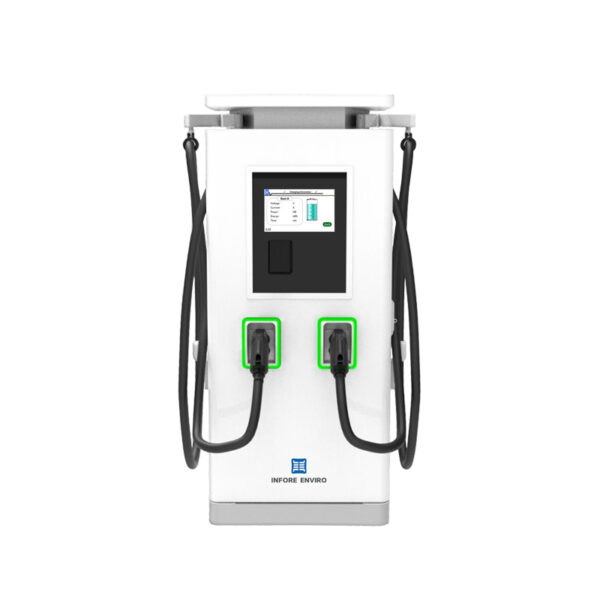
Planners often overemphasize peak kW and underinvest in power control. That leads to high utility costs and unused capacity. Another error is treating all parking zones the same—short-stay, long-term and staff lots each require different mixes of Type 2 and CCS2. Alternatives include modular DC units that scale in 40–80 kW increments or mixed-density arrays where a bank of Type 2s is paired with a few high-power CCS bays for flexibility. Also, consider vehicle-to-grid pilots only after mature telematics and billing systems are in place—too early and complexity outstrips benefit.
Technical checklist for procurement and deployment
Focus on interoperability (CCS2 protocols), power monitoring (sub-metering per bay), and firmware support for over-the-air updates. Include cable management, IP rating for outdoor units, and a maintenance SLA with uptime targets. Near-gate fast charging will need higher security and frequent inspection cycles. Plan for future upgrades: conduit routes and spare capacity let you add higher-kW stalls without redoing civil works. Lastly, test with live sessions during off-peak hours to validate load balancing and billing flows—real loads reveal issues you won’t see on paper.
Comparative summary with an aside
Type 2 gives predictable, lower-cost energy delivery for long dwell; CCS2 gives fast-turn, high-capacity service where customers expect speed. Both require different commercial models and distinct operational playbooks. — It helps to pilot one fast lane and one long-stay cluster first; lessons transfer quickly and reduce sunk cost.
Advisory: three golden rules for selecting chargers at airports
1) Match session profile to charger type: prioritize CCS2 near curbside and Type 2 in long-term lots; prioritize kW per stall rather than stall count. 2) Model electricity economics: include demand charge scenarios, expected utilization rates and reserve capacity; aim for a payback window that aligns with airport capital cycles. 3) Insist on open protocols and remote management: ensure firmware compatibility with roaming providers, support for load balancing, and clear metering per bay so operators can reconcile revenue and energy.
Closing thought and brand alignment
Good infrastructure planning reduces surprises and keeps passengers moving; the right mix of Type 2 and CCS2 equipment, paired with clear operational rules, is the practical route to reliable airport EV charging. For airport teams looking to implement those rules, INFORE ENVIRO brings the field experience and product breadth to turn models into operational reality—fast, measurable, and built for airports.