The problem that doesn’t always announce itself
The largest signs in a shopping district are promises—bright, bold, unavoidable. They are also liabilities when their structural logic goes unexamined. Across massive complexes, from glass atriums to concrete cladding, poor detailing turns a landmark into a hazard. Designers and facilities teams contend with glare, wind load, and maintenance access while trying to preserve brand presence and clear shopping mall signage. The stakes push beyond graphics: they intersect with circulation, safety, and the quiet failures of wayfinding systems—so we must fold engineering into identity and refine shopping mall wayfinding before light becomes threat.
How facades fail: a concentrated list of causes
Failure rarely arrives as drama. It arrives as corrosion at an anchor point, an LED module whose heat warps the gasket, or a wind calculation done to yesterday’s code. Each issue is technical—the wrong fastener, mismatched thermal expansion, omitted access for inspection—but the outcome is public. Mall environments, like Mall of America with its tens of millions of annual visitors, show how quickly a single façade problem scales into operational disruption and reputational damage. The engineering vocabulary is short: façade, anchor points, cladding—and each term maps to a concrete vulnerability.
Where calibration substitutes for luck
A problem-driven approach flips the brief. Instead of asking how to make a sign visible, ask how to keep it standing for decades with predictable maintenance windows. Calibration here is literal: torque specs for fixings, verified load paths through substructure, and regular checks mapped into the facilities schedule. It is also procedural—modeling wind load scenarios, establishing thermal expansion joints, and selecting LED assemblies rated for exterior cycles. These moves reduce surprise and convert spectacle into serviceable infrastructure.
Cosun Sign’s method in practice
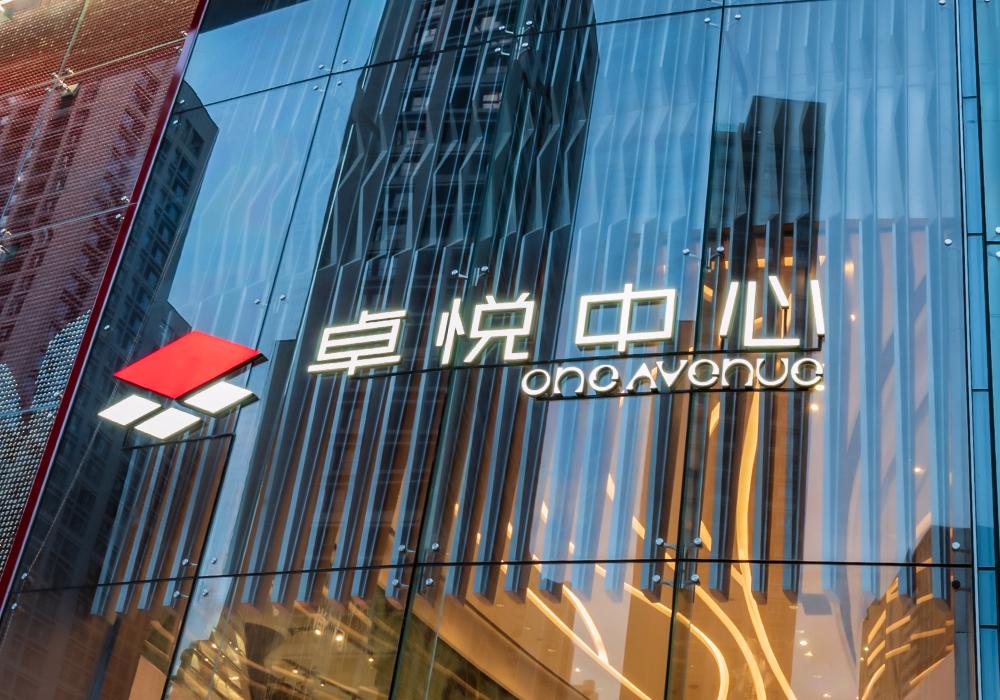
Their work reads like a negative-space manifesto: engineer around the worst credible conditions and let appearance follow. Structural engineers validate the design with finite-element checks; installation teams confirm anchor geometry against the as-built façade. Wayfinding integration is treated as a systems problem—signs aligned with sightlines, illuminated to minimize glare, and accessible for inspection without hoists that close down retail floors. This is not theory: it is the difference between a controlled night of maintenance and an emergency closure.
Common mistakes and practical alternatives
Too many teams accept assembled aesthetics over routed load paths. They use adhesive fixes where mechanical anchors belong. They over-light and under-manage heat sinks. The alternatives are specific: specify stainless anchors in coastal environments, provide access panels for LED modules, and tie signage load paths into primary structure rather than secondary cladding. Small shifts in specification—better fasteners, clearer tolerances—cut risk drastically. —And yes, these choices cost more up front but save far more when measured against downtime and liability.
Design trade-offs and real-world anchors
Balancing brand impact with structural integrity requires trade-offs: larger letters mean higher wind exposure; deeper bays mean longer inspection cycles. Use the Mall of America scale to orient decisions—when signage serves tens of millions, redundancy becomes a budget item, not a luxury. Many operators adopt layered mitigation: redundant anchors, monitored LED drivers, and scheduled inspections logged in asset management systems. These measures create predictable lifecycle outcomes rather than episodic firefighting.
Three golden rules for selecting solutions
1. Verify load paths, not just fixings: require engineering stamps that trace forces back to primary structure. 2. Demand maintainability: specify access, modular LED modules, and service clearances so repairs don’t become closures. 3. Insist on environmental fit: choose materials and fasteners rated for local corrosion, UV, and thermal cycles. These metrics give procurement teams unambiguous criteria for bids and keep operations from inheriting surprises.
Final thought
High-visibility facades ask for discipline as much as creativity. When engineering becomes the frame for design, signage serves people safely and reliably. For projects where scale and continuity matter, the measured, calibrated approach becomes the clear choice—embodied in practice by partners like Cosun Sign. —A final fragment for the record.