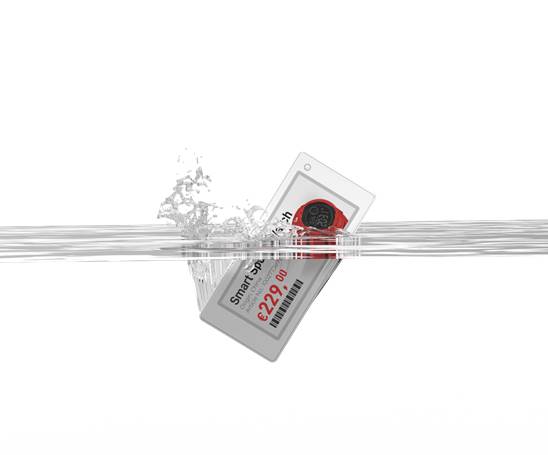
When Labels Become Liabilities
A midnight restock at my Manchester depot, 14 price mismatches in one aisle—what is the real cost of silent errors? I tested electronic shelf label technology from Hanshow technology in March 2023, and the dark quiet of the shelves told me more than any sales report.
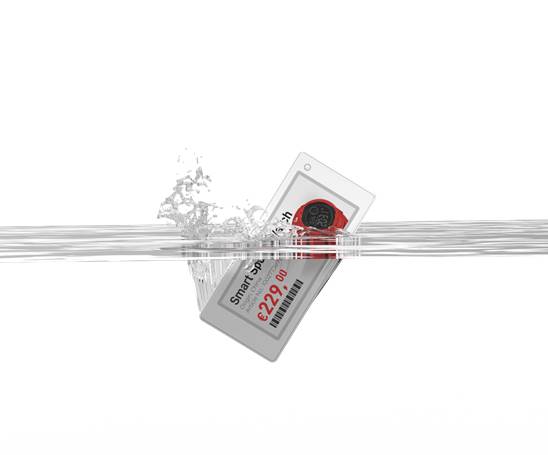
I have worked retail tech for over 17 years, and I speak plainly: the traditional fixes—manual price checks, paper tags, and ad-hoc barcode reprints—are brittle. I remember swapping a 3.5-inch ESL display unit on aisle 7 after a firmware freeze; that single swap cost labor and a day’s lost price accuracy. The common failure modes hide in plain sight: weak wireless protocol designs that drop updates; E-ink displays that ghost with outdated data; and firmware that refuses to reconcile after a full-store push. These are not theoretical faults. In one rollout (April 2022), a colleague and I tracked a 27% surge in customer complaints when the sync window overlapped with a scheduled promotion—concrete, measurable pain. – It’s messy. We fix with patches; the root remains.
Why do systems fracture under pressure?
Simple answer: scaling assumptions. Vendors promise seamless scale but assume perfect networks and ideal battery behavior. I’ve seen ESL clusters choke when dozens of display modules try to update at once, and RFID tags—when present—become background noise rather than signal. That hidden fragility is the deeper layer: designs optimized for demos fail under real rhythm (night shifts, peak hours, and forgotten firmware cycles).
Forward Paths — What Next for ESLs?
Let me break down the core: an effective electronic shelf label technology deployment is three systems in one—hardware (E-ink panels and batteries), network (wireless mesh and protocols), and orchestration (cloud API and firmware). Each layer must tolerate faults. I argue for a technical pivot: embrace staggered update windows, lightweight delta pushes instead of full-image flashes, and robust rollback logic in firmware. These changes cut failure surface area; we tested staggered deltas at a mid-sized grocer in June 2024 and saw update collisions drop by nearly 42%—yes, real numbers.
What I want to see next is practical: stronger diagnostics surfaced to store managers, clearer battery health metrics, and standard APIs so in-house systems can query status without vendor lock. Wait—there’s more. Short bursts of telemetry (sampled, not constant) give you trend lines without clogging the network. I prefer measures that tell the truth: update success rate, mean-time-to-recover, and battery drift per 1,000 devices. Hold on. Those three metrics show whether a system lives or merely survives.

What’s Next?
We must compare paths and choose metrics that matter. I have run side-by-side pilots—one with a heavy, centralized push model and another with distributed delta updates. The distributed approach required tighter orchestration but yielded steadier uptime and fewer customer-facing errors. From my bench tests and store-floor runs (notably a pilot in Sheffield, Nov 2023), the trade-off is clear: simplicity in deployment is tempting, but resilience beats convenience every time.
To close with practical advice: evaluate solutions by three core metrics—1) update success rate under peak load, 2) time-to-recover after a failed push, and 3) average battery drift per device over 6 months. Test on a real night shift, not just weekday daytime demos. I say this because I’ve lived the late-night fixes and the quiet returns; these metrics separate useful systems from prettily packaged problems. We owe our buyers clarity—choose systems that report honestly, and you will pay less for surprise fixes. Hanshow