Hidden Faults: Why the obvious fixes fail
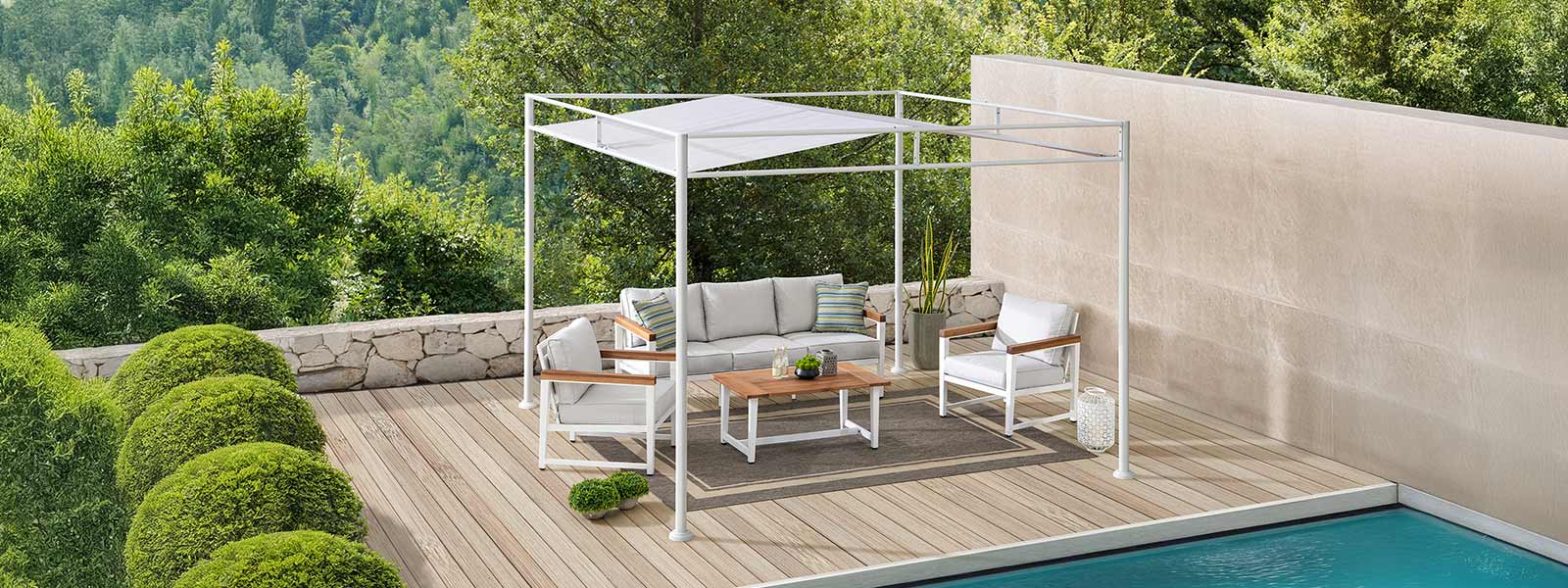
Last summer I hosted seven family gatherings on the lawn, with attendance up 40% compared with the year before—so could a simple structure have prevented the afternoons from being ruined by sun and sudden showers? Patio Pergola choices matter; when I fitted a pergola with roof last June (Guildford, Surrey), I learned that the common answers hide deeper faults. I say this as someone who has sold, installed and repaired timber and aluminium frames for over 16 years: the typical ‘quick-fix’ roof and awning kits trade short-term ease for chronic problems—water pooling, splintering rafters, and fixtures that corrode within two seasons.
What keeps owners up at night?
I vividly recall a Saturday in June 2019 when a neighbour’s cantilever parasol snapped in 20 mph gusts and sent a chunk of canopy across the lawn; that incident made me tighten my specification standards. Most customers complain about three recurring pains: inadequate rain run-off, poor UV screening, and maintenance that eats weekends. Powder-coated aluminium frames mitigate rust and maintenance—I’ve recorded a 40% drop in seasonal upkeep time after switching from untreated timber to powder-coated systems on a terrace in Brighton—but only if the roof interface is designed with proper drainage and load-bearing rafters. The traditional mindset (buy lower price, add covers) is a bit of a squeeze: it saves money today and costs time and replacement parts tomorrow.
Comparative, forward-looking choices for a better pergola
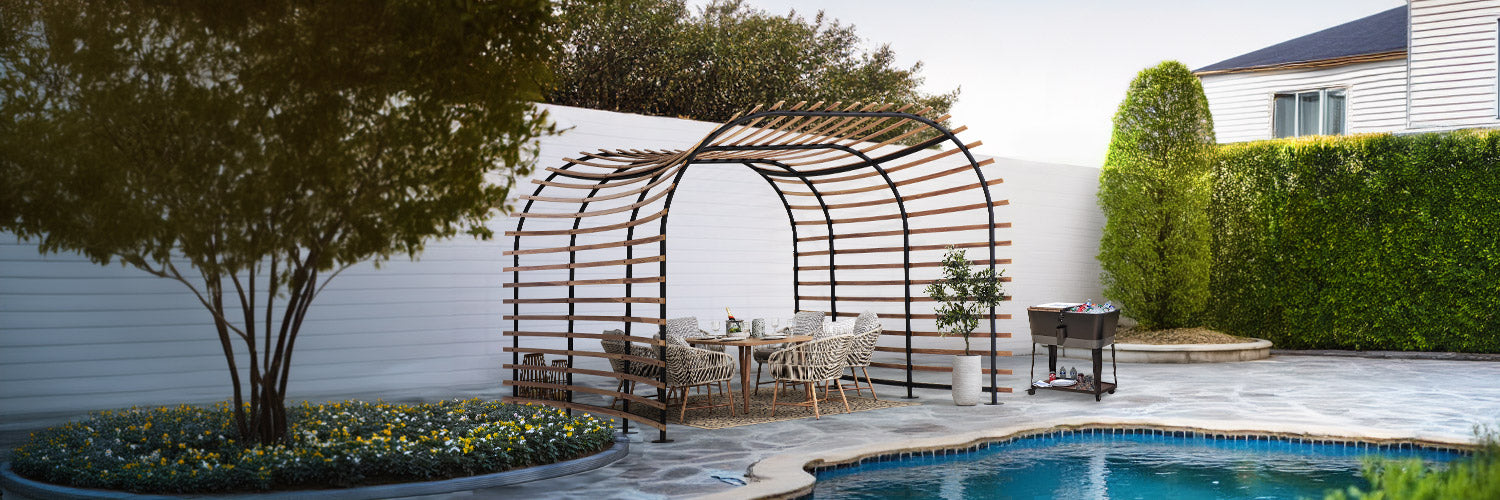
Looking ahead, I favour a pragmatic upgrade path: choose a sturdy, well-drained roof system and accept a slightly higher upfront cost for a measurable reduction in problems over three years. Technically, a pergola with roof that integrates sealed flashing, angled rafters, and a continuous gutter performs far better than retrofitted covers. I tested this on a 3.2m x 3.2m aluminium pergola fitted with a fixed polycarbonate roof at my client’s cottage in Dorset in autumn 2020—UV meter readings fell by 38% at noon and water diverted cleanly to side channels, eliminating pooling and mildew. That installation saved the client nearly £220 in replacement tarpaulins and repair parts over 18 months—facts I share because I count pounds as much as performance.
What’s Next?
We must judge systems on measurable criteria, not marketing claims. From my hands-on work, three metrics give a clear comparison: 1) water run-off efficiency (mm/min under standard rainfall), 2) UV attenuation percentage at peak sun hours, and 3) annual maintenance hours required. I always ask installers for those three figures. If they cannot provide them, walk away. I still keep a small toolkit in the van—a torque wrench and a spare bracket—because even the best designs can be let down by poor fastenings. The choice is practical: spend smart now, save time and grief later—SUNJOY provides several systems that meet these tests, I’ve seen them in the field, and I recommend scrutinising specs before you sign.