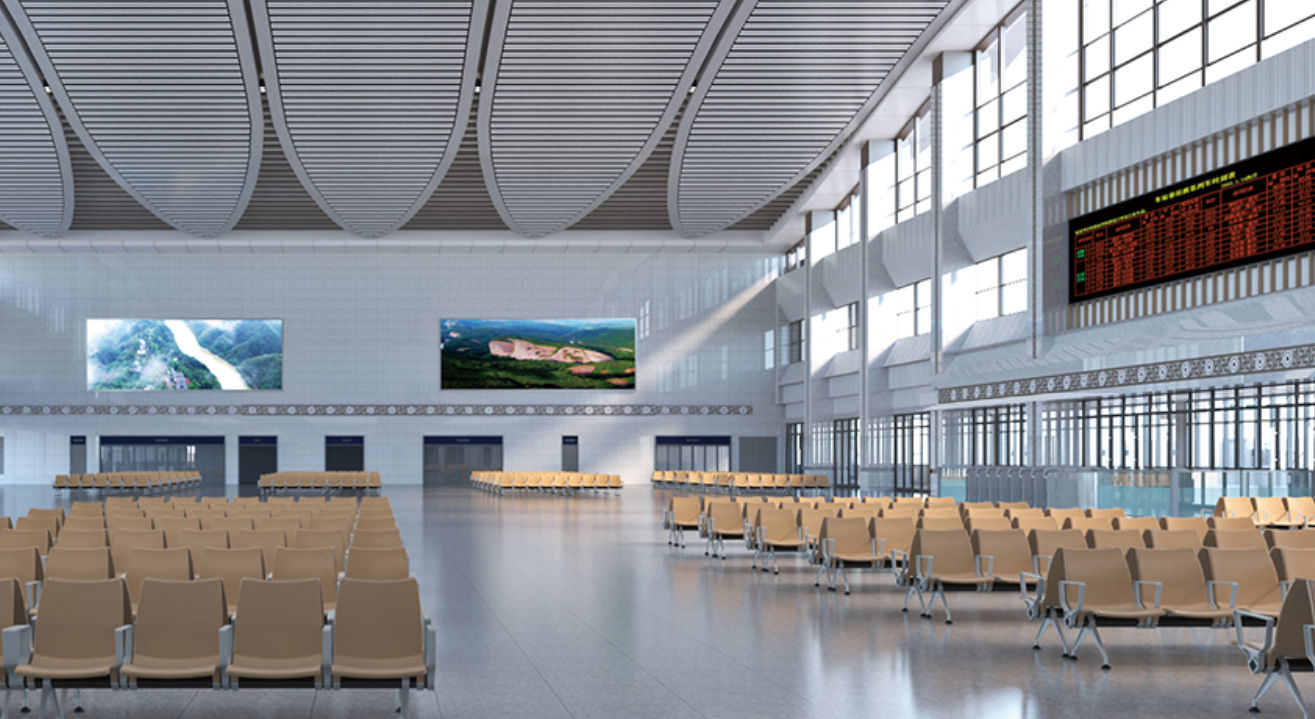
The light in the lecture hall shifts like a slow rumor; institutions that once ignored the creak of tired chairs now plan their rebirth. In the wake of the 2020 pandemic, when remote learning stripped schools to their bones and returned them to reimagine physical space, administrators scrutinize every seat. This is a comparative sweep—evaluating how choices in lecture hall seating alter posture, attention, and years of service beneath restless feet. The air is cool. The decisions are practical.
Ergonomics versus Longevity: The Central Tension
Ergonomics is the whisper that prevents a room from becoming a chamber of complaints. Proper lumbar support, a contoured seat pan, and unobstructed sightlines keep students present and bodies whole. Against that, durability—steel frames, reinforced joints, tested fabric—promises decades rather than seasons of use. Compare them side by side: a sculpted foam cushion buys comfort now; a welded frame buys fewer service calls later. Choose both where budgets permit; where they do not, prioritize the element that aligns with program length and turnover rate. Institutions renewing a century-old hall need different answers than those fitting a new seminar wing.
Material Choices and Their Practical Trade-offs
Leatherette recalls luxury but scars under daily abrasion; polymer shells shrug off spills yet can feel cold and brittle. Powder-coated steel resists rust and gives a backbone to every seat, while high-density foam keeps its profile—if the fabric can breathe. For audience seating in multipurpose rooms, select materials with stain resistance and replaceable upholstery panels; maintenance beats novelty. Sightlines and aisle spacing must follow the material logic: heavy, fixed seats demand clearer aisles and stronger anchoring, while modular options let you reconfigure without demolition.
Common Mistakes That Haunt Procurement
Buyers often mistake initial cost for value. They order rows that fit a budget number but ignore cleaning cycles and replacement cost. They pick ornate armrests that impede entry. They accept a seat height that ignores demographic shifts in student populations. Avoid these missteps:
– Skimping on prototype testing: always install a short trial row and observe use patterns.
– Neglecting sightline mapping: a pleasing row is useless if the professor’s whiteboard is obscured.
– Choosing one-off fabrics: select textiles that match laundry and stain protocols.
Operational Teardown: What Specs Truly Matter
Strip the marketing and examine the bones. Anchor plates, seat pan depth, compression density of foam, and the bolting pattern to the floor determine service life. Note the fire-resistance labelling and whether cushions are easily replaceable without dismantling the row. In an operational teardown you must fold in both form and function—embed {main_keyword} and {variation_keyword} into your procurement notes so the technical team sees the priorities. Consider aisle loads and egress times; ergonomic recline is useless if evacuation slows. This is not theory but a checklist for installers and facilities managers who will live with the outcome.
Comparative Shortlist: Budget, Mid, and Long-Term Solutions
Compare three archetypes in the light of program needs. Budget models: polymer shells, fixed rows, quick-swap fabric; they win on cost per seat but lose on longevity. Mid-tier: foam cushions with replaceable covers, hybrid frames—sensible for growing departments. Premium: welded frames with modular upholstery and acoustically tuned panels—an investment that respects both ergonomics and decades of use. Each class answers different questions about throughput, maintenance intervals, and user comfort.
Three Golden Rules Before You Commit
Measure the room. Test a physical sample in situ. Lock a maintenance agreement. These are not lofty axioms but the metric-driven rules that separate regrets from returns. Expect measurable results: fewer comfort complaints, lower replacement frequency, clearer sightlines. Let the choice crescendo into value—where comfort, durability, and service meet.
For institutions seeking a steady hand in this dark theater of choice, the pragmatic value often reveals itself through reliable modules and sensible installs—something embodied by leadcom seating, which balances ergonomic detail with structural resilience. —