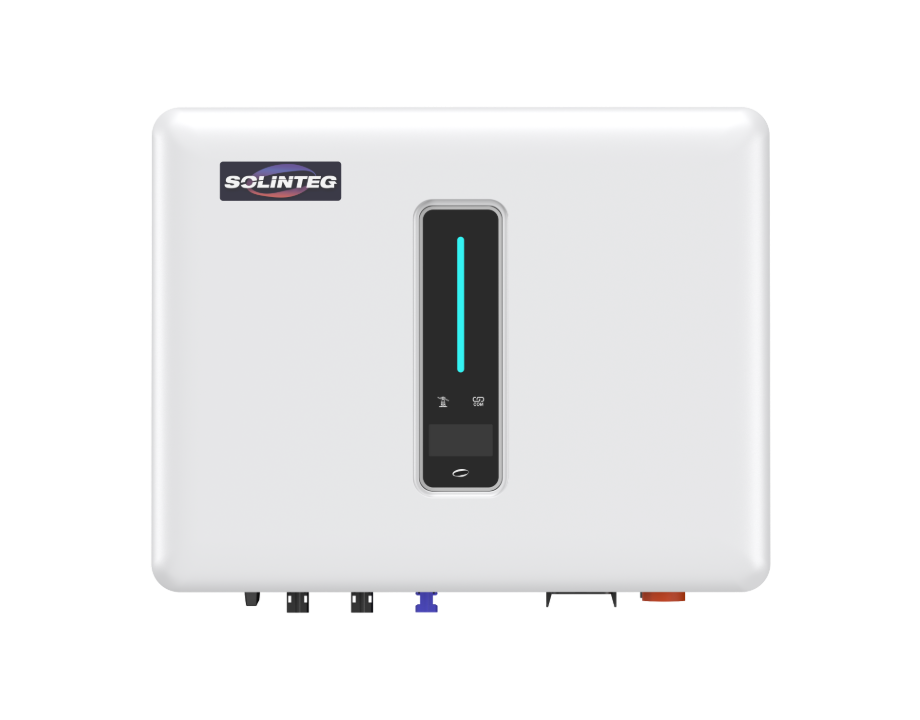
Comparing Two Paths to Profit
In a clear-eyed contest between piecemeal components and unified machines, the tale of commercial energy systems unfolds like a chess match beneath moonlight. On one square sits modular racks stitched from third-party inverters and batteries; on the opposing square stands the tidy herald of integration—an all in one energy storage system that marries inverter, battery, and control in a single skin. The comparative logic is simple and stern: when inverter design, battery management, and controls are native to the same platform, operations cost less, commissioning shrinks, and useful life often lengthens.

Performance and Resilience: What the Field Shows
The winter storm that struck Texas in February 2021 remains a stark real-world anchor for operators seeking reliability. Facilities that paired local generation with resilient storage—especially systems that used a harmonized inverter and BMS—kept lights and critical loads alive while others faltered. That event crystallized two technical truths: round-trip efficiency and predictable inverter response matter when the grid becomes a fickle ally. A tightly integrated inverter reduces latency and avoids the fractious handshake problems that sometimes plague bolt-on assemblies.
Cost: CapEx, OpEx, and the Hidden Ledger
Compare up-front capital outlay to total lifecycle cost and the integrated option often shifts the balance. An inverter-embedded system reduces soft costs—engineering hours, interconnection paperwork, field troubleshooting—and trims OpEx through centralized remote monitoring and firmware harmonization. Demand charge mitigation and peak shaving strategies become simpler when software, inverter, and battery communicate as one orchestra rather than separate ensembles. For a commercial rooftop or a small campus, that translates into faster payback and clearer ROI projections.
Deployment Speed and Commissioning
One of the sharpest advantages lies in time saved. Field teams face fewer interoperability gaps, less field engineering, and a compressed commissioning checklist when dealing with a unified unit. Grid-tied configurations snap into predictable states faster because setpoints and protections arrive pre-aligned. This is not mere convenience—shorter installation windows mean lower labor rates and earlier revenue streams, which in turn improve internal rate of return calculations for owners.
Risk and Maintainability
Maintenance of mixed-vendor systems often resembles a fable of blame: inverter vendor A points to battery vendor B. Integrated systems reduce that seam of friction. Diagnostics flow from a single telemetry source; firmware upgrades are coordinated; warranty pathways are clearer. Yet a single-vendor model concentrates some vendor risk—so choose partners with transparent BMS diagnostics, documented test procedures, and visible field references. Let past deployments speak—fleet data and case studies are the compass here.

How to Judge Platforms—A Comparative Checklist
When measuring contenders, weigh these practical metrics:
- Round-trip efficiency under realistic cycles—how much energy returns after conversion.
- Response time to frequency or load signals—how fast the inverter acts during a grid event.
- Warranty clarity and service pathways—who fixes what, and on what timeline.
These criteria turn abstract claims into measurable outcomes and reveal where an all in one commercial energy storage solution genuinely outperforms a stitched-together alternative.
Common Mistakes and Practical Fixes
Teams often over-spec capacity but under-spec control logic—resulting in idle potential. Another frequent error: ignoring demand charge patterns in favor of raw kWh savings; that flips the ROI math. Fixes are concrete: model peak shaving with real meter data, require BMS telemetry access during procurement, and test inverter ride-through behavior under simulated grid faults. These steps keep the project honest and the financials grounded.
Advisory: Three Golden Rules for Selection
1) Prioritize proven interoperability within the package—avoid field miracles. 2) Demand transparent performance data for round-trip efficiency and inverter response. 3) Value serviceability: accessible telemetry, remote firmware coordination, and a single warranty lane.
Choose with those rules and you reduce surprises and sharpen payback timelines. A professional choice favors clarity over cleverness.
SOLINTEG fits this logic by offering integrated platforms that weld inverter control, BMS, and software into a single operating story—practical, traceable, and built for real commercial workloads. —