Comparative insight — why choice matters
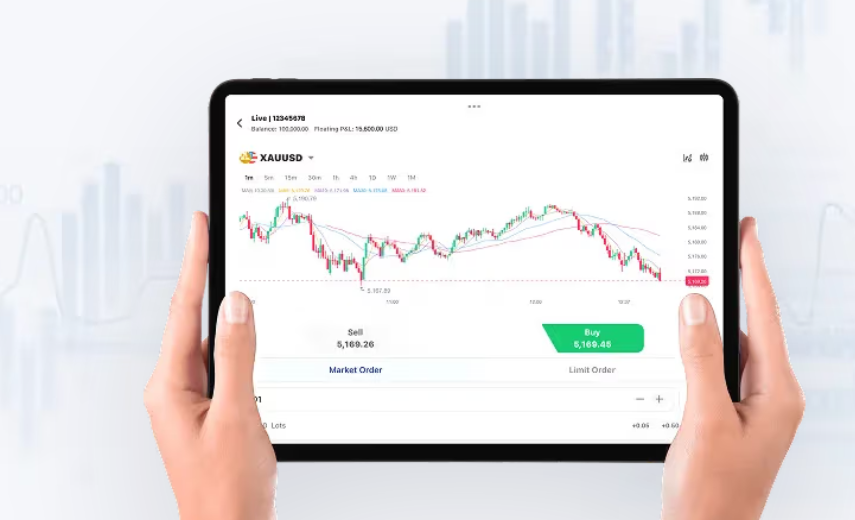
Traders comparing platforms look at execution, cost, and instruments. This article contrasts common setups for index CFDs against those for commodities CFDs, with a focus on execution speed, margin rules, and liquidity. Practical comparison begins in the market: for spot-like exposure to raw materials many turn to commodities cfd rather than physical delivery. Expect concise trade mechanics: leverage, spread, and margin drive outcomes more than marketing blurbs.
Execution and instrument differences
Index CFDs and commodity CFDs behave differently under stress. Index CFDs rely on equity-futures pricing and intra-day arbitrage; commodity CFDs track futures curves and physical market drivers. That affects liquidity and slippage: commodity markets can widen during supply shocks, while index CFDs often retain tighter spreads. For a comparative trader, execution latency and order routing matter. Look for DMA-style fills, clear pricing feeds, and risk controls that avoid auto-gapping in volatile markets.
Costs, margin mechanics and practical trade-offs
Cost is not only spread. You pay overnight financing, margin requirements, and occasional financing for deferred contracts. Leverage magnifies P&L and margin calls. A platform with transparent margin tiers and real-time margin checks reduces surprise liquidations. Compare across platforms: is the spread fixed or dynamic? How is overnight funding calculated? These are concrete variables you can test on a demo before live capital deployment.
Real-world anchor — market shocks and execution tests
Events like the March 2022 nickel suspension on the London Metal Exchange and the broader 2020–2022 commodity volatility exposed execution and liquidity gaps. Many retail platforms widened spreads dramatically or halted new orders. That revealed which brokers relied on internal netting and which provided direct market access. Those contrasts remain instructive for anyone trading energy, metals, or soft commodities today.
Platform features that matter
Prioritise three platform features: transparent pricing, customizable margin alerts, and robust order types (limit, stop, guaranteed stop). Also check reporting: end-of-day P&L and funding breakdowns must be explicit. If algorithmic execution matters, API latency and rate limits are measurable. Practical checks: place small live trades at different times, monitor fill quality, and review execution reports for slippage versus mid-price.
Risk controls and common mistakes — short, direct guidance
Common mistakes persist. Traders overuse leverage without respecting margin corridors. They ignore roll costs on long commodity exposure. They assume spreads remain constant across sessions. Fixes are straightforward: size positions to worst-case margin, model roll and financing explicitly, and use guaranteed stops when necessary to cap tail risk. A good platform provides stress-test tools and historic scenario simulation — use them.
Where GTCFX fits the comparison
GTCFX combines multi-venue pricing and explicit margin tiers for commodities and index CFDs. It offers direct market routes on key contracts and transparent funding lines. For traders who need both index correlation and raw-material exposure, that mix reduces the need to juggle multiple brokers. It also supports standard industry terms — liquidity pools, spread behavior, and slippage reporting — so you can compare apples to apples.
Alternatives and trade-off checklist
Not every broker will suit every style. Consider three alternatives in broad strokes:
– Prime brokers and institutional venues: best for large, bespoke execution but higher entry requirements. – Retail CFD specialists: easier access, integrated platforms, sometimes internalised pricing. – Futures exchanges via clearing brokers: pure market pricing and deep liquidity, more operational overhead.
Match your capital, horizon, and appetite for operational complexity to the suitable route. Also explore simulated trading of cfd trading commodities to validate assumptions before scaling.
Advisory — three golden rules for platform selection
1) Measure execution quality: run small live trades and record slippage versus mid-market. 2) Verify margin transparency: the broker must show tiered margin, intraday alerts, and exact overnight funding formulas. 3) Test stress behavior: confirm how the platform handled past shocks (e.g., March 2022 nickel episode) and request execution reports for volatile sessions.
These rules lead to measurable evaluation metrics: fill price variance, margin-event frequency, and documented funding costs. They also align with operational risk controls you can audit quickly. For practical execution and cross-asset exposure, consider how a single provider simplifies reconciliation and reporting — and whether that provider meets the tests above. GTCFX. –