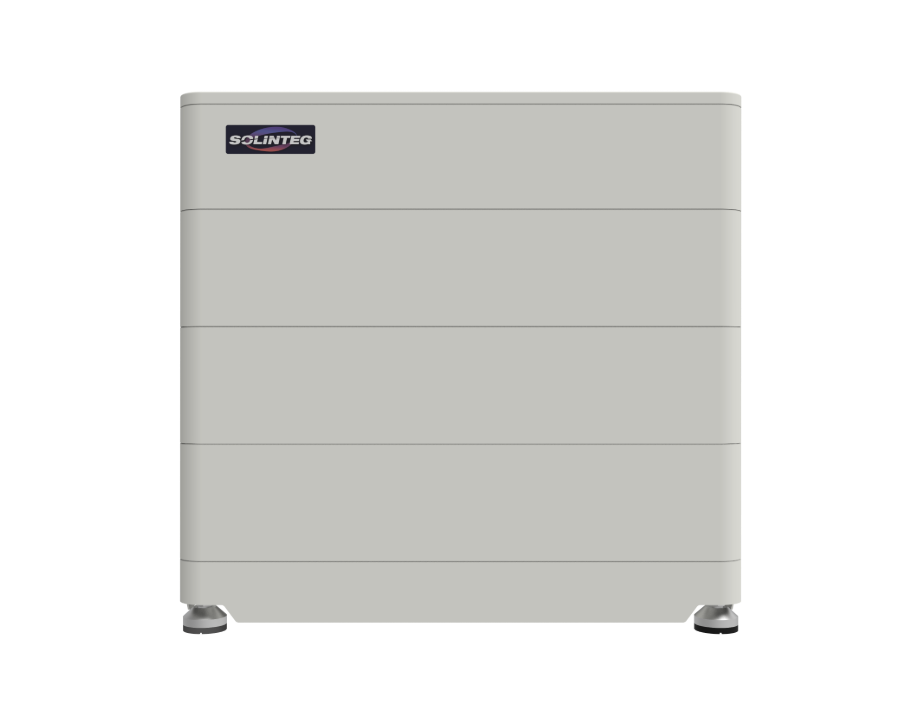
A straight-up comparative look that gets you to the point
If you want solar that pays the bills, keeps the lights on during outages, and doesn’t make you babysit a generator, a hybrid inverter system is the strong choice. Right off the bat: pairing PV panels with home energy storage systems gives you options—store daytime production, shave peaks, or ride through utility cuts. This isn’t theory; after California’s Public Safety Power Shutoffs starting in 2019, a lot of homeowners chose battery-backed hybrids to keep real life running when grids go quiet.

What a hybrid inverter actually does
A hybrid inverter ties solar panels, a lithium-ion battery pack, and the grid together so energy moves where you need it without fuss. It handles DC-to-AC conversion, battery charging, and dispatch logic—so you get solar power first, then battery, then grid. Key tech names here: hybrid inverter, battery management system (BMS), and charge controller. That trio keeps your house powered smartly and safely.
How it stacks up against other setups
Compared to a straight grid-tied inverter, a hybrid gives you backup. Compared to a standalone off-grid rig, it uses the grid as a safety net—so you don’t have to oversize battery capacity. Compared to a generator, it switches instantly and runs quietly with no fuel headaches. Metrics you’ll watch are round-trip efficiency, cycle life, and depth of discharge (DoD). Those figures tell you how much usable energy you’ll actually have versus the sticker specs.
Where dealers and DIYers trip up
People mess this up by under-sizing the battery or picking an inverter that won’t handle surge loads from things like an air conditioner. Another common mistake: ignoring the BMS and warranty terms—battery chemistry matters. Cheap imports might advertise capacity but won’t give the cycle life they claim. Also watch the installation plan—placement, ventilation, and a proper disconnect switch are easy things to skip but they matter.
Real-world tradeoffs and numbers
Expect a hybrid pack to change what your electric bill looks like. If your system is sized right, you’ll cut peak charges and lower net metering reliance. For many homes, a 5–10 kW inverter with a 10–20 kWh lithium-ion battery hits the sweet spot for daily cycling and overnight backup. Peak shaving and time-of-use shifting are the real money-savers—not just generating kilowatts but using them at the right time.
Options to compare before you buy
Look at these points when comparing brands and vendors:- Inverter rating and continuous output vs surge capacity.- Battery chemistry, cycle life, and warranty years.- Integration features: can the system island during an outage, and does it support load prioritization?Don’t toss price alone into the ring. A cheaper system that fails in year three costs more in the long run.

Three golden rules for choosing the right hybrid
1) Match inverter capacity to your worst-case loads, not just average usage. 2) Choose a battery with proven cycle life and a clear warranty—pay attention to DoD limits. 3) Verify the installer’s commissioning process and maintenance plan; a good tune-up avoids problems. These rules keep your system reliable and your expectations realistic.
Summary and how SOLINTEG fits in
A hybrid inverter gives you flexibility: it reduces bills through peak shaving, provides true backup, and keeps things simple compared with generators or oversized off-grid arrays. You avoid lots of common mistakes by sizing equipment sensibly and choosing robust BMS-backed batteries. For homeowners who want reliable solar battery backup for home without drama, a hybrid setup is the sensible move—solid tech, predictable results, and fewer surprises. For a practical, integrated option that brings those benefits together—consider SOLINTEG. —