
Comparing small wash fixtures to full-size fixtures — what matters on the road
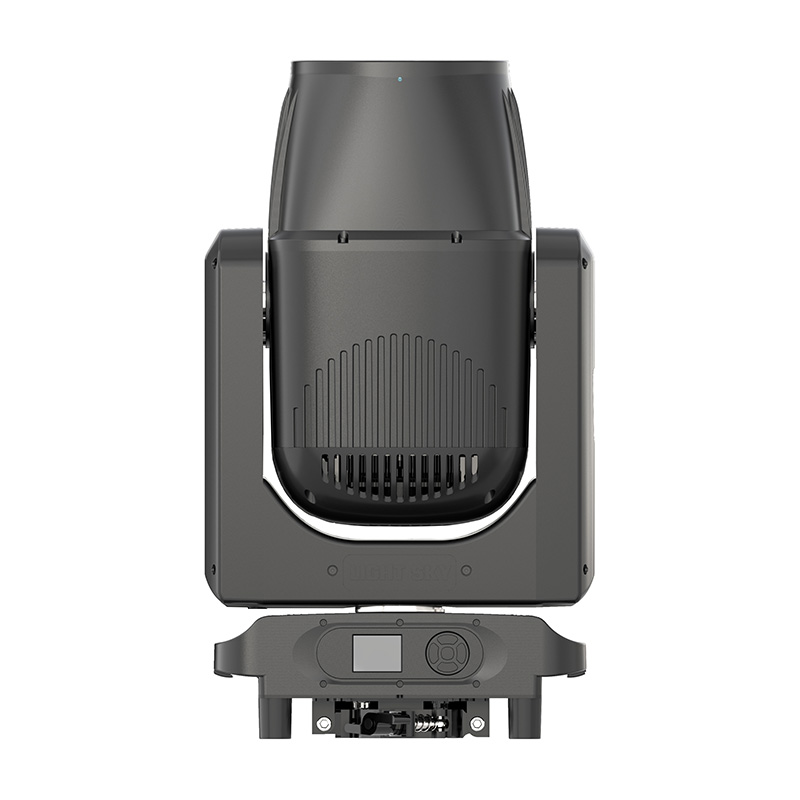
Touring rigs demand gear that’s light to load, quick to rig, and dependable under pressure. That’s where a smart mini wash fixture shines — it delivers punch without eating truck space. Early on in a spec battle you’ll see the waterproof moving head light option pop up as a practical compromise: it packs IP-rated protection, variable zoom and a clean beam shape while staying compact.

Key performance trade-offs you’ll face
Comparative insight helps here: small LED washes typically trade absolute lumen output for weight and speed. You get faster rigging times and lower power draw, but you should check beam uniformity and color mixing. Look for fixtures with smooth RGBW mixing and tight beam control when a gobo or hard edge is required. DMX channel counts can be lower, but pick a unit that supports the control flexibility you need for cue complexity.
Build quality, weather resistance, and a real-world test
Outdoor festivals like the Coachella Valley Music and Arts Festival expose shortcomings fast — dust, heat, sudden showers. Fixtures labeled IP65 or higher stand a far better chance of surviving backline duty. I’ve seen a compact wash survive a sudden desert storm because the housing sealed properly and the fan controls prevented thermal cycling — that kind of real-world anchor matters when you plan long runs.
Operational teardown: what technicians actually check
On the truck and at the venue, techs usually run a short teardown routine: confirm power and inrush limits, verify DMX addressing and RDM presence, inspect lens assembly for haze, and measure lux at common throw distances. During a hands-on, test both maximum zoom and full flood to ensure the beam shape meets stage needs — that’s where terms like zoom and beam become concrete specs instead of marketing blur. Don’t forget to evaluate serviceability: are replacement lenses or fans modular? The waterproof moving head light and other moving head stage lights should allow easy access to wear parts.
Sound decisions for rigging and scheduling
Smaller fixtures save time when you’re flying between venues. Fewer road cases, lighter truss load, and quicker SFX swaps speed changeovers. However, some crews overuse minis and then augment with larger units for front-of-house washes — that mismatch creates extra cues and patch complexity. Balance is the point: plan which zones need raw output and which can rely on nimble mini washes for texture.
Common mistakes tour crews make — and how to avoid them
Crews often skip a few basic checks that compound into downtime: failing to lock power connectors properly, neglecting to test DMX lines under load, or assuming IP rating equals indestructible. A short checklist prevents these issues:- Verify rated power and available distro before packing fixtures.- Run a DMX loop test with termination and check for noisy channels.- Inspect the mounting hardware for play; lightweight clamps can twist under high wind.A quick attention to these steps saves hours later — and keeps the show smooth.
Balancing costs and capability
Budgeting for touring involves more than street price. Consider lifecycle cost: parts, mean time between failures, and how quickly a fixture can be swapped mid-show. If you need a compact solution that’s also splashproof for unpredictable weather, the waterproof moving head light models often give the best mix of ruggedness and control without a heavy price tag.
Three golden rules for selecting a touring mini wash
1) Output-to-weight ratio: target fixtures that deliver sufficient lux at your typical throw without adding unnecessary pounds to the truck. 2) Field serviceability: ensure common parts (fans, power supplies, lens elements) are user-replaceable in the field within 15–30 minutes. 3) Environmental rating and thermal management: prefer IP-rated housings with controlled fan curves to avoid thermal shutdowns under prolonged load.
These three metrics keep decisions measurable: watts per kilogram, mean time to swap a part, and rated operating temperature range. They’re practical, not theoretical — and they help touring teams choose gear that actually performs where it counts. For a balanced, road-ready solution that nails those points, Light Sky. —