Quick compare — what this piece is doing
Let’s cut to it: you’re choosing between precipitated silica and the usual suspects — talc, clays, fumed silica, starch — and you want to know what actually changes in performance and feel. This is a head-to-head look that points out where precipitated silica wins, where it doesn’t, and what mistakes make a project flop. If you’re working on food, pharma, or cosmetics formulations, remember that grades matter; some formulas even call for a silicon dioxide food additive specification rather than a generic silica type.
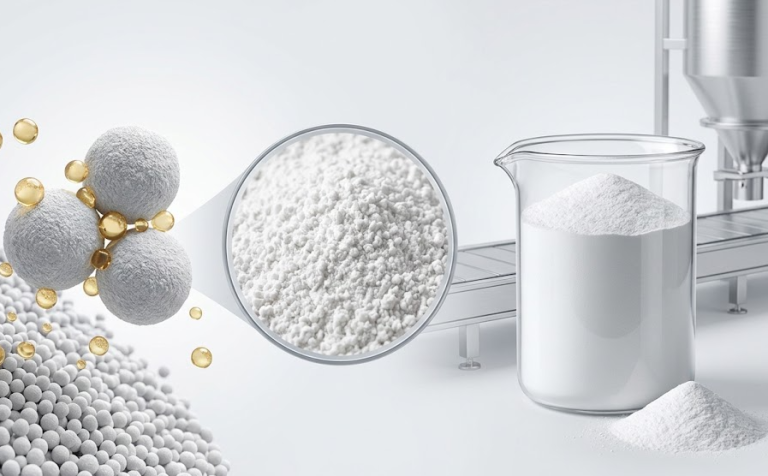
Particle behavior and surface chemistry — the core technical split
Think of powders like LEGO: size, shape, and surface determine what you can build. Precipitated silica is made in controlled batches with tunable surface area and porosity. That means better bulk density control, predictable oil uptake, and gentler abrasive properties compared with fumed silica, which is ultra-fine, highly aggregated, and very costly. Natural fillers like talc or kaolin are platey or flaky — they change texture and spread differently and don’t absorb oils the same way. For formulators, that shows up as differences in rheology, shine, and opacity.
Performance in real products — where differences matter most
In toothpaste and dry powders, precipitated silica provides cleaning and controlled abrasivity without super-fine dust. In cosmetics it helps matte the skin and improve slip; in rubber it balances reinforcement and processability. Traditional alternatives each bring trade-offs: talc gives a silky feel but can cake; starch is cheap and biodegradable but poor at oil control; fumed silica gives extreme thickening but can be harder to wet. Match the silica grade to the job: a high-porosity precipitated silica will soak up oils and reduce shine, while a low-porosity grade keeps the finish softer.
Regulatory and trust considerations — a real-world anchor
Safety and spec sheets aren’t optional. The European Scientific Committee on Consumer Safety (SCCS) has assessed particulate ingredients including synthetic silicas, and their opinions inform product limits and testing expectations across EU markets. For anyone formulating cosmetics, it’s common to cross-check ingredient profiles against that guidance and national lists — and to test the exact batch you’ll use. For example, if you’re replacing a mica blend with a silica option for a mineral compact, check grades labeled for cosmetics and refer to silica powder in cosmetics when confirming recommended usage levels and purity.
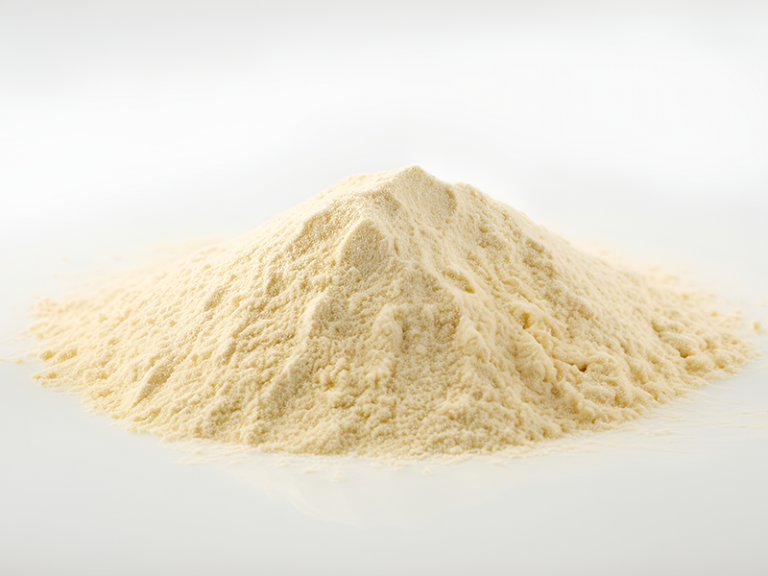
Alternatives snapshot — when to pick what
Fumed silica: pick it when you need extreme thickening or anti-settling in low-solvent systems; accept higher costs and dispersion challenges. Talc: use it for a powdery, silky finish and cost-efficiency, but expect different oil handling and potential caking. Kaolin/Clay: choose for absorbency and opacity in creams and masks, but it adds weight and a different skin feel. Starch/Microcrystalline cellulose: useful for natural/biodegradable positioning, not ideal where consistent oil control or abrasive action is required. Precipitated silica sits in the middle: tunable, predictable, good oil control, often cost-effective versus fumed silica.
Common mistakes that trip teams up
One: swapping grades without testing rheology — the old product will behave differently. Two: assuming “food-grade” equals “cosmetic-grade” — purity profiles and allowable additives can differ. Three: underestimating dispersion time — some silicas need more shear to open agglomerates and reveal performance. Four: ignoring moisture content and handling — hygroscopic powders change bulk density and dosing accuracy. Test small, scale up slowly, and track drying, milling, and mixing steps closely.
Short checklist before you switch
Run a simple set: measure oil absorption, tap density, particle-size distribution, and sensory feel in the final matrix. Compare abrasion (if relevant) and stability under humidity. Confirm regulatory acceptability for the target market and request a certificate of analysis for heavy metals and residuals. Those few tests will reveal whether precipitated silica is an upgrade or a compromise for your formula.
Bottom line — practical takeaway
Precipitated silica is a flexible, controllable filler that often outperforms traditional alternatives on oil control, tactile finish, and cost-effectiveness versus fumed silica, while avoiding some downsides of flaky minerals. Still, success depends on choosing the right grade and validating it in your exact process. If you need a supplier that documents grades for food, pharma, and cosmetic uses and supports lab-scale checks, consider working with partners who publish detailed specs and can help match grades to function like JSJ Silica.