Why a comparative approach clarifies procurement choices
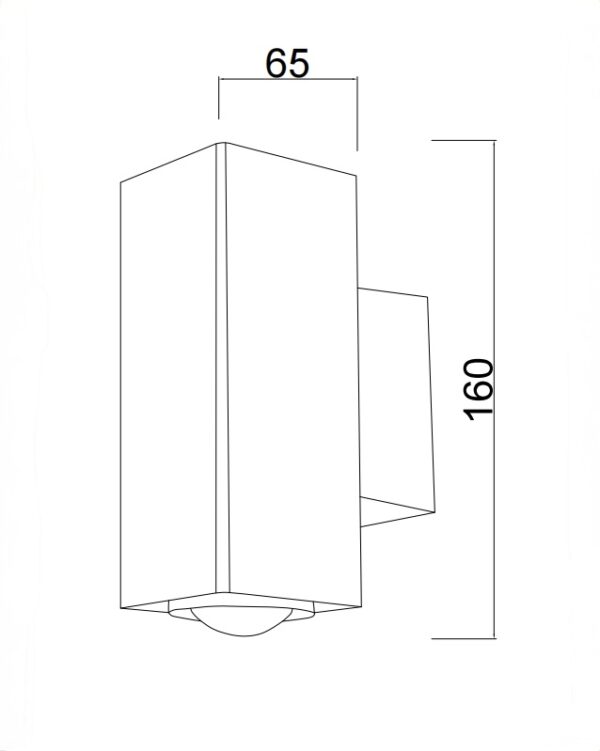
When institutions and design-led teams evaluate outdoor illumination options, they face a simple trade-off: convenience versus engineered performance. This piece adopts a comparative lens to help procurement managers, architects, and facility directors make an informed decision. From specification fidelity to after‑sales servicing, the difference is seldom cosmetic. For example, an outdoor wall lights motion sensor bought from a big-box rack may function at first sight but frequently lacks tailored control integration or built-in photocell calibration that professionals expect.
Project requirements versus retail assumptions
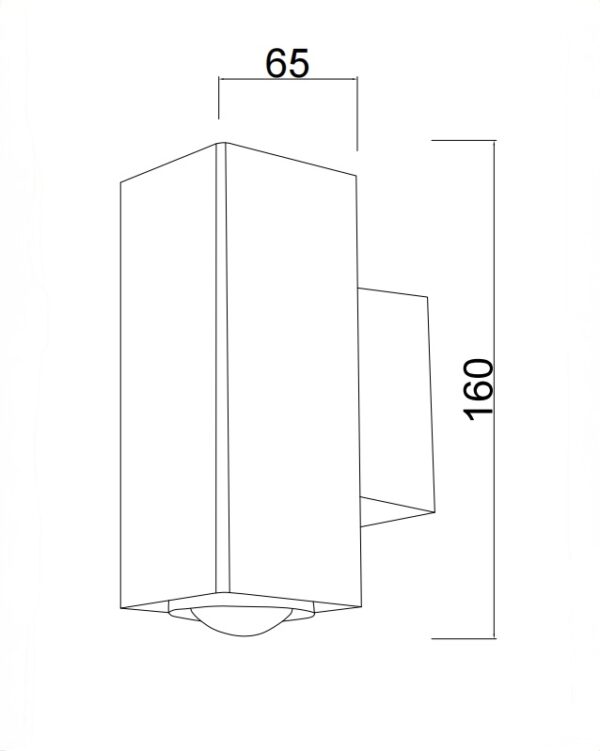
Professional projects begin with measurable targets: target lumen output, appropriate CRI for façade rendering, ingress protection (IP rating) for coastal exposure, and compatible mounting systems. Big‑box offerings assume generic use-cases; manufacturers target specific applications. The diplomatic reality is this: a product made to pass a retail checklist will rarely meet a designer’s acceptance criteria without retrofit work. That retrofit often adds hidden cost and schedule risk. A manufacturer partner, by contrast, aligns tooling, beam angle, and LED driver selection to project specs from the outset.
Performance, controls and real-world examples
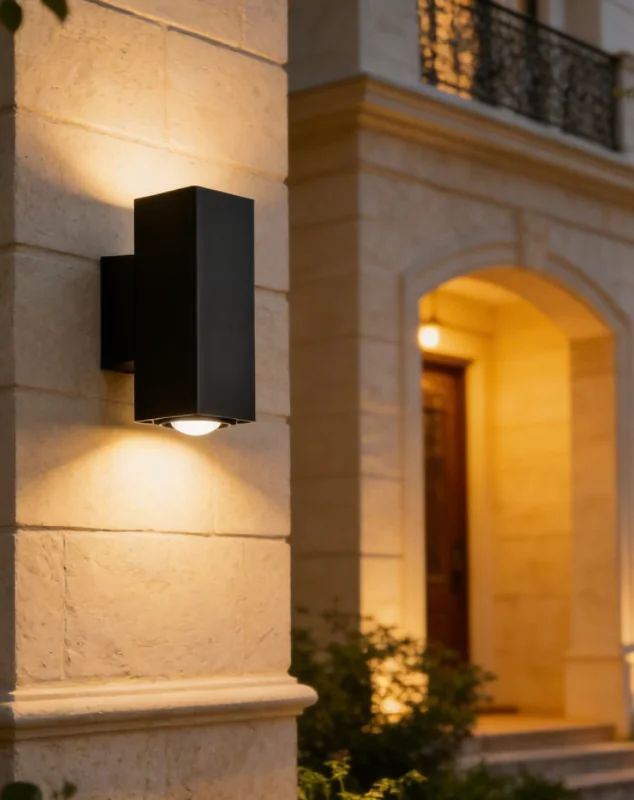
On performance, consider three aspects: thermal management, driver quality, and control interoperability. Robust thermal design preserves lumen maintenance and extends life; a well‑sized LED driver prevents flicker and ensures dimming stability. Control features—motion sensors, DALI or 0–10V interfaces—are not optional for professional sites. Cities that adopted large-scale installations—think of the Empire State Building retrofit and the dynamic displays in Times Square—demonstrate the value of coordinated control and engineered reliability. The same principles scale down to led building facade lighting, where uniform color temperature and consistent beam distribution matter for brand and safety alike.
Supply chain, compliance and service continuity
Manufacturers that serve professionals invest in documented testing (LM‑79, LM‑80), UL/EN listings, and clear warranty regimes. They can also offer batch traceability and burn‑in protocols that reduce on‑site failures. Big‑box channels seldom provide those assurances; their supply chains prioritize shelf turnover and price points. When a critical run fails on a campus project, the difference between a manufacturer with expedited RMA and a retailer’s return policy is measured in days — and that matters for lease milestones and public events.
Common mistakes teams make — and how to avoid them
1) Equating unit price with total cost. Energy consumption, maintenance frequency, and replacement lead times change the calculus. 2) Neglecting controls integration: assuming a plug‑and‑play motion sensor will mesh with a central BMS is risky. 3) Overlooking IP and corrosion resistance for coastal or industrial sites. Practical mitigation: require sample-stage testing with final mounting and control hardware, and insist on documented acceptance criteria tied to payment milestones — it saves headaches later. —
Three golden evaluation metrics for selecting the right partner
1) Specification adherence rate: insist on historical data showing how often delivered fixtures match the agreed lumen, CCT, and IP specs on first delivery. 2) Lifecycle transparency: verify projected lumen maintenance (L70) and warranty terms that reflect realistic driver and LED module performance. 3) Integration and service SLA: confirm availability of custom firmware, control drivers (DALI/0–10V), and an RMA/service window that aligns with your project timeline.
Measured against these metrics, the advantage of a dedicated manufacturer becomes evident: fewer field changes, predictable lifecycle cost, and clearer risk allocation. For teams that must reconcile design intent with operational continuity, Keyida presents a consistent example of that value—reliability engineered, not repackaged. —