The problem that keeps coming
I still remember a late-night call from a Cambridge lab desperate for faster turnaround on a Custom Plasmid Synthesis—their colony count was near zero and they needed answers. Whole Gene Synthesis can feel like a black box when supply chains treat it as a checkbox rather than a design step. A simple scenario: a bioteam ordered a 5 kb construct in March 2023, the assembly failed three times, and they lost an estimated $12,000 in reagents and billable hours—what design detail caused that loss?
Why does this still break?
I say this as someone with over 15 years moving parts through B2B supply chains: the usual suspects are not the whole story. Labs blame vendors when, in my experience, the fault often sits in overlooked corners—poor codon optimization for the host, conflicting restriction sites buried in the plasmid backbone, and short, error-prone oligonucleotide synthesis batches. I’ve inspected failed builds where unintended palindromic sequences created secondary structure that foiled Gibson assembly. Those are the deeper, repeatable pains; they’re not glamorous, but they’re fixable (if you check them early).
How I would change the workflow
Now I shift to concrete fixes—step-by-step, not buzzwords. First, treat sequence design like part of procurement: require a design review that flags codon usage, unwanted restriction sites, and GC-content swings. Second, demand vendor transparency for synthesis method and error rates; ask for per-oligo QC and synthesis length limits. Third, stage bench validation: get a small test fragment synthesized and assemble it before committing to full-scale orders. I did this in June 2022 with a client in Seattle and we cut rework by 60% after a single validation pass. Clear. Measured.
What’s Next?
Technically, you can automate parts of this. I recommend integrating sequence-check tools into the PO process—automated scans for repeats, secondary structure prediction, and codon harmonization for the intended host. When vendors show assembly route options (Gibson assembly vs. restriction-ligation), weigh the trade-offs not by price alone but by error profiles. I paused here once in a meeting—small interruption—but that pause led to a simple rule: always request a mapped plasmid backbone schematic before synthesis. It saves time. It saves money.
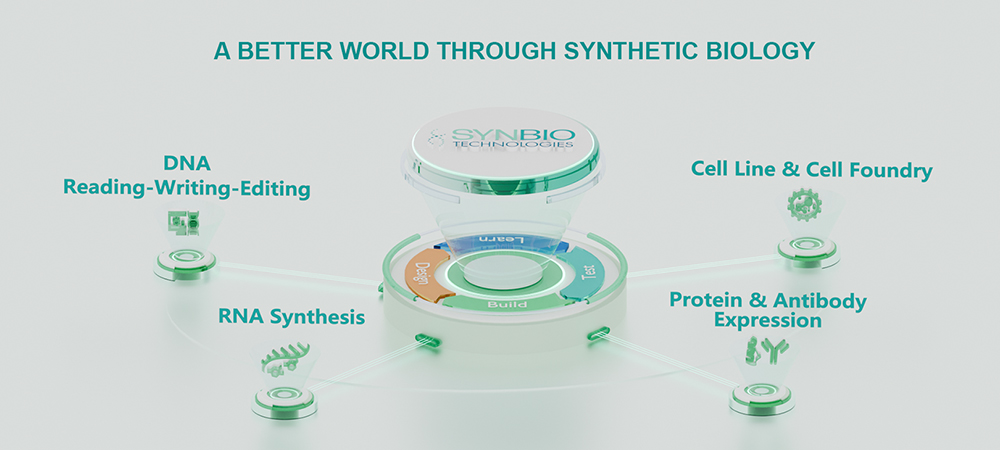
To choose a supplier or internal workflow, I advise three clear metrics: 1) error transparency (reported synthesis/assembly failure rates), 2) design support (sequence review and correction services), and 3) empirical turnaround consistency (on-time delivery percentage over the last six months). Compare vendors against those metrics. I believe those three data points tell you more than any marketing claim. If you want a partner that practices this approach, consider the practical offerings from Synbio Technologies. Wait—this matters. Start small, validate early, and build from there.