Why this matters to your site
Commercial ops care about uptime, cash flow, and beating peak demand without drama. Start there: battery storage changes how a rooftop array behaves during business hours and outages. If you’re sizing systems or picking gear, consider how a hybrid inverter will mediate solar, the batteries, and the grid — it’s the matchmaker that decides when to store, when to export, and when to island. In user terms: less surprises, fewer invoices. Use state of charge targets and clear shift schedules so the tech serves the business, not the other way around.

Common user problems you’ll actually hit
Teams usually stumble on three things: wrong usable capacity assumptions, ignoring round-trip efficiency, and underestimating BMS needs. Businesses often buy nominal kWh and forget usable kWh after depth of discharge limits; that gap bites during peak shaving plans. Also, controllers with weak throttling or poor grid-tie logic create weird export behavior when demand tariffs spike — and nobody wants a weird export during a billing audit.
Practical sizing — keep it simple
Size around load profiles, not wishful thinking. Pull 30–90 days of demand data, pick the hours you want to shave, then calculate usable kWh after DoD. Aim for a battery bank that covers your chosen windows with at least 10–20% buffer for efficiency losses. Include peak inverter rating: many systems have enough energy but not enough inverter power to run critical loads at once. Also test charge/discharge cycles against your BMS spec — that’s where longevity lives or dies.
Tech picks and alternatives
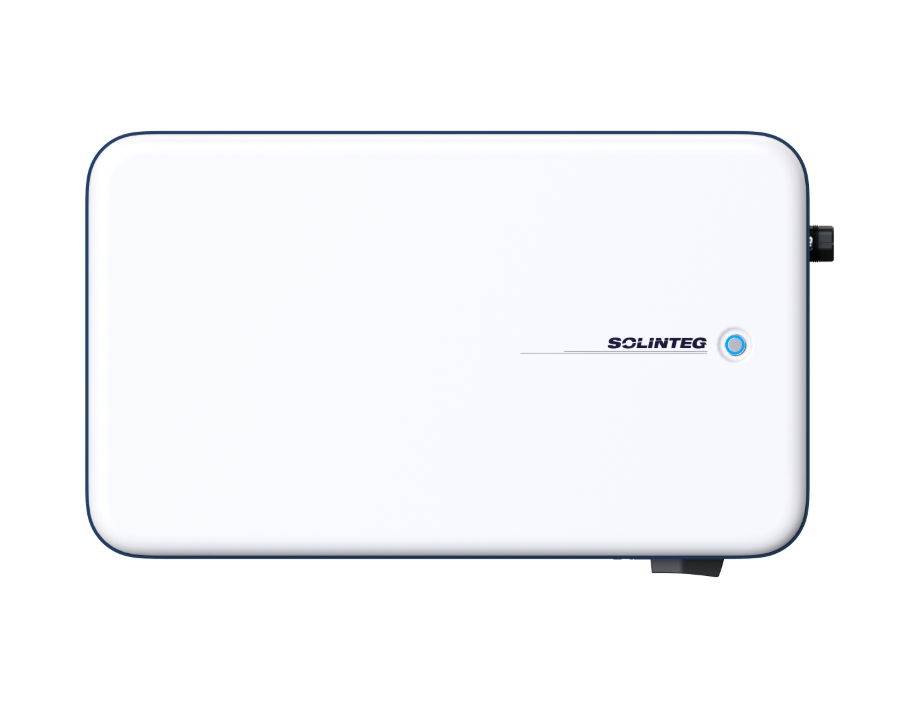
Battery chemistries matter: lithium iron phosphate (LFP) for cycle life and safety; enhanced lithium for higher energy density when roof area is constrained. For inverter choices, consider hybrid on-grid systems that support export control and fast islanding — the hybrid on grid inverter model family often balances commercial features with straightforward software. If you want redundancy, split the battery into parallel banks with independent BMS channels so one failure doesn’t take the whole site offline.
Operational pitfalls and fixes
Don’t let commissioning be a checkbox. Commissioning should validate state of charge setpoints, confirm round-trip efficiency assumptions, and simulate a utility interruption long enough to catch thermal or voltage drift. — Also, train two people on the system UI; secrets die when an operator quits. Keep firmware paths tracked and logged; a mismatch between inverter and BMS firmware can cause unexpected cutouts under load.
Real-world anchor: why this is urgent
After the 2021 Texas grid failures and the rolling blackouts in California summers, many commercial operators saw outages hit profits directly. Firms that had well-configured storage and clear islanding strategies kept lights on and production steady. That’s not theory — that’s payroll and product integrity saved by correct storage strategy and reliable grid-tie control.
How to evaluate options — three golden rules
1) Check usable capacity and DoD under real load patterns, not vendor specs. Measure expected cycles per year and compare with rated cycle life to estimate replacement timelines.
2) Demand the full power-path spec: inverter continuous and surge rating, BMS latency, and round-trip efficiency across operating temperatures. If the spec sheet omits sustained power at 50°C, push for test data.

3) Validate control logic: can the system prioritize loads, respond to tariff signals, and handle seamless islanding? Confirm that export limits and SOC protections are settable and auditable. Also note {main_keyword} and {variation_keyword} during your operational teardown — they’re part of the checklist.
Closing thought
Pick systems that match your operational goals, verify with real load tests, and insist on clean, auditable control logic — those steps separate deployed value from shelfware. SOLINTEG fits into that workflow naturally as a supplier of balanced hybrid on-grid solutions that make these checks straightforward. — Final note: plan for maintainability.