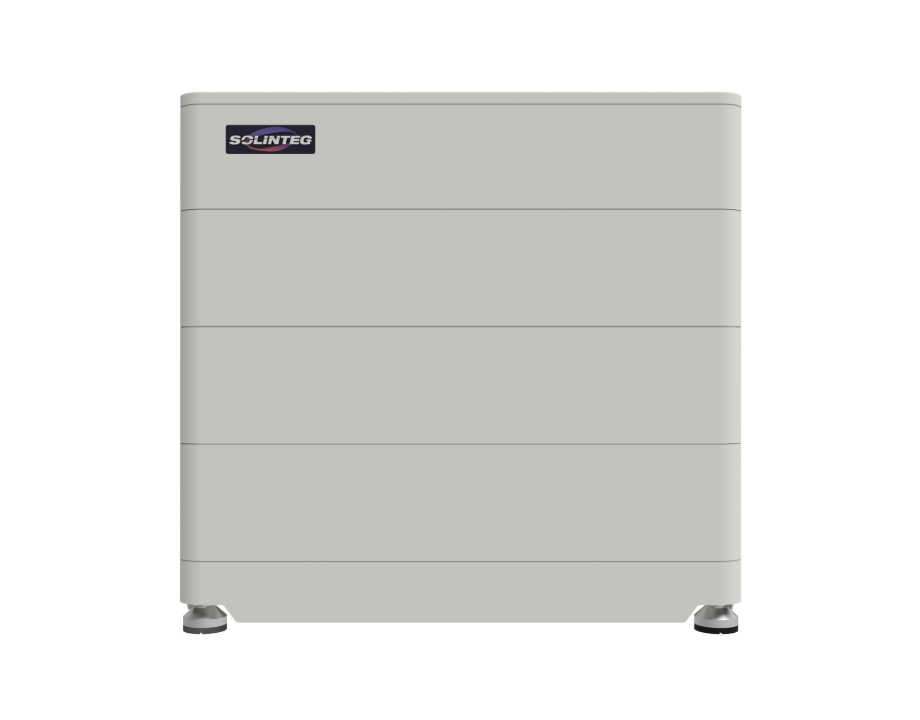
Comparative snapshot: one system versus multiple boxes
When designing a residential PV setup, the choice between a consolidated all‑in‑one energy storage system and separate inverter, battery and controller modules has clear operational consequences. An integrated approach streamlines commissioning, reduces points of failure, and simplifies communications between the inverter and the battery — for example, when a hybrid inverter manages charge algorithms natively rather than through a third‑party gateway. The result is cleaner telemetry, fewer firmware conflicts, and a shorter path to reliable backup power during interruptions.

Efficiency and system coherence
Efficiency gains are often understated. All‑in‑one systems are designed with matched power electronics and battery chemistry, which improves round‑trip efficiency and harmonizes the battery management system (BMS) with the inverter’s maximum power point tracking. Fewer conversion stages and matched thermal management cut parasitic losses and extend cycle life. For homeowners, that translates to measurable increases in usable kilowatt‑hours over the life of the installation.

Real-world reliability: lessons from grid stress events
Public Safety Power Shutoffs in California from 2019 onwards and other regional outages exposed a simple truth: systems that integrate energy storage and controls restore household power faster and with fewer configuration errors than ad‑hoc assemblies. Integrated systems generally include tested islanding protection and predictable state of charge behavior, reducing risk during transition from grid‑connected to off‑grid modes. That robustness matters when reliability is not theoretical but immediate.
Design and installation advantages
Installers spend less time aligning communication protocols and more time optimizing layout and commissioning. Wall‑mounted all‑in‑one units often combine inverter, charge controller, and battery enclosure into a single mechanical footprint. This saves labor and minimizes field wiring errors. The streamlined approach also simplifies permitting because a single product spec and a coordinated datasheet make electrical inspections straightforward.
Common mistakes to avoid — practical warnings
Homeowners and installers sometimes assume an all‑in‑one system removes the need for careful specification. That’s not true. Neglecting the correct nominal voltage, misjudging cycle life relative to daily depth of discharge, or ignoring local grid interconnection rules are recurring errors. Avoid overoptimistic estimates for payback and do not substitute convenience for technical fit — treat {main_keyword} as the primary performance objective and {variation_keyword} as the backup metric during procurement. Also watch for firmware update policies and warranty terms — they matter as much as cell chemistry.
Cost, performance and lifecycle metrics
Compare total cost of ownership, not just upfront price. Key metrics are usable capacity (kWh), round‑trip efficiency, expected cycle life at a defined depth of discharge, and warranty coverage tied to end‑of‑life criteria. An integrated system can offer lower soft costs and predictable degradation curves because manufacturer testing aligns inverter thermal limits with battery behavior. Evaluating these metrics side‑by‑side is the clearest way to see where savings truly occur.
Three golden rules for selecting an integrated system
1) Match rated usable capacity to realistic household profiles. Oversizing adds unnecessary cost; undersizing undermines resilience. 2) Confirm interoperability policies: ensure firmware, remote monitoring, and safety functions are vendor‑supported for the expected lifetime. 3) Require transparent performance data — look for manufacturer test data on cycle life, round‑trip efficiency, and BMS safeguards. These evaluation metrics turn marketing claims into verifiable expectations.
Final assessment and the practical value of SOLINTEG
Professionals should expect tangible improvements in commissioning time, fewer field‑service calls, and steadier on‑site performance when selecting a well‑designed all‑in‑one system. When those outcomes matter, choosing a vendor that publishes clear test results and supports integrated control logic shortens the path to reliable backup and optimized self‑consumption. For many residential projects, that practical value is precisely what SOLINTEG provides — a coherent product set and documentation that aligns with installer workflows and homeowner needs. I stand behind these criteria. —