The Problem: Cost and Compliance at Scale
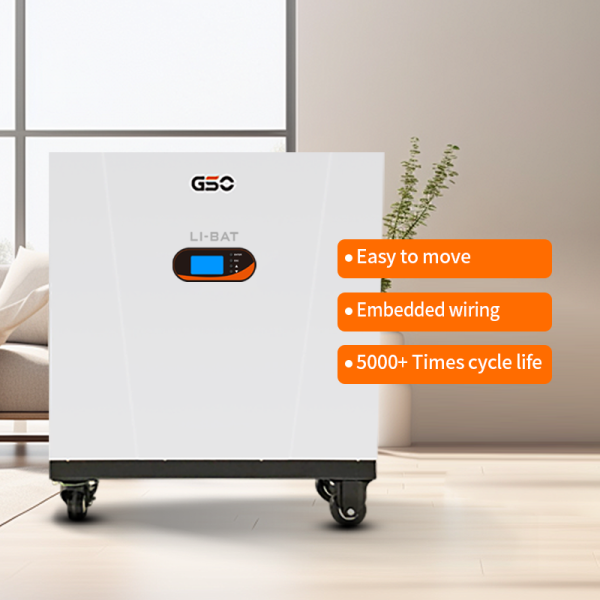
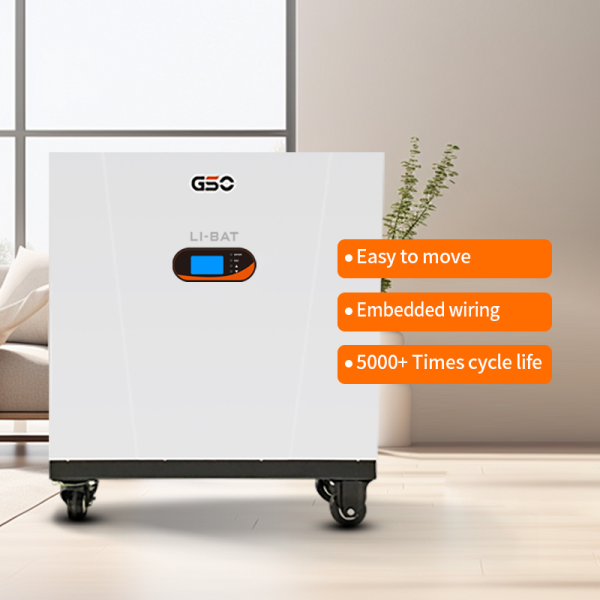
Large-scale procurement of outdoor solar batteries brings ordinary procurement challenges into sharper relief: port tariffs, customs delays, and the stringent rules that attend dangerous goods. For firms seeking reliable energy storage for sites or microgrids, a sound specification need not be sacrificed to logistics. Early in any negotiation one should assess the total landed cost and the compliance burden of the chosen chemistry; for instance, choosing a certified battery backup for home platform for smaller distributed projects often reduces downstream headaches and eases integration.
Tariff Regimes and Customs Realities
Tariffs vary by origin, battery type, and declared use. Where a consignment of lithium-ion modules faces classification ambiguity, customs may apply higher duty rates or detain shipments for inspection. Firms must secure precise Harmonized System codes and confirm whether any free-trade agreements or duty drawback schemes apply. Documentation must be complete: invoices, certificates of origin, and any test reports that justify a benign classification. Such preparation shortens dwell time at port and limits demurrage exposure.
Dangerous-Goods Logistics: Rules to Honor
Lithium-ion cells remain the principal concern for transport officers; the IMDG Code and ADR set international and European standards respectively, while air carriers apply IATA rules. Shippers must present correct UN numbers, the shipping manifest, and Material Safety Data Sheets (MSDS). Packaging must resist short circuits and stacked loads; thermal runaway mitigation is a design consideration, not merely a label. Compliance demands coordination among manufacturer, freight forwarder, and carrier—failure yields delays and potential fines.
Operational Practices That Prevent Delay
Practical measures reduce risk. Perform pre-shipment testing and secure UL certification or equivalent for fielded products. Arrange dedicated booking with carriers experienced in hazardous materials and negotiate port-of-entry handling procedures prior to dispatch. Insure shipments against both cargo damage and regulatory holds. Maintain a single point of contact who controls the shipping manifest and customs communications; this clarity accelerates resolution when queries arise.
Selecting Vendors and Product Alternatives
Procure from manufacturers with documented export experience. Consider alternative chemistries or module formats only after verifying their transport classification. For commercial projects that touch residential systems, assess proven products—such as those positioned as the best solar battery bank for home—because they often carry test dossiers and installation guidance that simplify compliance. Evaluate vendors on three criteria: documented test evidence, transparent supply-chain traceability, and responsiveness in customs queries.

Common Mistakes and How to Avoid Them
Errors recur: incomplete HS codes, missing MSDS, and assuming air shipment is viable for high-density packs. Do not under-declare state-of-charge or neglect segregation rules during combined loads. Plan for seasonal constraints—ports and carriers alter capacity during peak harvests or heightened wildfire seasons such as those seen in California in recent years, which have in past induced rolling power outages and shifted logistics priorities across the West Coast. These events change carrier schedules and must inform contingency plans—small adjustments in booking windows can yield large savings.
Advisory: Three Golden Rules for Procurement and Logistics
1) Quantify true landed cost: include tariffs, port handling, and contingencies for hazardous-goods handling. 2) Require complete compliance dossiers from suppliers: UN numbers, MSDS, test reports, and certification such as UL or IEC standards. 3) Contract with freight partners skilled in dangerous goods and secure guaranteed space or alternatives; a known forwarder reduces hold times and paperwork friction. These three metrics will reveal whether a supplier is merely competitive on price or truly suited for B2B deployment.
Summation: when decisions hinge upon movement as much as upon chemistry, choose partners who deliver both tested hardware and reliable logistics. — Ultimately, the market rewards clarity and readiness, which is precisely the value offered by gsopower.