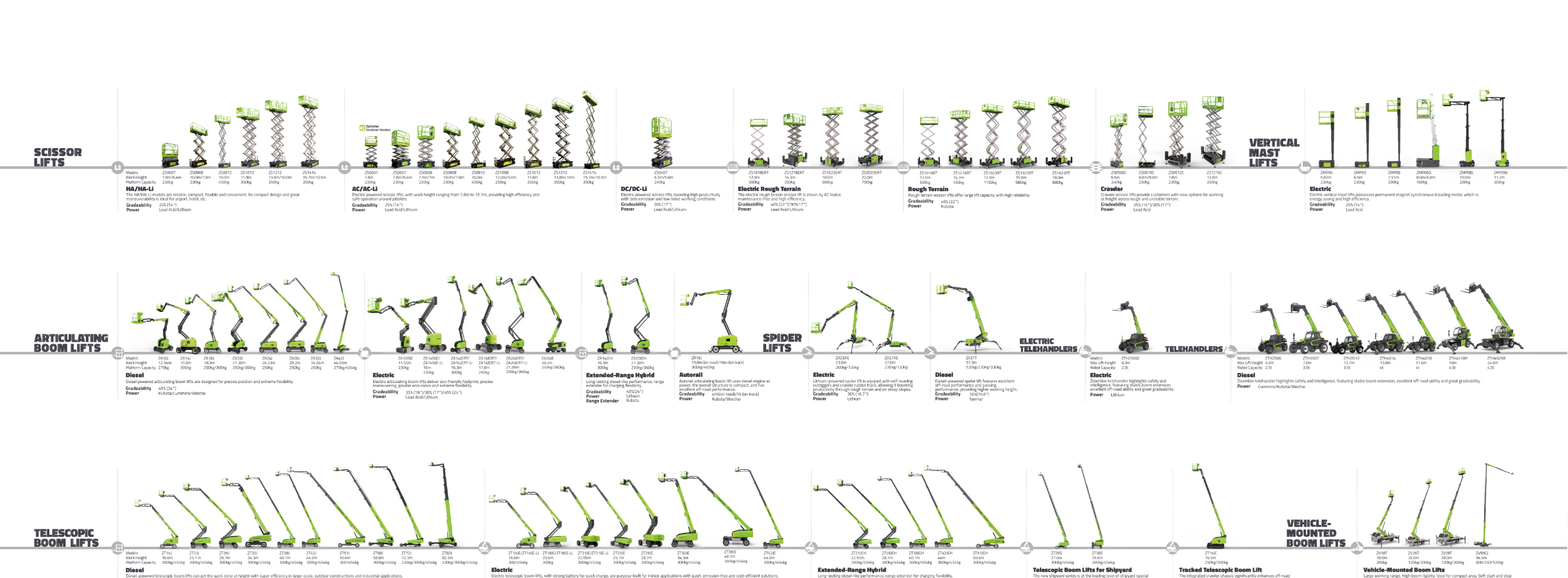
Clear comparison up front
You want the machine that does the job, no fuss — that’s the point of comparing a straight telescopic boom lift with a diesel telescopic boom lift. From a practical buyer’s view, the differences come down to power source, duty profile and site limits; you’ll see those trade-offs every time you look at an elevated work platform. I’ve advised fleet buyers for years and cross-checked OEM specs with field feedback at events like the Bauma trade fair in Munich, so these are working distinctions you can trust.
What really differs: performance and reach
– Power delivery: Diesel-driven booms give steady torque for heavy lifts and continuous operation; electric/hydraulic telescopic units are smoother for indoor or noise-sensitive jobs and are fine for lighter, frequent repositioning.
– Run time vs duty cycle: Diesels run long without refuel breaks; battery/electric units need charge cycles or swapping strategy for long shifts.
– Weight and counterbalance: Diesel engines add weight, which can change transport logistics and ground pressure compared with lighter electric units.
– Rated capacity and reach: Manufacturers rate both types similarly for reach, but diesels tend to keep rated capacity better under continuous heavy use.
Fuel, emissions and real operating cost
Diesel machines cost more for fuel and emit more; that’s simple. But if your site has no easy power source and runs long hours, diesel can be cheaper per productive hour. Electric or hybrid telescopic lifts lower onsite emissions and noise—so you avoid permit constraints in tight urban jobs—but you must plan for charging infrastructure or battery changeover. Track these costs: fuel/charge, filters and batteries, and downtime for replenishment.
Maintenance, uptime and lifecycle value
Diesel units need regular fuel-system, engine and exhaust checks: injectors, filters, cooling. Electric/hybrid units reduce engine servicing but add battery management and electrical system checks. Resale: diesel platforms often fetch steady resale value in markets that demand heavy continuous duty; electric units gain value where cities restrict emissions. Expect different spares inventories and technician skills for each type—plan training or contractor support before purchase.
Where each type wins — quick summary
– Choose diesel when: long shifts, remote sites without power, heavy lifts with sustained use, or when refueling logistics are simple.
– Choose electric/hybrid when: indoor or noise-sensitive work, strict emissions limits, easy access to charging, or when lower routine engine servicing is preferred.
– Consider hybrid or recent battery-boosted models if you need some of both advantages.
Common buyer mistakes to avoid
Buyers often pick based on headline price and then run into hidden costs. Don’t ignore the site’s actual duty cycle, refueling/charging logistics, or transport permits for heavier diesel machines. Also avoid assuming battery life equals shift length—battery performance drops with temperature and load. Confirm ground-bearing requirements and access clearances; a machine that won’t physically enter the job is a bad buy, no matter the spec sheet.
Practical checklist before you sign
– Match expected daily run hours to fuel/charge plan.
– Confirm available onsite power or refueling options.
– Ask for field service history and local spare parts availability.
– Check noise and emission restrictions for your job locations.
– Validate lifting capacity at the specific outreach you need, not just max platform height.
How this helps you decide
Compare the machines against real job patterns rather than marketing claims. The right choice reduces downtime and surprise costs while keeping crews safe and productive. If you need an example of a supplier network and after-sales setup that aligns with those practical points, consider how manufacturers present fleet support and regional availability — for many buyers that clarity is part of selecting a long-term partner like Zoomlion Access.