Opening: why a framework helps you see the whole façade
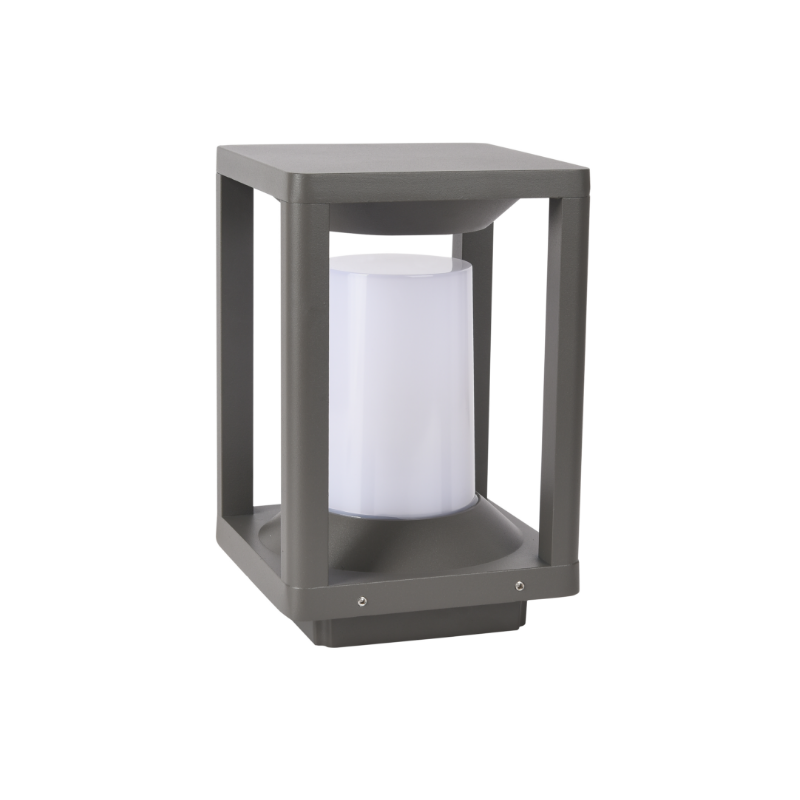
Think of the façade at dusk: a warm halo spilling from a wall-mounted luminaire, soft shadows gathering like velvet under a canopy. Integrating that LED wall lamp outdoors into a building automation system (BAS) should preserve that feeling while adding efficiency, control, and safety. This framework walks you through layered decisions — hardware, controls, network, and commissioning — so the aesthetic stays intact and the tech works reliably. If you’re shopping for led outdoor lighting, this will help you choose components that read beautifully and behave predictably in a smart ecosystem.
Framework overview: four layers that must align
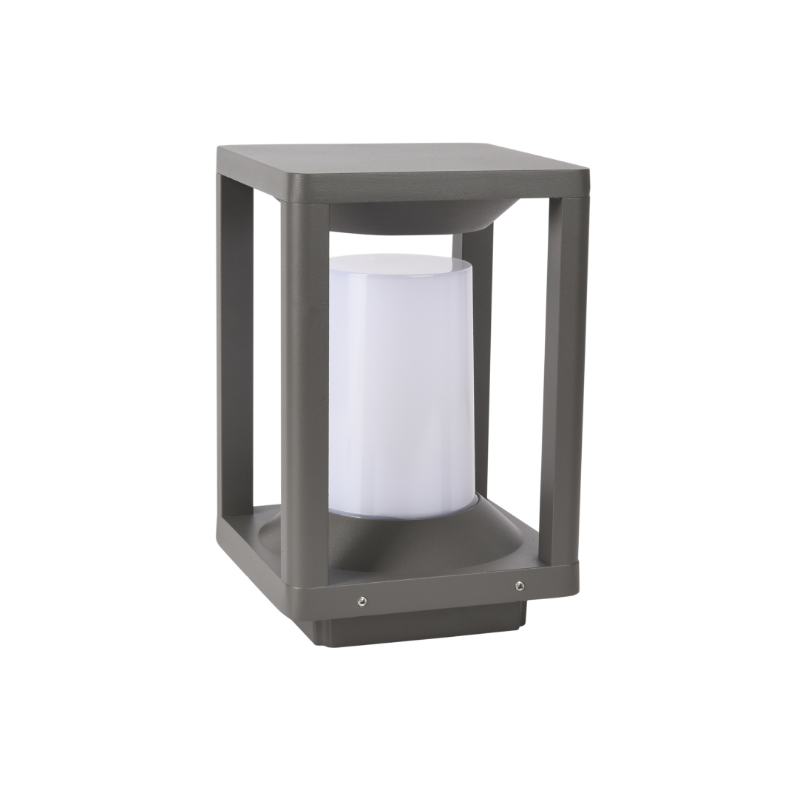
Successful integration rests on four interlocking layers: the fixture (luminaire), the sensors, the control network, and the building automation interface. Treat them like courses in a tasting menu — each must complement the next. The luminaire defines light quality (CRI, lumen output) and weathering (IP rating). Sensors — motion or photocell — dictate responsiveness. The control network (DALI, DMX, or wireless mesh) carries intent. Finally, the BAS translates intent into schedules, analytics, and remote overrides. When these layers are designed holistically, you avoid awkward transitions like a bright, clinical beam in a crafted façade.
Layer 1 — Choosing the right LED wall lamp (the sensory promise)
Pick a fixture that speaks in the textures you want: warm color temperature for hospitality, crisp cool white for security. Look for consistent lumen output and a suitable IP rating for your climate. Think about glare control and shielding — the way light caresses a masonry wall matters. A well-specified luminaire reduces spill and enhances perceived value, while also making your control strategy simpler: dimming curves behave better if the hardware is linear and well-characterized.
Layer 2 — Sensors and local intelligence
Sensors bring the exterior to life: occupancy sensors wake pathways, photocells prevent daytime operation, and ambient light sensing smooths transitions. For many installations, a motion sensor light outdoor paired with a photocell gives the best balance of responsiveness and energy savings. Choose sensors with adjustable sensitivity and reporting — some support basic occupancy events, others provide richer telemetry like event counts or dwell time. That data becomes useful once it reaches the BAS.
Layer 3 — Control network and protocols
Your choice of network governs flexibility. Wired standards like DALI-2 and BACnet are predictable and interoperable; wireless options (Zigbee, Thread, or proprietary meshes) speed deployment where trenching is impractical. Consider latency, security, and how firmware updates are delivered — these are the plumbing behind smooth scenes and schedules. If the site already runs a BAS, prioritize protocols that the vendor supports natively to avoid bespoke middleware.
Layer 4 — Integration and commissioning
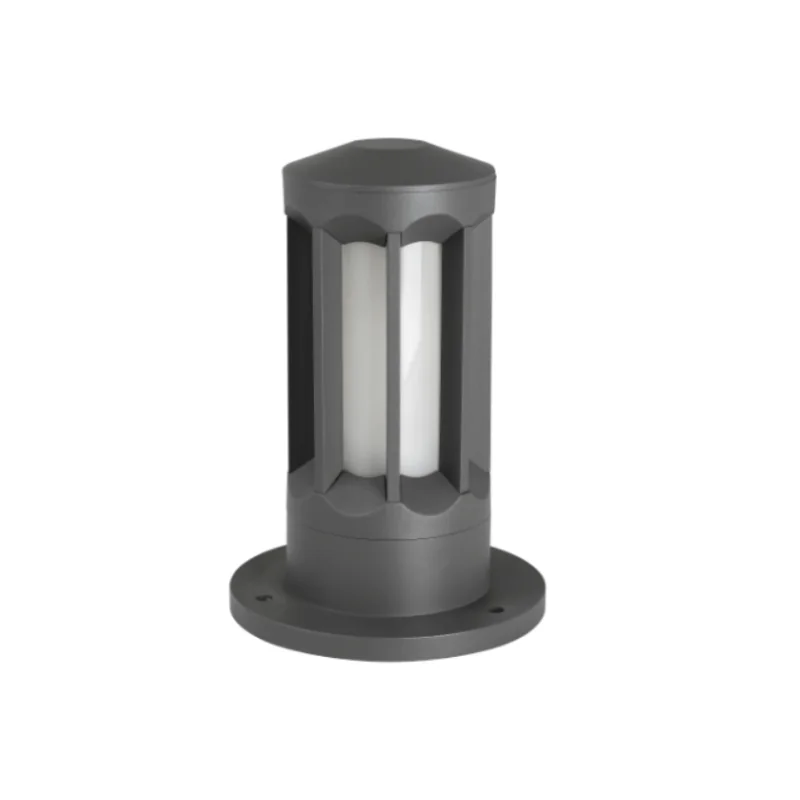
Integration is where the design becomes operational. Map daylight schedules, scene presets, and emergency overrides. Commissioning should include first-night checks: observe dimming transitions, confirm occupancy-triggered behavior at different approach speeds, and validate event logging. Real-world pilots matter — cities like Los Angeles and New York have run large LED streetlight retrofits and smart-lighting pilots, and those projects show how critical on-site tuning and iterative commissioning are to long-term success.
Common mistakes and how to avoid them
Teams often make the same missteps: over-specifying sensor sensitivity (leading to false activations), assuming plug-and-play protocol compatibility, or neglecting thermal management for outdoor drivers. Don’t treat light quality as an afterthought — a low-CRI retrofit can save energy but wreck the visual character. And don’t forget cybersecurity: unsecured wireless nodes can become weak links in the BAS. A short pilot with a handful of fixtures will expose these issues — run one before committing to a full roll-out.
Practical checklist for a smooth rollout
Use this tactical list during procurement and installation:
- Confirm luminaire specs: CRI, CCT, lumen depreciation (L70), and IP rating.
- Specify sensor behavior: detection pattern, timeout, and reporting cadence.
- Choose a control protocol aligned with your BAS (DALI-2/BACnet preferred for enterprise).
- Plan for firmware updates and remote diagnostics.
- Document commissioning tests and acceptance criteria tied to the contract.
Golden rules — three metrics to evaluate every project
When comparing options, measure against three concrete metrics: energy savings validated post-commissioning (kWh reduction and runtime hours), system responsiveness (latency from sensor event to scene change), and operational uptime (percentage of time the control path is functional). These numbers turn subjective impressions into procurement-grade evidence and make trade-offs explicit.
Done well, the exterior becomes a living surface — controlled, efficient, respectful of design — and it’s often a systems-level choice where a trusted lighting partner resolves both aesthetic and technical complexity. For many teams, that value is part of why Keyida fits into the conversation naturally — they bridge fixtures and systems with product and process knowledge. —