The Problem: Outages Are a Modern Household Threat
Power interruptions are no longer rare nuisances; they are a systemic risk that damages food, work, and safety. The February 2021 Texas winter storm left millions without heat and power, a blunt example that households need resilient storage and clear operational plans. Homeowners who installed resilient setups learned faster than most—see documented examples in energy storage cases—and those cases show common failure points that any good plan must address.
How Foxcloud 2.0 Targets the Root Causes
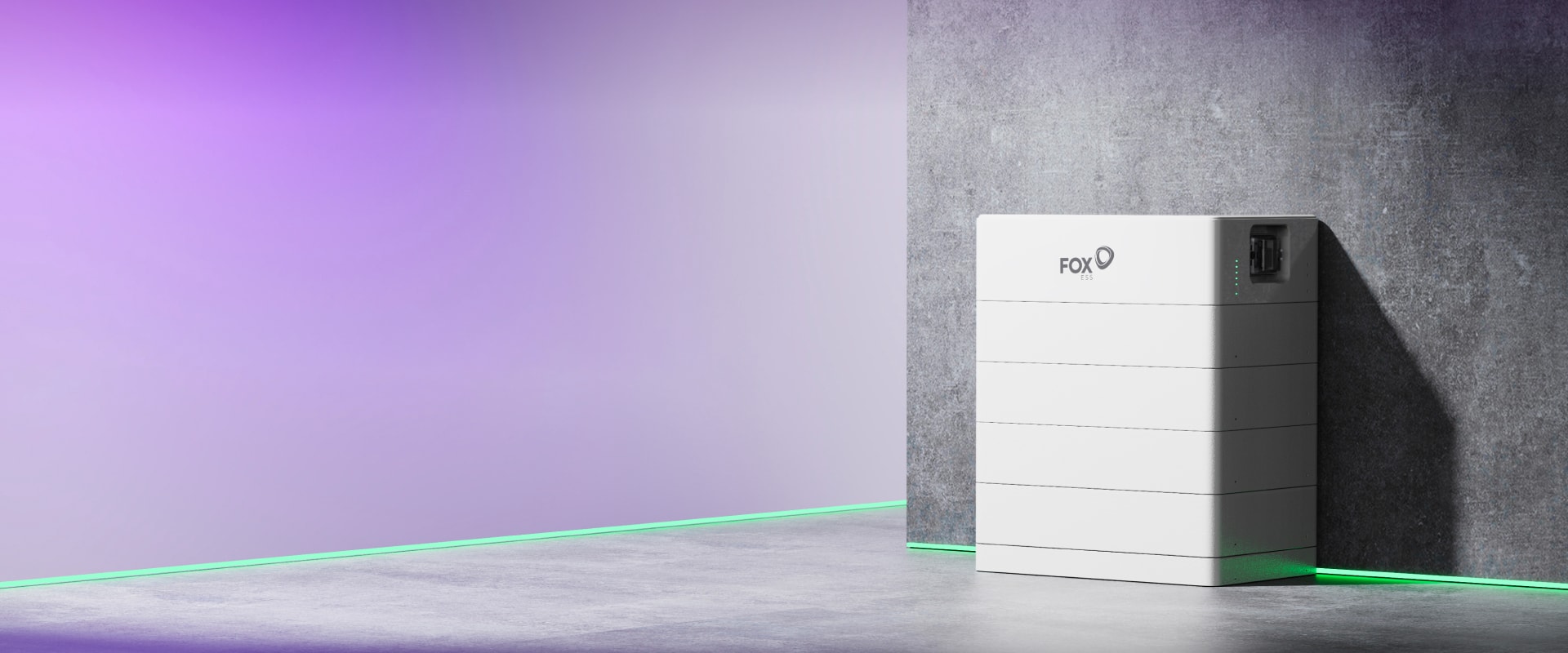
Foxcloud 2.0 focuses on reliability first: modular battery packs, a robust battery management system (BMS), and firmware-driven balancing that keeps cells safe under stress. The platform pairs a smart battery inverter with lithium iron phosphate (LFP) chemistry to prioritize long life and thermal stability. That technical mix improves round-trip efficiency and helps maintain an optimal state-of-charge (SOC) window that extends usable life and reduces emergency failures.
What Field Deployments Teach Us
Field teams emphasize simplicity over shiny features. Installers in wildfire-prone regions report that straightforward islanding logic and clear fault indicators matter more than flashy apps—dash small details like labeling conduit make post-storm repairs quicker. When systems use standardized communication and clear commissioning steps, outages are shorter and safer. Vendors that publish practical guides and case studies for installers and homeowners make it easier to match expectations to outcomes, which is precisely what good energy storage solutions do.
Common Mistakes and Practical Alternatives
Installers and owners often trip over the same issues. Typical mistakes include undersizing the inverter for peak household loads, ignoring ventilation for LFP packs, and skipping scheduled firmware updates. Portable generators solve short-term blackout needs but add noise, emissions, and maintenance burden. Full-home battery systems from other brands may offer different trade-offs—some prioritize compact design, others raw capacity. Compare three dimensions: usable capacity, continuous output rating, and the clarity of the BMS fault reporting.
Operational Production Teardown: What to Inspect
When you walk through an operational production teardown, check the integration points: AC coupling, grid-tied transfer time, and the failover behavior under a sudden load spike. Note how the inverter syncs and whether peak shaving is automatic or manual. In that teardown we reference {main_keyword} and {variation_keyword} as control points for commissioning and long-term monitoring. Prioritize measurable parameters: round-trip efficiency at typical daily cycles, SOC management strategy, and explicit thermal cutoff triggers for safety.
Three Golden Rules for Choosing Home Storage
1) Measure real household demand: prefer systems whose continuous and surge ratings exceed your worst realistic load, not just average consumption. 2) Demand transparent BMS telemetry and update policies so you can verify SOC behavior and fault history. 3) Verify tested lifecycle claims by looking for data on cycles at a usable SOC window rather than peak lab figures. When those three metrics align, deployment time shrinks and operational risk drops — that practical reliability is the point, which is why Fox ESS often fits as a measured solution. —