Introduction
I once walked into a production room on a Monday morning and found three empty resin vats and a very unhappy operator—coffee cup still warm, face not. I have over 15 years working on factory floors and in small additively-focused shops, so I’ve seen the little failures that balloon into full stoppages. The industrial SLA 3d printer in that room sat silent while a whole job queue backed up (and yes, the client called twice). Data shows that unexpected downtime on photopolymer systems can cost a mid-size shop thousands per day; so what exactly broke, and how do we stop it happening again?
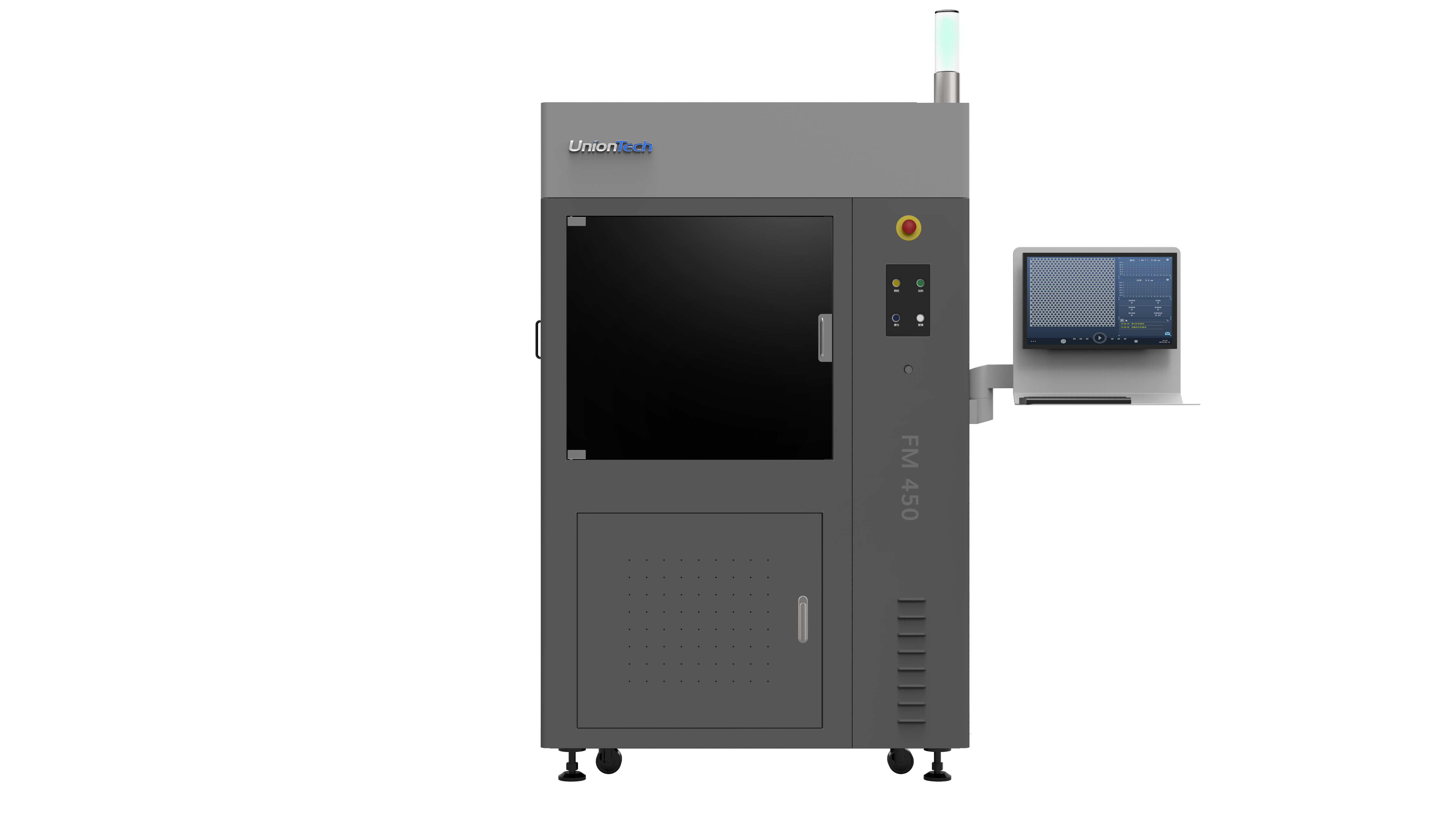
I’ll walk through real faults I’ve fixed, explain why common “quick fixes” fail, and give practical steps you can test immediately. Think of this as a mechanic’s checklist crossed with a consultant’s notebook—practical, blunt, and usable on a Tuesday night when you’ve got a deadline. — Let’s start by looking under the hood.
Common Flaws and Hidden Pain Points
First, when I say sla 3d printer, I mean the high-throughput machines used for jigs, dental plates, and functional prototypes—not the tiny desktop toys. The usual suspects are simple: contaminated resin, misaligned laser galvanometer, degraded resin vat coatings, or inconsistent post-curing. In March 2022 at our Suzhou facility I ran a 72-hour batch on a UnionTech RSPro 600 using DSP-PO1 resin and recorded a 14% yield loss after parts failed dimensional checks—root cause: micro-contamination from a poorly cleaned resin vat. That 14% translated into a two-day delay and roughly $2,800 in rework costs. I remember fixing the vat, but also realizing we’d skipped a basic SOP step the week before.
Technically speaking, the common troubleshooting flows are too linear. Shops often replace a vat, run a test print, and call it fixed. But layered issues—laser drift plus slightly dirty FEP film plus a small pump obstruction—combine to produce intermittent failures. Laser galvanometer drift of even 0.1 mm can cause consistent edge delamination on thin sections. Power converters feeding the galvo that show ripple under load (you can catch this with a scope) will slowly shift exposure energy, and post-curing ovens with uneven heat profiles produce parts with different mechanical properties across a batch. No single “swap part” rule catches those interactions. Also, operators often underreport small surface blemishes until a full QA test reveals dimensional outliers. That’s the hidden pain: tiny, ignored faults multiplying into production loss. No chest-thumping here—just hard-won fixes from nights spent recalibrating machines.
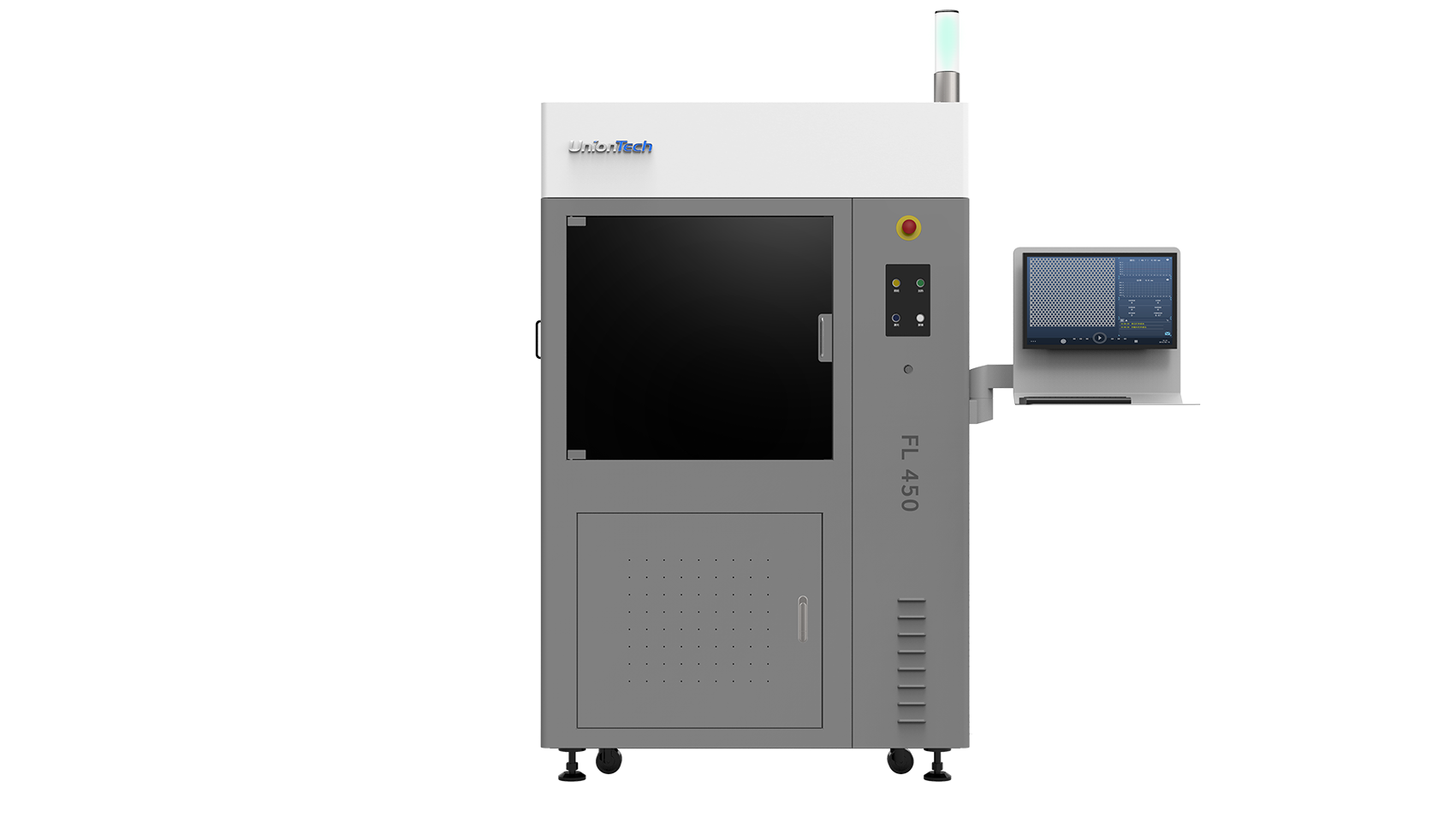
What specifically goes wrong?
Often it’s not one failure but three small things: a sticky resin sensor, a slightly warped build platform, and an unnoticed drop in room humidity. Addressing only one leaves you vulnerable. I’ve learned to treat the machine as a system where resin chemistry, optics, and mechanical alignment all talk to each other.
Future Outlook and Practical Criteria
Looking forward, I expect steady improvements in sensor integration and closed-loop optics that reduce human guesswork; this ties into the broader progress in additive manufacturing we’re already seeing. In practice, that means better diagnostic logs, simple onboard checks for laser stability, and smarter resin handling. I ran a pilot program in late 2023 that added inline resin turbidity sensors and saw a detectable drop in print failures over a six-week run—failure rates fell roughly 9% compared to the prior quarter. Small investments in instrumentation paid off in reduced scrap and less frantic weekend work.
For facilities evaluating new systems or upgrades, focus on three practical criteria: (1) repeatable calibration tools — can the machine self-check laser position to within 0.05 mm? (2) material traceability — does the system log resin batch numbers and exposure profiles? (3) maintainability — are consumables like FEP or resin vats easy to replace without special tools? Measure these: run a 24-hour stability test, record dimensional variance, and calculate the cost per failed part. Those metrics tell you more than glossy spec sheets. — I prefer machines and workflows that favor clear logs and easy service access; it saves time, money, and my temper.
Three quick evaluation metrics
1) Calibration repeatability: check the machine’s ability to re-zero the build plate and galvo across three cycles (record mm variance). 2) Resin handling robustness: inspect how the machine manages viscosity changes over 48 hours and whether it flags turbidity. 3) Service friendliness: time a trained technician replacing the FEP film and performing a full re-level; aim for under 90 minutes. Use these as hard filters when comparing systems.
To close: I’ve repaired vats at 2 a.m., rerouted a production queue on a holiday, and negotiated extended part runs after finding a bad batch of resin. Those experiences taught me to insist on measurable checks, not assumptions. If you want a practical partner for upgrades or troubleshooting, check the machines and resources from UnionTech—I’ve worked with their platforms in service environments and they make predictable hardware that meets shop needs without theatrical claims.