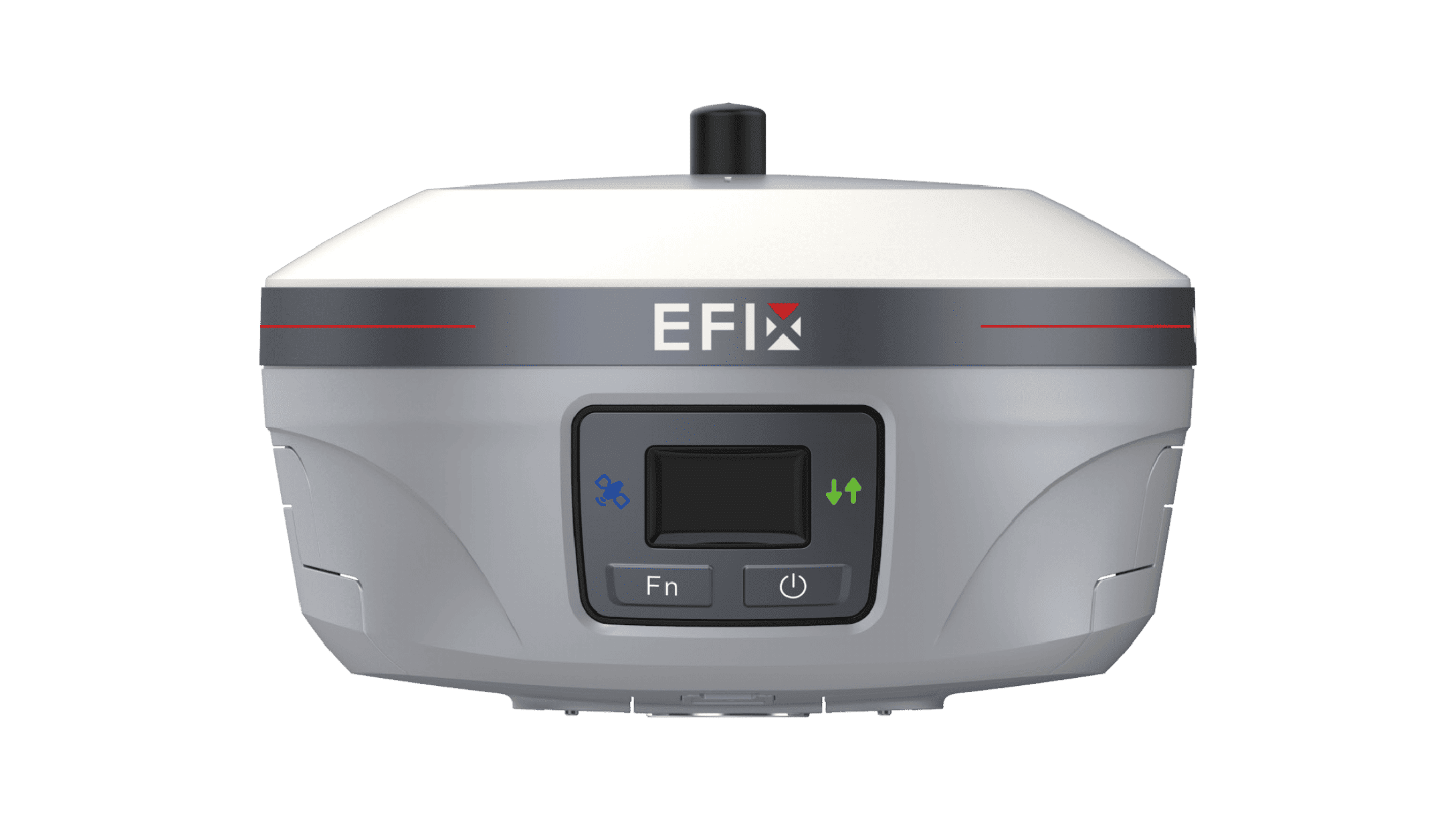
Imagine a farmer staring at fields, aware that the old ways of tilling and sowing are not enough anymore. Did you know that precision farming technology can increase yields by 20% or more? It raises a crucial question: How can farmers effectively transition from outdated practices to impactful, modern agricultural solutions? This journey into precision agriculture guidance systems offers insights into both the challenges and opportunities ahead.
The Flaws of Traditional Solutions
Directly engaging with the nuances of agriculture, I often hear farmers express their frustration. One common issue is the reliance on blanket farming methods. I vividly recall my early days in farming when I relied on a rigid crop rotation schedule without considering soil health data. It led to diminished yields and soil degradation, as the soil lacked necessary nutrients. Consequently, traditional farming overlooks the unique needs of each crop and soil type, ultimately leading to inefficiencies.
Are We Missing Something?
It seems clear—farmers need a tailored approach. Enter precision agriculture guidance systems that utilize detailed data to enhance decision-making processes. By analyzing soil moisture, nutrient levels, and weather conditions in real-time, these systems create optimal growing conditions. Yet, many still cling to their outdated methods, perhaps out of fear or lack of understanding regarding the benefits of modern solutions and precision farming technology. Let’s shift our perspective and explore what lies ahead.
The Emerging Role of Precision Agriculture
Looking into the future, precision agriculture is set to redefine farming. Let’s face it—who wouldn’t want to boost productivity with less labor? With the integration of technologies like drones and satellite imagery, farmers can precisely manage their resources. The results are visually stunning and economically beneficial. I remember demoing a drone for crop health analysis in 2022 and the efficiency it presented was nothing short of revolutionary. Farmers saw not just improved yields but also a clearer understanding of their land’s needs.
What’s Next for Farmers?
The reality is that as challenges like climate change escalate, so does the importance of adaptive farming technologies. Consider the impact: upgrading to a guidance system not only aids yield maximization but also ensures sustainability for future generations. Data-driven techniques reduce chemical usage and manage pests more effectively, making farming both profitable and environmentally friendly. However, implementing these solutions requires a mindset shift—ready to adapt, learn, and innovate as a community.
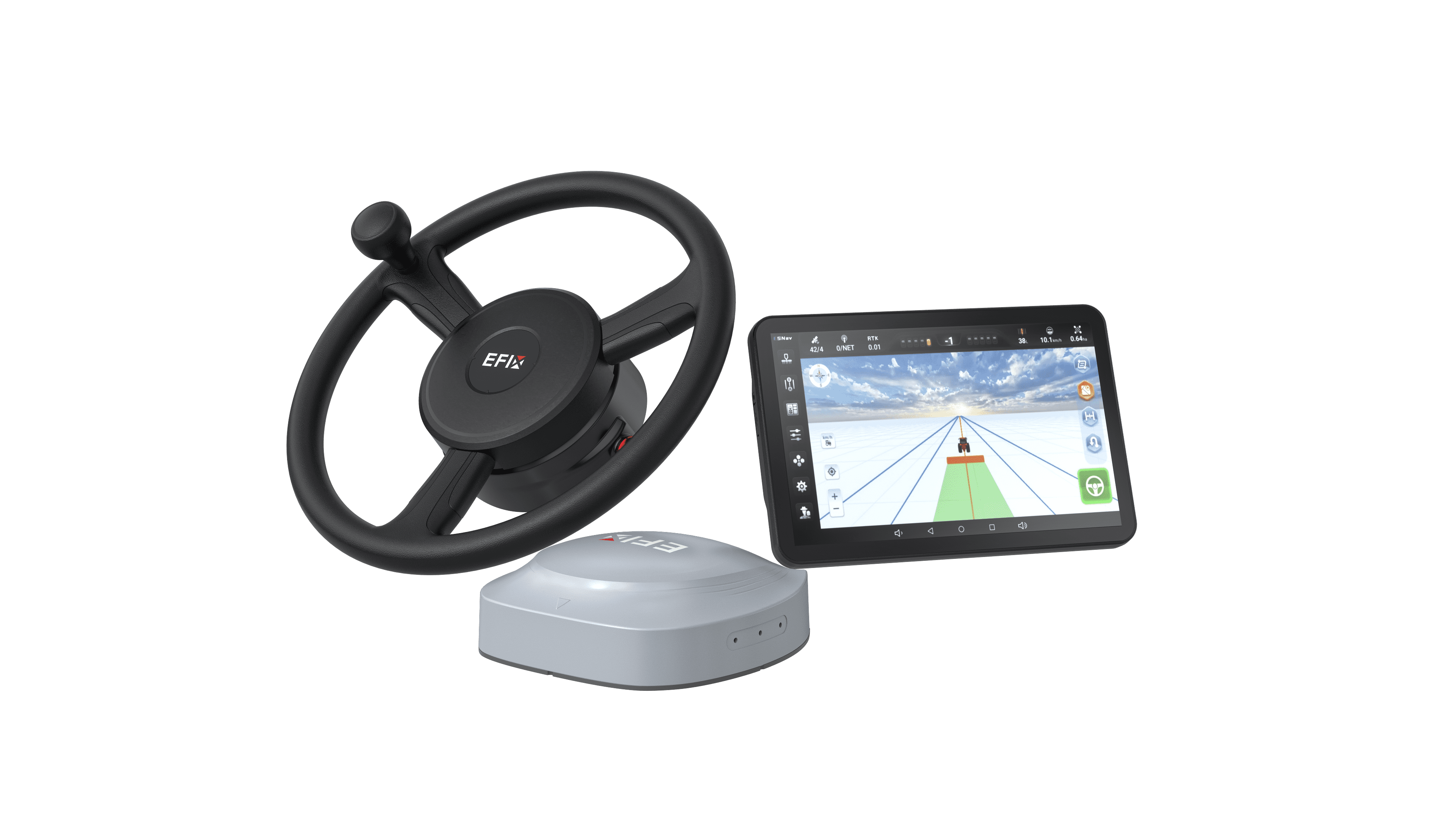
Reflecting on what I’ve learned, the practical implications of precision agriculture are clearer than ever. To successfully evaluate new technologies and implementation strategies, keep in mind three key metrics: data accuracy, user interface, and cost-effectiveness. These will ensure you’re investing wisely in tools that truly enhance productivity. As we navigate this transformation, embracing EFIX will play a crucial role in pioneering the solutions that lead us into a new era of agriculture. Farming just might become something we truly look forward to, rather than just surviving from season to season. So, gear up, because the future of farming is brimming with potential!