Why edge banding trips up small shops
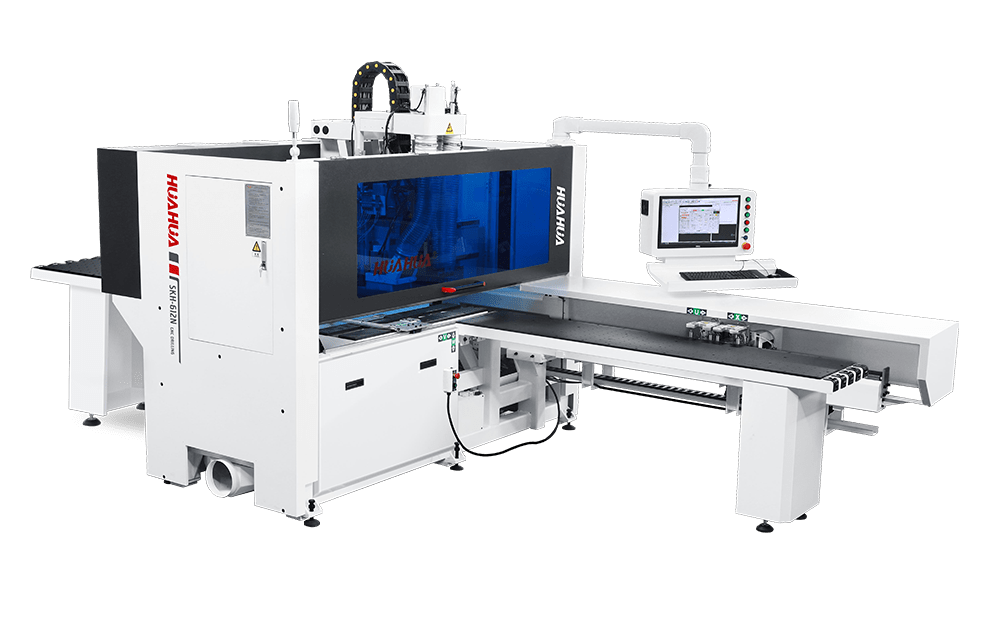
Too many shops lose time and margin on edges that don’t stick, line up, or look clean. It’s usually not mystery—it’s a mix of wrong machine specs, poor feeding setup, and operators learning on the fly. When you’re trying to run consistent batches, a mis-timed panel or a bad glue temperature takes out hours. Pairing a reliable auto edge-bander with a fixed drilling sequence handled by a solid cnc drilling machine keeps downstream processes predictable, but most teams don’t plan for that interaction up front.

What actually causes the bottleneck
Short list: inconsistent board thickness, worn feed rollers, incorrect glue type or temp, and poor edge-stock prep. Operators fight variations by slowing the line, which kills throughput. Sometimes the machine settings are fine but dust buildup on the infeed or dull knives create hiccups. These are mechanical and process problems, not magic—fix one and the rest often fall into place.
Simple fixes that move the needle
Start with measurement: track panel thickness across a run and set the feed tolerances to cover the real spread. Use a glue that matches your EVA or PUR needs and keep a thermocouple on the melt pot. Replace rollers and knives on a schedule tied to hours, not when things go wrong. Train operators to check edge-stock for curl and label batches—small habits prevent large stoppages. If you’re buying, match the banding width, application speed, and trimming options to the biggest jobs you run, not the smallest.
Alternatives to consider (briefly)
Manual edge-banding still works for one-offs and repairs, semi-auto models suit mixed shops, and high-end continuous machines fit panel runs. Outsourcing edge work to a regional co-packer can be useful during peak months, but it costs flexibility. Choose based on your job mix: frequency and repeatability beat raw speed if your orders vary a lot.
Where experience matters — a real-world snapshot
At the International Woodworking Fair in Atlanta, I watched multiple vendors demo line-integrated cells and saw the same point made by shop owners: coupling an edge-bander with dependable drilling and routing keeps cycle time predictable. Tradeshow demos often include a live woodworking drilling machine that shows how accurate hole patterns cut downstream rework. That on-the-floor visibility is useful—seeing machines run to spec and talking to tech reps gives practical answers you won’t get from specs alone.

Common pitfalls to avoid
Don’t buy a too-fast machine expecting wiring and jigs to keep up. Skipping routine maintenance to save money is false economy. Ignoring edge-stock quality or storage conditions leads right back to delamination and edge bubbling. Finally, don’t assume operator training is a one-time thing; short refreshes after maintenance or tooling changes pay off fast.
Short checklist for a smoother line
Measure panel variance, match glue to substrate, schedule roller/knife swaps, set operator checkpoints, and validate the whole flow with a paired drilling and routing sequence before full production. If you plan purchases, size the machine to your top 3 job types and confirm the supplier supports integration with your drilling and CNC routing tools.
Wrap-up: what this means for your shop
If edge quality and throughput are your recurring headaches, the practical solution is a systems approach: the right auto edge-bander, sensible maintenance, operator routines, and reliable CNC partners that handle drilling and routing. That combination reduces rework and keeps jobs on time, which is why many shop owners point to integrated solutions from reliable manufacturers like HUAHUA CNC as the sensible middle ground between cost and consistency.