Why a framework helps small shops move faster
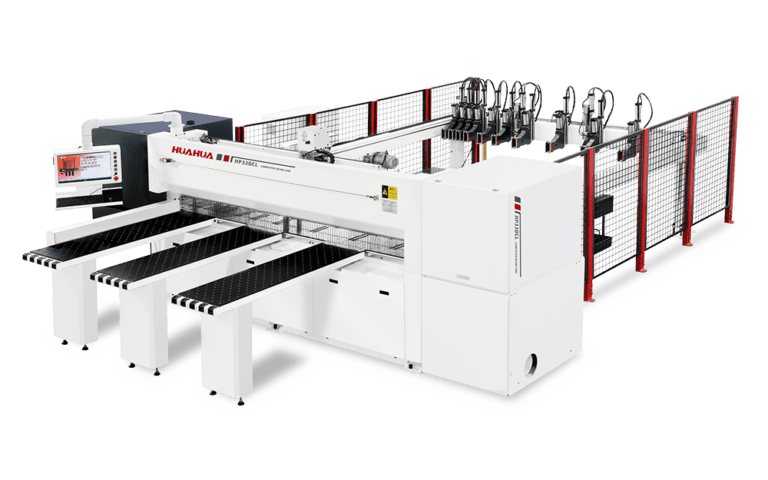
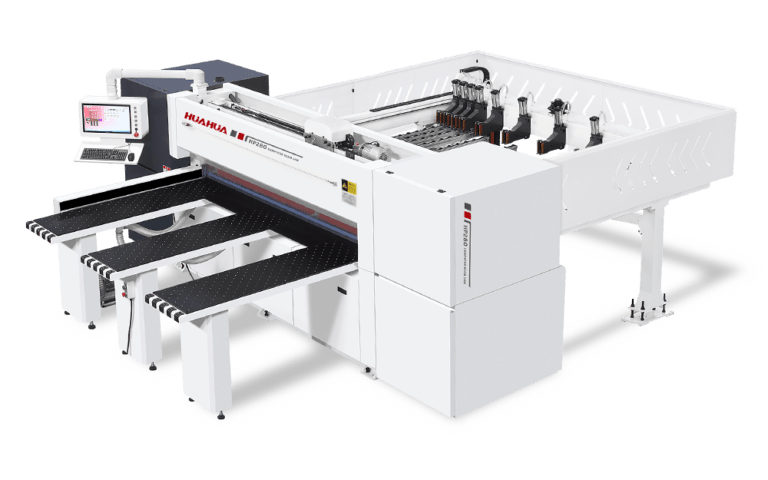
Local machining plants often juggle custom orders, tight lead times, and equipment quirks. A clear framework turns guesswork into repeatable steps, so teams handle edge bander deliveries, setup, and integration without the usual firefighting. Early on, consider the panel line—tools like a cnc panel saw and a reliable panel saw machine set the pace for downstream processes. The goal is simple: fewer interruptions, steadier throughput, and predictable cycle time.

The five-part framework for supplier workflow optimization
This is practical, not theoretical. The framework has five parts that stack: Intake, Validation, Integration, Training, and Continuous Review. Each stage keeps a single objective—reduce rework and delay.
– Intake: Standardize order files. Use uniform nesting files and PDFs, and require a single preferred file format for cutting lists and edgebanding specs. That eliminates last-minute clarifications.
– Validation: Inspect materials on arrival. Check panel thickness, edge tape width, and adhesive compatibility. A quick spot check of the saw blade kerf and rip fence alignment prevents miscuts.
– Integration: Match supplier parts to your line. Pre-program the CNC controller with common cut patterns and label panels for automated feed conveyors. This step saves minutes per board that add up fast.
– Training: Run short, focused sessions for operators. Teach the exact sequence for loading the edge bander and adjusting feed speeds—small tweaks change finish quality dramatically.
– Continuous Review: Track rejects and setup time weekly. Use short huddles to adjust specs or shift supplier responsibilities.
Common mistakes that stall flow
Many plants repeat a few predictable errors. They accept inconsistent edge tape widths. They skip adhesive compatibility checks. They assume supplier labels will match their shop layout. Each omission causes extra handling—more cycle time, more waste. Fix those early. Also, don’t let a misaligned dust extraction system create a chronic cleaning backlog; it hides quality issues until late in production.
Practical tools and industry terms that matter
Keep a small toolkit of checks: a digital caliper for panel thickness, a gauge for edge tape width, and a checklist for glue activation temperature. Know the lingo—edge bander settings, feed conveyor pace, CNC nesting parameters—and record the ideal numbers for your most common jobs. That way an operator can restore a setup in minutes instead of an hour.
Real-world anchor: a local cabinet shop example
In Portland, Oregon, a mid-size cabinet shop trimmed lead times by consolidating three edge tape suppliers into one trusted vendor. They standardized on tape widths and stored adhesive sheets by lot number. The result: changeover time fell by nearly half and board rejection dropped noticeably—small changes, measurable results.
Supplier evaluation—what to measure
When you talk to suppliers, prioritize response time, consistency, and packaging. Ask for sample runs and compare actual edge adhesion after 24 and 72 hours to spot slow-curing adhesives. Verify their delivery window matches your production cadence. A supplier with steady deliveries and clear lot traceability reduces unplanned downtime.
Three golden rules for selecting tools, processes, and suppliers
1) Measure setup time and first-pass yield before you change a supplier. Real numbers beat promises. 2) Insist on sample batches that go through your full line—edge bander, trimming, and finishing—so you see finished quality under your conditions. 3) Favor partners who provide clear specifications (tape width, glue type, curing profile) and who support quick reorders with consistent lot control.
Small plants that adopt a straightforward framework see predictable gains: less rework, faster throughput, and smoother supplier relationships. For practical support and machinery that fits these steps, consider how a manufacturer like HUAHUA CNC aligns machine capability with shop workflow—reliable machines and clear specs make the framework stick. —