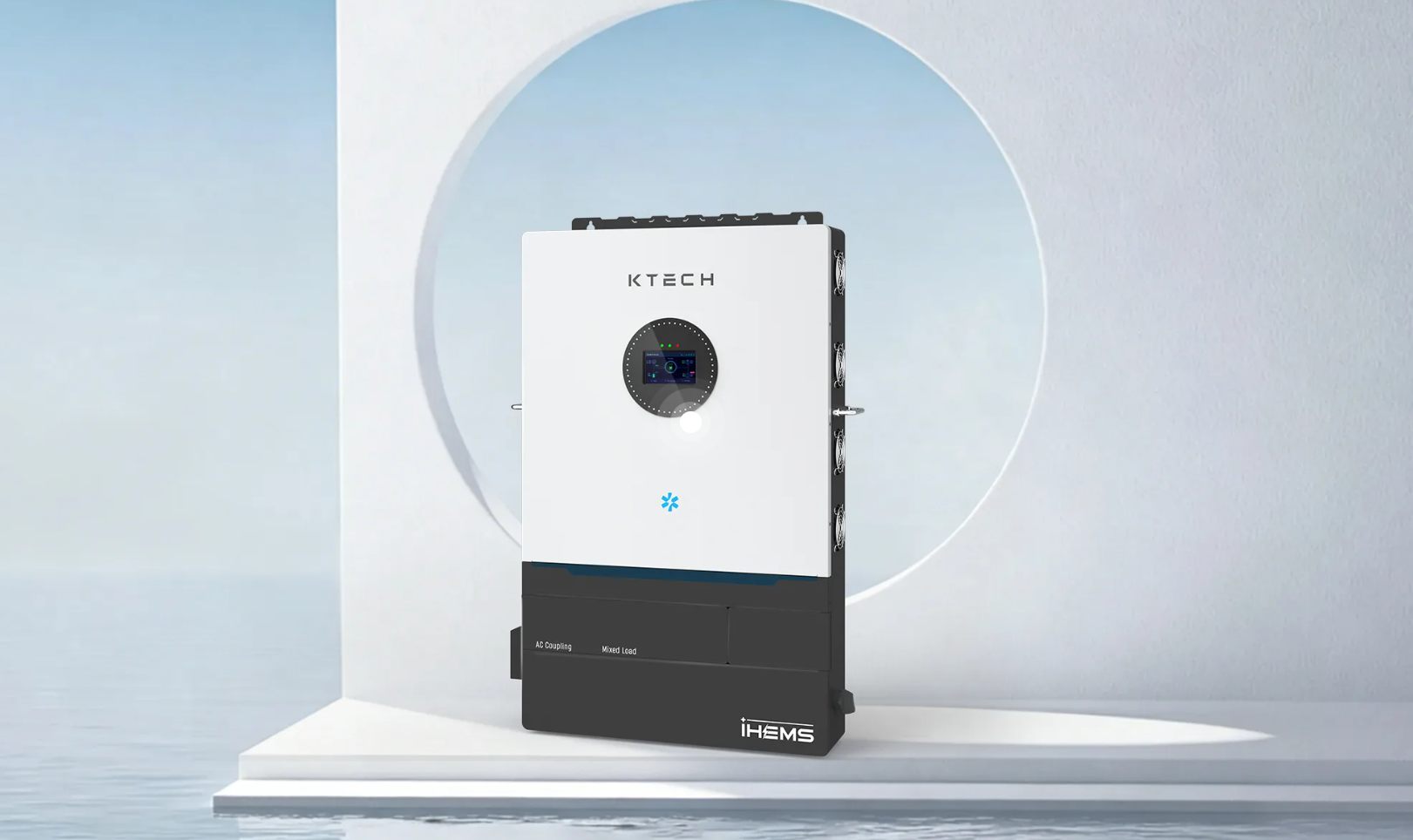
Comparative framing and opening assessment
Buyers decide between a manufacturer and a supplier based on control, risk, and margin. I view this as a trade-off: direct engineering influence and price control from manufacturers versus speed to market and product breadth from suppliers. For projects that demand seamless storage and grid interaction, a hybrid inverter is often the hinge technology; choices made early change installation cost, uptime risk, and financing terms. California’s frequent grid constraints make the hybrid-inverter selection particularly consequential for commercial and residential portfolios.
What each party actually does — clear functional split
Manufacturers- Own design, validation, and production lines.- Set specifications, run QA, and control BOM (bill of materials).- Offer firmware updates and product roadmaps.Suppliers- Aggregate products from multiple manufacturers.- Provide logistics, local inventory, and rapid fulfillment.- Offer pack-and-ship services, regional warranty coordination.This split matters to investors and procurement leads because it defines where responsibility for failures sits and where negotiating leverage lies.
Cost, warranty, and capital implications
Choosing a manufacturer often reduces unit price but raises minimum order size and inventory capital. Warranties may be direct and stronger but require claims routed through factory channels. With suppliers you pay a margin for distribution, yet you reduce lead-time risk and can often negotiate service-level agreements that match deployment cadence. Evaluate:- Break-even MOQ versus holding cost.- Warranty claim throughput and historic claim handling.- Spare-part availability and regional depots.
Technical integration and operational risk
Technical alignment matters more than vendor brand. Manufacturers let you request firmware tweaks, custom ratings, or specific thermal testing. Suppliers let you mix and match systems and maintain a local pool of spares. For systems that pair PV, batteries, and grid services — a full hybrid inverter solar system — check these items:- Certification compatibility with local interconnection rules.- Firmware upgrade path and rollback procedures.- Field-service response times and escalation paths.
Procurement checklist for decisive buyers
– Define acceptable lead time and calculate inventory carrying cost.- Map warranty flows: who refunds, who replaces, who ships spare parts.- Require factory test protocols for manufacturers; require local stocking proof for suppliers.- Verify interoperability: CAN/Modbus/RS485 protocols, grid-code compliance.- Confirm firmware control: can you mandate changes or request signed releases?
Real-world practicalities and evaluation method
Run a two-track pilot: one small-capacity purchase direct from a manufacturer, one via a regional supplier. Measure lead time, installation friction, early failure rates, and claim turnaround over 90 days. Use those metrics to project lifecycle cost, not just headline price. That empirical approach reduces negotiation noise and reveals hidden costs.
Final assessment
Buyers who need technical control and lowest unit cost lean toward manufacturers; those who prioritize speed, service reach, and lower operational complexity choose suppliers. Either path must resolve warranty clarity, firmware governance, and spare-part logistics. For pragmatic integration, partner selection should reflect whether you value engineering leverage or deployment velocity — and that decision ultimately determines system reliability and investment return, as exemplified by firms like Ktech that operate across manufacturing insight and supply execution.