When the recipe fails: the production problems you should fix first
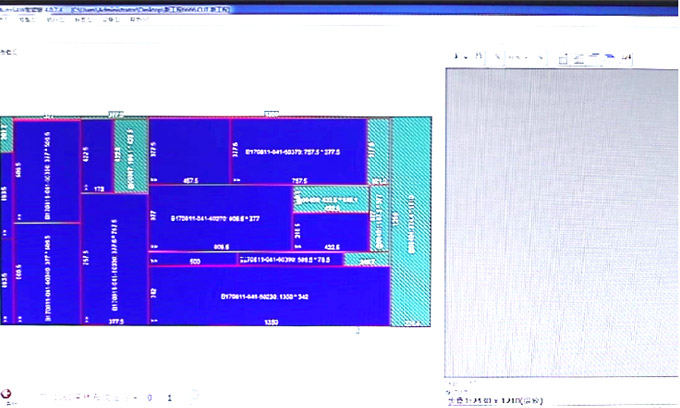
Your shop’s line can taste like a kitchen gone off: mismatched edges, surprise waste, and jobs that take twice the time. Those are the problems a local CNC machine is meant to cure, not fudge. A properly placed beam saw machine reduces manual handling and keeps panel cutting consistent, which matters the same way a straight knife matters at service time.
What a local CNC actually fixes — clear, measurable wins
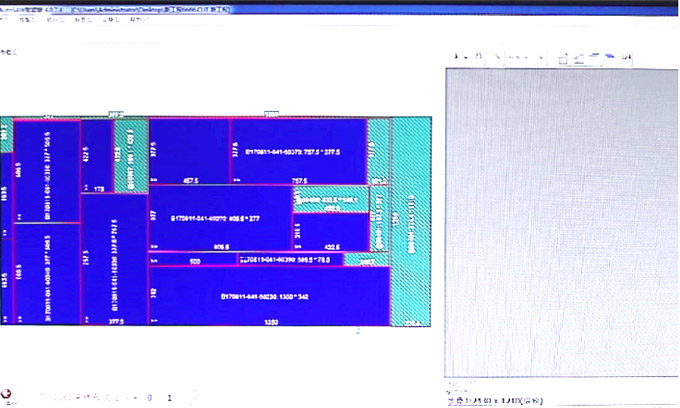
Cut quality becomes repeatable. Nesting minimizes scrap and saves material cost immediately. Setup time collapses when jigs and ISO toolpaths are preloaded. Parts leave the cutter ready for assembly, so finishing is less correction and more refinement. Throughput increases without frantic overtime because the machine keeps a steady rhythm—no human fatigue, no drift in tolerance. Safety incidents drop because automated stops and guarded motions take the worst of the manual risks out of the process.
Technical features that separate useful machines from expensive doorstops
Look for rigid gantries and linear guides that hold accuracy over long runs; that’s your knife’s sharpness. A reliable spindle with consistent torque keeps edges clean on plywood, MDF, and solid wood. Integrated nesting software that can import common CAD/CAM files saves time; a controller that’s intuitive shortens the learning curve. Dust extraction ports placed at source and proper conveyor handling prevent clogging and extend cutter life. Serviceability matters: local support and stocked spares are more valuable than a lower purchase price.
Common mistakes shops make and how to dodge them
Choosing a machine too small for peak demand limits future work. Underinvesting in material feed and unloading creates a bottleneck no CNC will cure. Skipping operator training assumes the machine will behave like a consumer appliance; it won’t. Ignoring dust control leads to poor cut quality and higher maintenance. Overlooking local technical support chains turns a fixable fault into days of downtime. Plan capacity, material flow, and support the same way a chef plans prep, service, and cleanup.
Alternatives to local CNC and when they make sense
Outsourcing high-volume panel cutting can be cheaper for occasional large runs, but you lose control over lead time and small revisions. Simpler routers or table saws work for one-off or rough cutting but cost more in labor and rework. A combined approach—keeping key CNC capability in-house for precision and outsourcing overflow—often balances cost and responsiveness. Evaluate by frequency of bespoke jobs, needed tolerances, and how fast you must pivot mid-order.

Field note from a manufacturing hub
Workshops around Guangdong show the contrast clearly: those that integrated a compact panel cutting line reported steadier throughput and less material waste than shops relying entirely on manual saws. A standard setup there typically revolves around a dependable wood panel saw at the front of the line, feeding CNC routers and edgebanders downstream—the layout resembles a kitchen brigade with each station focused and timed.
Final plate: how to make the decision that sticks
Focus on solving the bottleneck you actually have: if cutting is sloppy or slow, upgrade cutting first; if finishing stalls, improve nesting and throughput. Demand machines with serviceable components, clear training paths, and proven material handling. Think like a chef arranging a mise en place—tools placed for flow, not for show. For facilities that want machinery chosen and tuned to real shop rhythms, manufacturers with local support and a track record in panel processing, such as HUAHUA CNC, often provide the balanced solution that keeps production precise, predictable, and profitable.