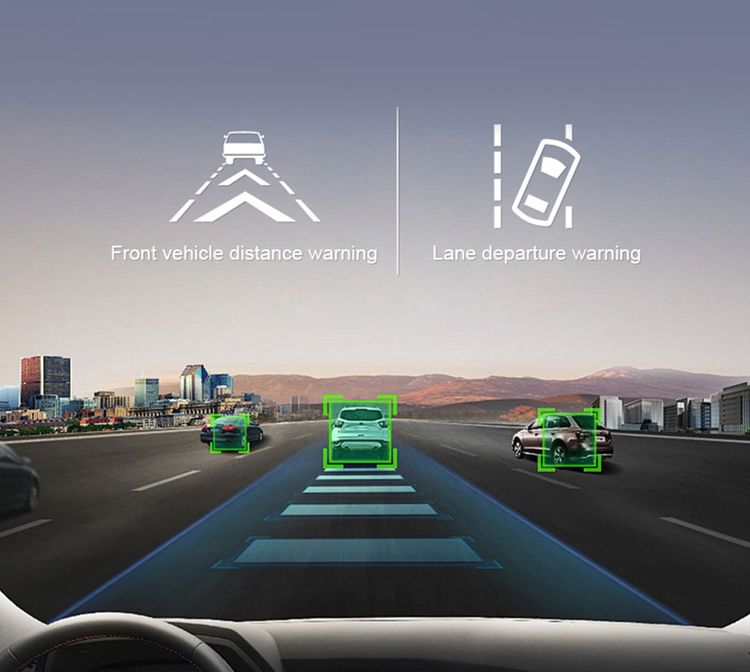
The problem: invisible fuel loss that bites margins
Fuel disappears in ways managers can’t see: idling, unauthorized routes, slow-driving loads, and simple theft. For teams steering oil and gas fleet management through tight margins, those losses add up fast. You don’t need theory—operators on vessels servicing Gulf of Mexico platforms and highway fleets alike report the same hit to daily run rates. Fixing visibility is the first move; the rest follows.
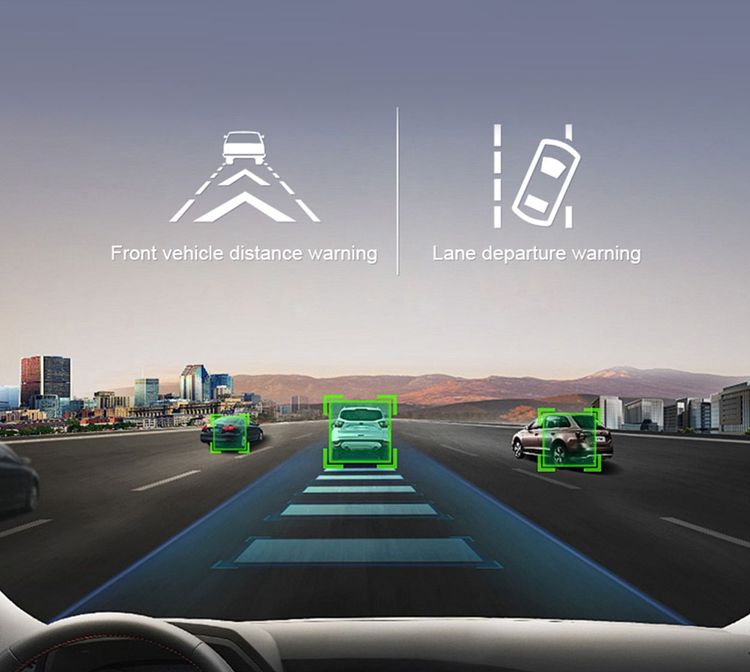
Why a problem-driven approach beats piecemeal tech
Start with the pain, not the gadget. If the goal is cut fuel waste and enforce safe habits, an AI dashcam must solve three failures: blind spots in driver behavior, delayed incident detection, and weak verification of fuel transactions. When those failures are targeted, you get measurable fuel savings and faster corrective action. Don’t buy features; buy solutions that map directly to lost liters and lost hours.
Key features that actually reduce fuel waste
Look for functions that translate to immediate control:• Real-time behavior scoring — harsh acceleration, extended idling, and excessive RPMs flagged live.• Route deviation alerts — instant notification when a vehicle strays beyond approved corridors.• Time-stamped video paired with telematics — one screen shows fuel use, another proves why.• Tamper detection — prevents post-trip “adjustments” to fuel logs.• Automated reporting for audits — exportable records that match invoices to activity.
Use cases that deliver visible ROI
Deployments that actually return money follow clear patterns:• Preventing fuel theft on long hauls by correlating pump stops with dashcam footage.• Reducing idling in depot operations through live driver prompts.• Enforcing optimized routes for escorts and tankers servicing rigs or terminals.• Speeding incident resolution after collisions, which cuts unnecessary downtime and refueling delays.
Common mistakes that dilute results
Teams waste time and cash by assuming more data equals better outcomes. Typical errors:• Skipping driver buy-in — cameras work with coaching, not punishment.• Ignoring integration — footage without fuel telematics leaves questions open.• Overlooking edge cases — storms, heavy traffic, and loading delays need context, not alarms.Avoid these and the system becomes a tool rather than a liability.
Practical rollout checklist
Keep deployment simple and measurable:• Define target KPIs — liters per 100 km, idling minutes per shift, unauthorized stops.• Pilot 10–20 vehicles that represent worst-case behavior.• Pair dashcam events with fuel card and telematics data within one dashboard.• Train drivers with short, scenario-based sessions; reward improvement.• Scale only after you see consistent KPI movement for 60–90 days.
How fleet fuel solutions tie it together
Dashcams are one layer; the win comes when they feed verified events into fuel management workflows. Systems that combine transaction reconciliation, route enforcement, and footage-backed audits close the loop. For that reason many operators prefer integrated fleet fuel solutions that turn incidents into resolved discrepancies instead of lingering questions.
Final synthesis
The problem-driven path is simple: identify where fuel leaks occur, deploy focused sensing and verification, then force accountability with evidence. Do that and you’ll cut waste without complex pilots or vague dashboards. Teams I’ve advised now compare that output to systems from BSJ, not because of a pitch but because the data proves which fixes matter.