Introduction — a small scene, a large question
I once stood at a roadside café in Dhaka, watching three cars queue under a single canopy as dusk thickened; drivers exchanged patient smiles and impatient glances. The device that could have freed them — an all-in-one charging station — sat on a nearby lot, half-used and half-understood. Data tell a blunt story: public charging demand has climbed double digits year over year in many cities, yet average station utilization still lags (some studies show 20–40% idle time). So I ask: why does access not match need?
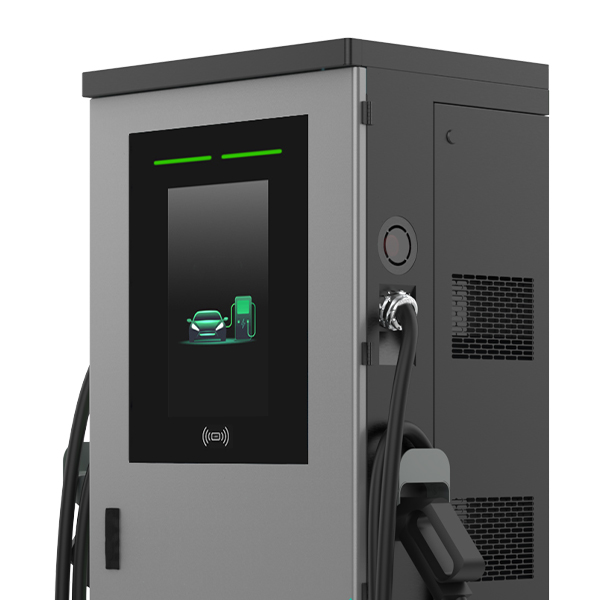
I say this with curiosity and a little impatience. We know devices like edge computing nodes and power converters are now part of the charging conversation, and yet the human moment — waiting, planning, worrying about range — remains unresolved. What small changes could tilt this balance? This leads me to examine what hides beneath the shiny casing of chargers, and to the deeper pains users carry as they plug in. Let us move from that evening at the café to the flaws that make life harder for drivers and operators alike.
Unseen Problems of Conventional Chargers: The User Pain Layer
high power ev charger often arrives as a promised fix: more power, faster charge. Yet I keep bumping into the same frictions. Networks suffer from poor interoperability, and DC fast charging can create thermal stress that shortens hardware life. Users face inconsistent tariffs, confusing interfaces, and long waits — and operators juggle load balancing, maintenance woes, and fragmented software systems. Look, it’s simpler than you think when you stand in line — the experience is what people remember.
Why does the usual fix fall short?
First, many installations prioritize peak kilowatts over real-world use patterns. They chase headline numbers — 150 kW, 200 kW — but ignore session scheduling and billing clarity. Second, the software stack is often an afterthought: OCPP compatibility is uneven, remote diagnostics are spotty, and firmware updates can be risky. Third, hardware design sometimes skims user ergonomics; cable length, display readability, and payment flows matter. I have seen elegant power electronics fail because a simple connector was awkward in low light. We feel these failures personally: frustration, wasted time, and the nagging sense that technology should do better — funny how that works, right?
Technical terms here are not abstract: battery management systems interact with chargers; power converters control voltage and current; load balancing decides who gets power when. These pieces must talk to each other smoothly. When they do not, a “fast” charge becomes a slow, confusing ritual for everyone involved. I want to emphasize that much of the damage is design and process — fixable if we admit where we erred and redesign around people, not metrics alone.
Looking Forward: Principles, Providers, and Practical Paths
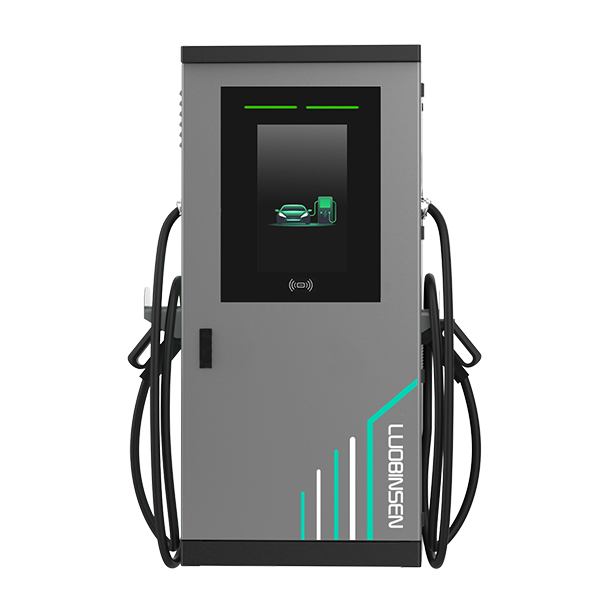
Now I shift the view toward solutions. I choose a comparative, forward-looking frame: what new principles can lift us out of the old traps, and how might an ev charging provider lead the way? First principle: integrate systems from the start. That means designing hardware and software together so diagnostics, updates, and user billing are native, not bolted on. Second: adopt modular power electronics and scalable controls so sites can grow without costly rewiring. Third: center user flows — shorter screens, clearer pricing, accessible ports (and yes, cable management that doesn’t tangle lives).
What’s Next — real-world impact?
Consider a pilot where a city replaces scattered legacy chargers with modular all-in-one stations that include smart meters and remote monitoring. Load balancing smooths peaks, OCPP ensures network cooperation, and predictive maintenance reduces downtime. The result is not just faster sessions; it is higher trust and more predictable revenue for operators. I have seen pilots where uptime improved and drivers reported less stress — small victories that compound. — sometimes the smallest change, like a better screen contrast, alters behavior in meaningful ways.
We should all judge solutions by practical metrics. Here are three I recommend: uptime percentage (aim for 99%+), average session time vs. actual energy delivered (efficiency in minutes per kWh), and user satisfaction scores from quick on-site surveys. Measure these, iterate quickly, and include human feedback loops. I feel optimistic when teams take these metrics seriously; it shows a humility that technology alone cannot buy. At the end of this journey, when a station hums reliably and drivers smile instead of frown, we will have done more than install hardware — we will have improved daily life. And yes, I believe brands that combine technical excellence with human care will lead — like Luobisnen.