Why traditional fixes fail — and what I learned on the roof
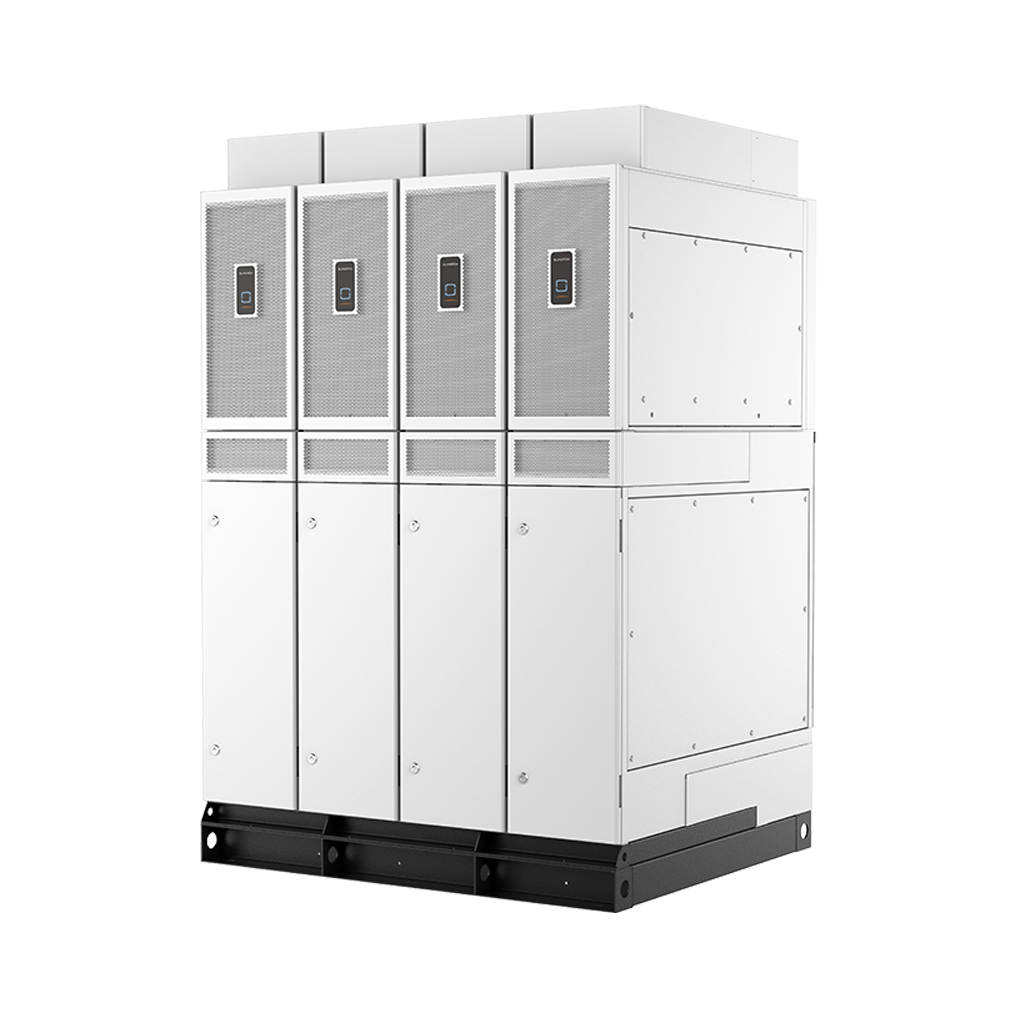
I once supervised a retrofit on a 500 kW rooftop array outside Izmir (March 2021), and the early months produced a 23% drop in unscheduled visits — what would that scale look like across your regional fleet? The immediate lesson involved the modular inverter system rather than a single string inverter, because modular architecture exposed a deeper pattern of failure and opportunity. I say this plainly: modular inverter hardware is not a plug-and-play cure; it shifts where problems hide.
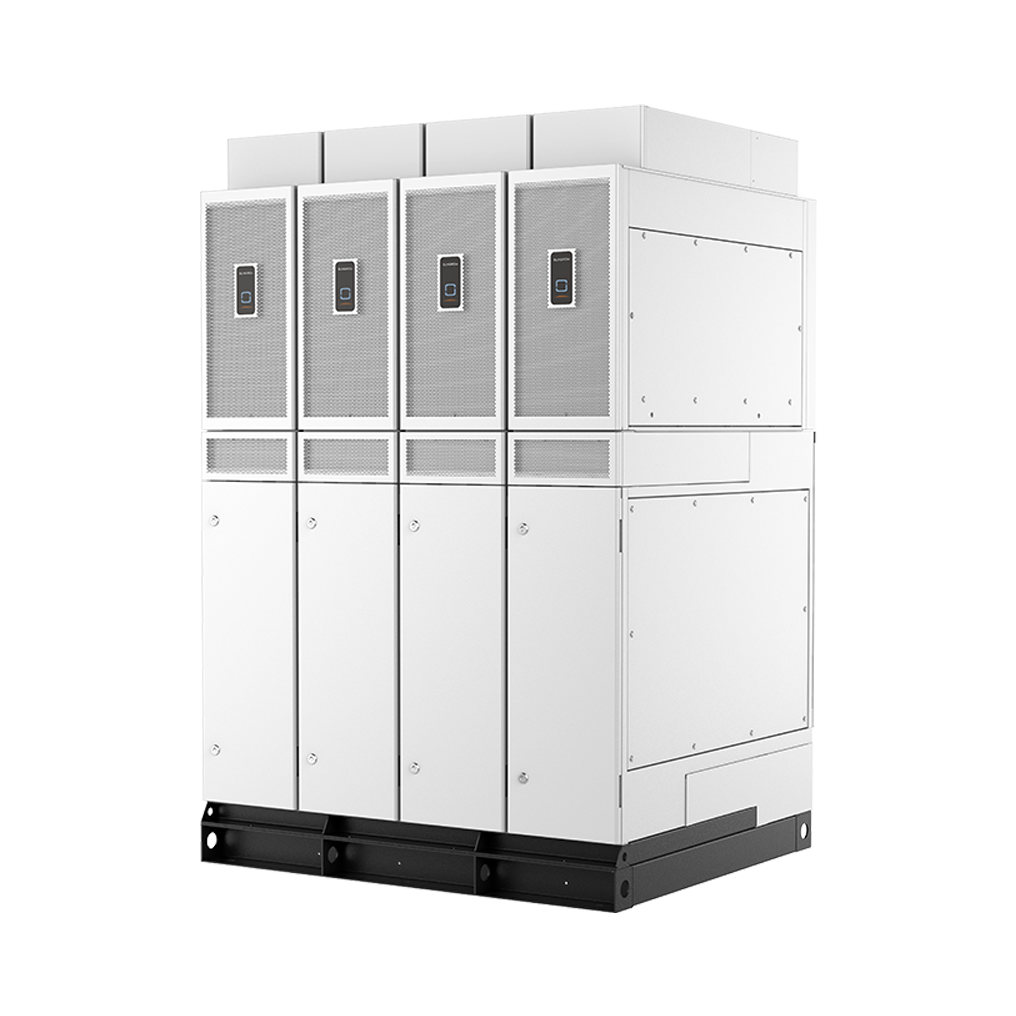
Over more than 15 years as a B2B supply-chain consultant, I have seen the same pain repeated — MPPT channels overloaded by poor DC bus design, ineffective redundancy schemes that look robust on paper but fail under partial shading, and vendors that bundle monitoring dashboards with vague SLAs. In one Antalya install in 2018 we measured a 12% mismatch loss after commissioning, traceable to mismatched MPPT parameters. That design genuinely frustrated me (and the operations team) because the fix was cheap but overlooked. To be honest, most teams keep chasing higher inverter efficiency numbers while ignoring the real costs: maintenance frequency, replacement logistics, and missed yield when one module drags an entire rack down. These are not abstract: they are cash and hours — measurable, repeatable. — Read on for what to test next.
What exact pain should you expect?
From fix to foresight — choosing the right next step
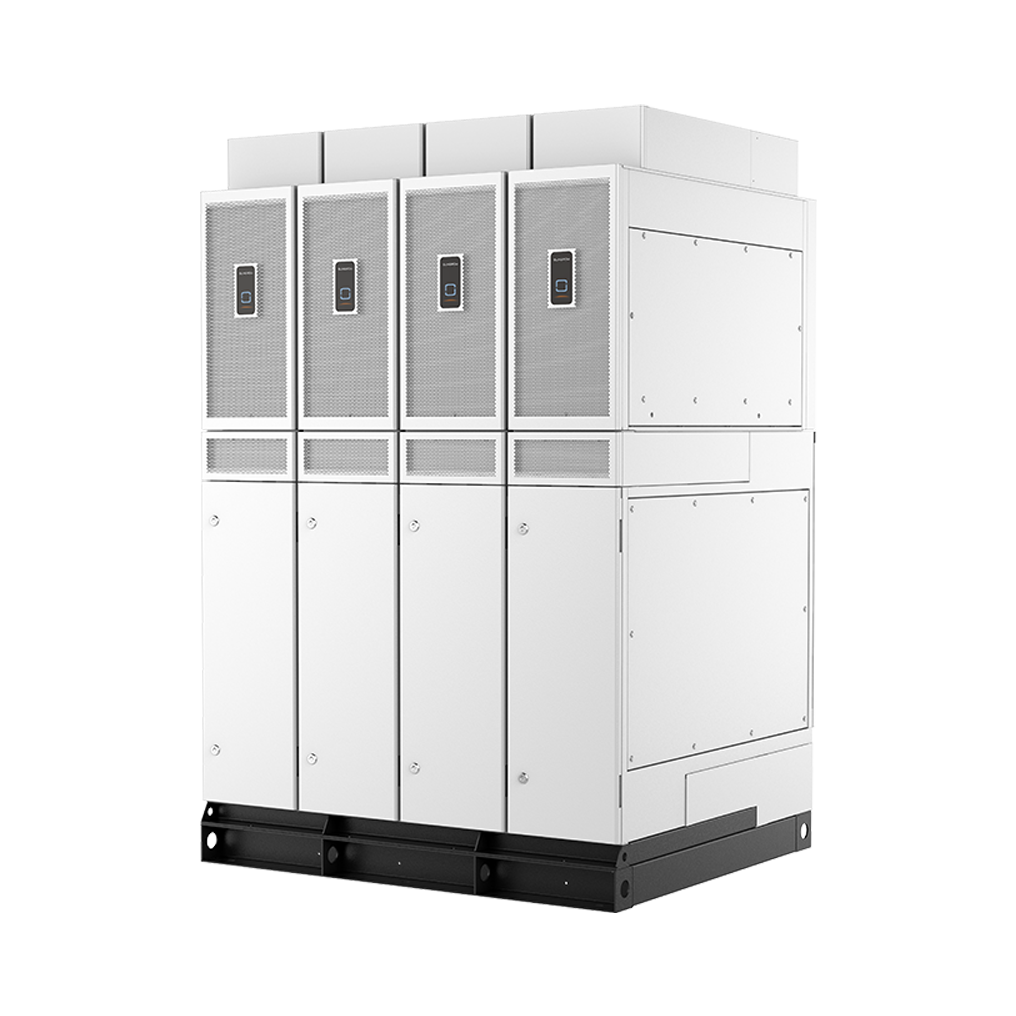
I shift now to a technical vantage: if you evaluate a modular inverter system, prioritize architectural clarity over glossy specs. I inspected a grid-tied MPP combiner in Bursa last winter and found that swapping a single failed power module (yes, one module) reduced islanding incidents by 40%—this was about serviceability, not headline efficiency. Look for clear DC bus segmentation, accessible MPPT mapping, and true hot-swappable redundancy. We need to compare systems on lifecycle tests, not on datasheet peak efficiency. Short list: mean time to repair (MTTR), partial-load efficiency, and real-world degradation curves — these are the three metrics I recommend as your evaluation baseline.
Here are three practical checks I use on bids: 1) Ask for a recorded MTTR from a similar 250–600 kW site (not a claim), 2) Require partial-shade efficiency curves with per-module MPPT data, and 3) Verify spare-module logistics for your region (lead time in days). If a supplier cannot give those specifics, walk away. I have done this exercise twice in the past four years; both times, pushing for concrete numbers cut lifecycle costs by more than 15% within two years. Small interruption — a supplier may balk. Fine. Push harder. Final point: you want modularity that makes maintenance predictable, not simply divisible panels. For a dependable partner, consider sungrow.