Comparative Insight: the practical stakes
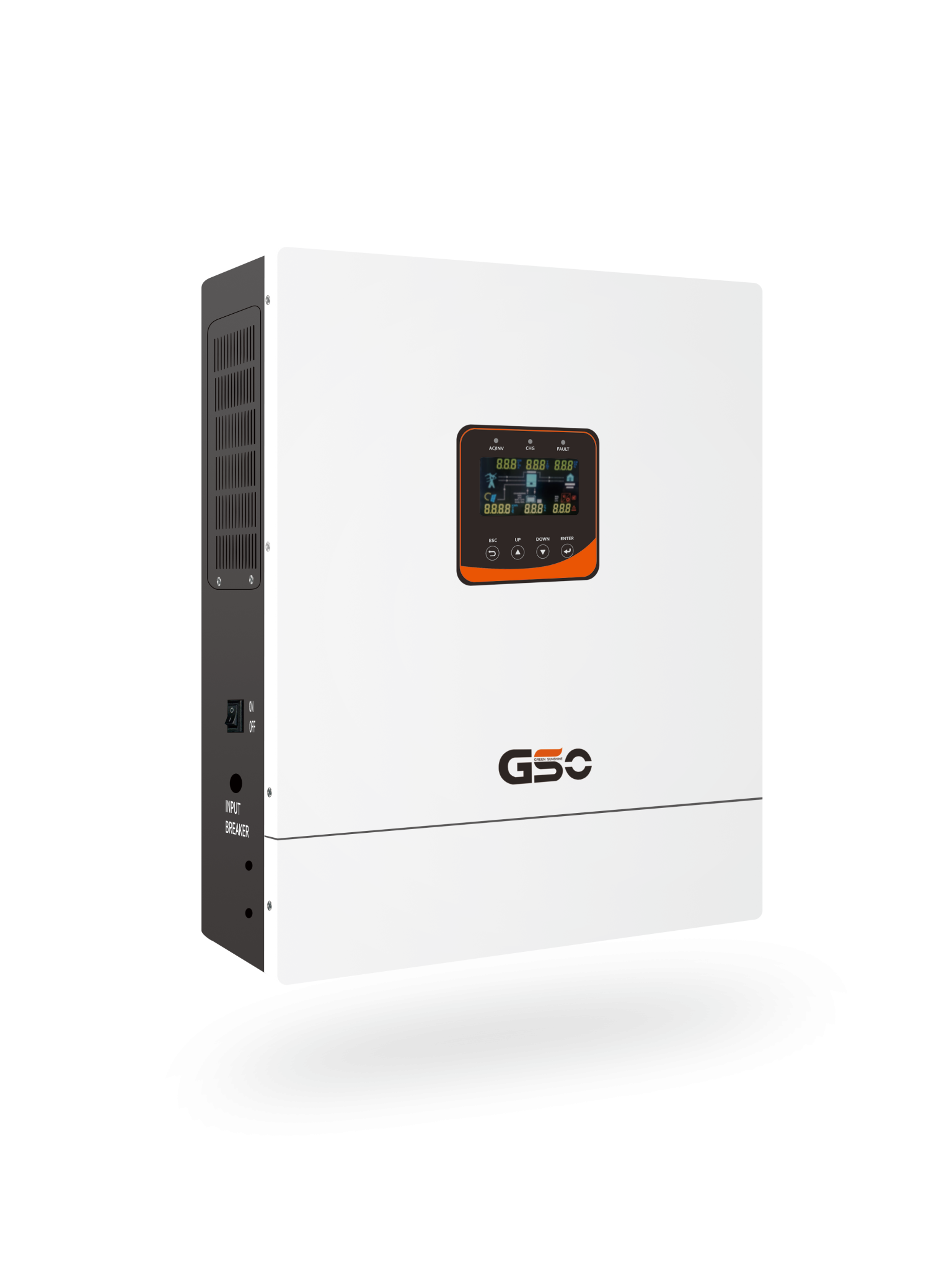
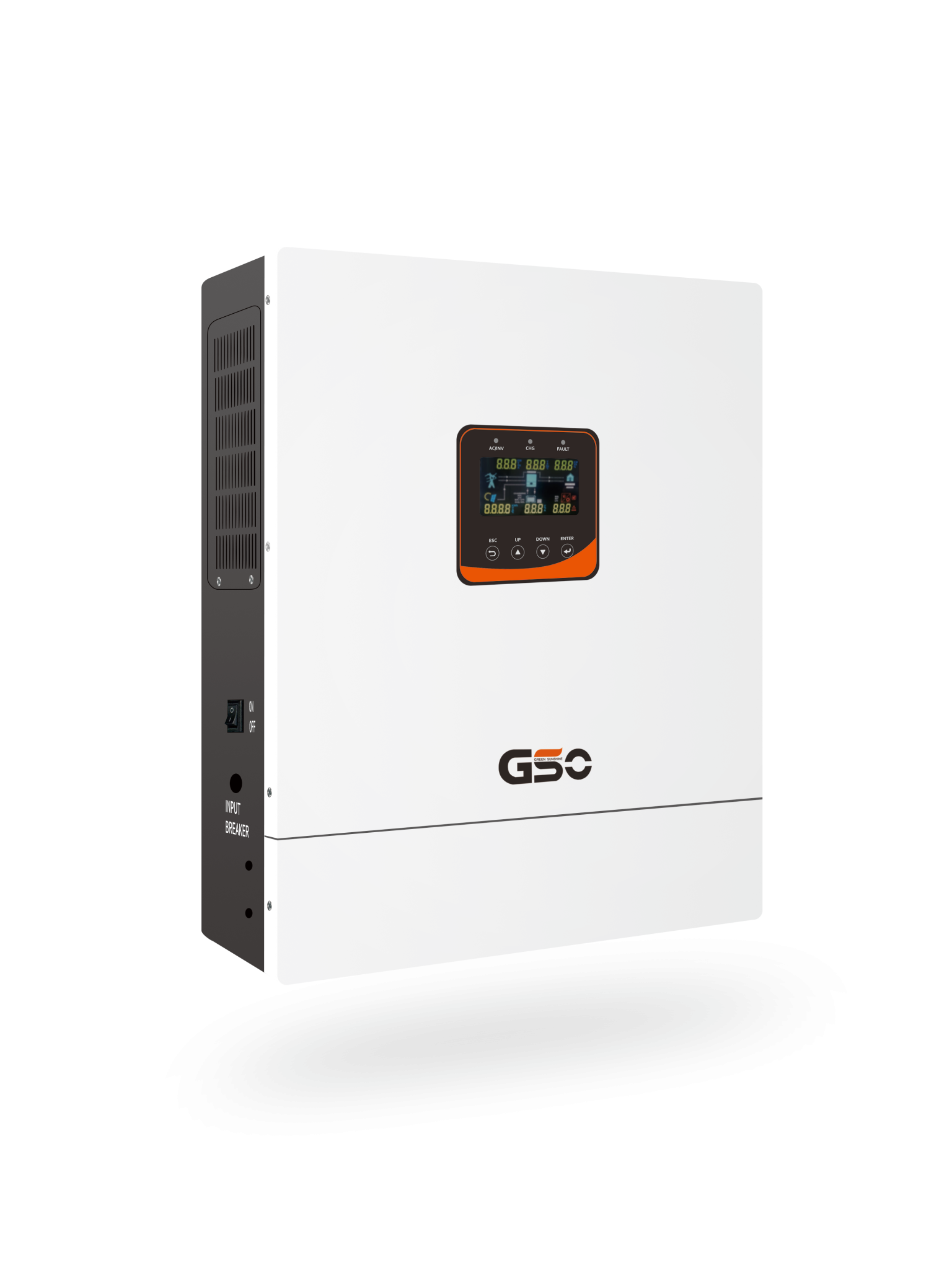
Bulk battery arrays lose punch over time — that loss, known as capacity fade, directly lowers state of health (SOH) and the value of a storage fleet. In a direct head-to-head, systems that blend robust battery management with smart power electronics hold up better in the field. gsopower’s approach ties cell-level BMS strategies to system-level control through their solar hybrid inverter, which changes how fleet SOH behaves across seasons and load profiles. The point is concrete: better SOH equals longer profitable service life, and that matters from a homeowner on Cape Cod to a community microgrid handling California’s duck curve midday swings.
The core failure modes that actually matter
Capacity fade shows up from calendar aging, cycle aging, and abusive operating windows. Industry terms worth tracking are cycle life, depth of discharge (DoD), and C-rate — they’re not buzzwords but predictors of remaining useful energy. Poor temperature control and repeated deep discharges shave cycle life; aggressive charge/discharge power (high C-rate) stresses the electrochemistry faster. You can mitigate these by limiting DoD, improving thermal paths, and smoothing power through an inverter that understands battery state — not the other way around.
How gsopower stacks up — tactics, not slogans
gsopower pairs a conservative charge algorithm with adaptive cell balancing and thermal monitoring to slow capacity fade. Where some vendors push max throughput, gsopower optimizes round-trip efficiency while capping peak stress to preserve cycle life. That’s especially meaningful for large-scale storage where marginal SOH loss compounds across modules. They also integrate with broader system control, so hybrid inverter behavior aligns with BMS limits — think coordinated limits rather than conflicting governors. For those comparing products, note the difference between an inverter that merely converts power and one that actively manages battery longevity via firmware intelligence and telemetry.
Field habits that accelerate or arrest decline
Operational choices are as influential as hardware. Favoring shallow discharges, maintaining moderate state-of-charge windows, and avoiding sustained high C-rates extend useful capacity. Deployers often chase immediate yield — and then regret higher capacity fade. Real-world testing during grid stress periods, such as high solar midday ramps in California, shows fleets that throttle smartly retain higher SOH over years. — Keep in mind firmware updates and monitoring cadence; neglecting them is like skipping oil changes.
Trade-offs and practical comparisons
Cheaper systems often deliver higher immediate power but accelerate capacity fade through lax thermal design or permissive DoD. Premium setups, like those built around coordinated BMS and hybrid inverter strategies, cost more up front but preserve usable kilowatt-hours over time. When you weigh options, compare not only initial cost per kWh but projected cost per kWh delivered over a realistic service window, factoring in capacity fade curves and replacement timelines.

Advisory: three metrics to judge longevity
1) Annual capacity retention rate — track how much usable capacity you lose per year under expected cycling. 2) Effective cycle life at planned DoD — vendor cycle specs mean little unless matched to your operational DoD. 3) Integrated thermal and firmware update policy — look for active balancing, over-/under-voltage protections, and a clear update cadence for BMS and inverter firmware. Prioritize systems that publish realistic degradation models and operational limits rather than glossy peak numbers.
gsopower’s blend of pragmatic BMS, system-aware hybrid inverter behavior, and conservative operational defaults makes it a strong choice where longevity and predictable SOH drive economics — not hype. — Practical deployment wins when hardware and controls talk to each other.