The Problem That Haunts Coating Tests
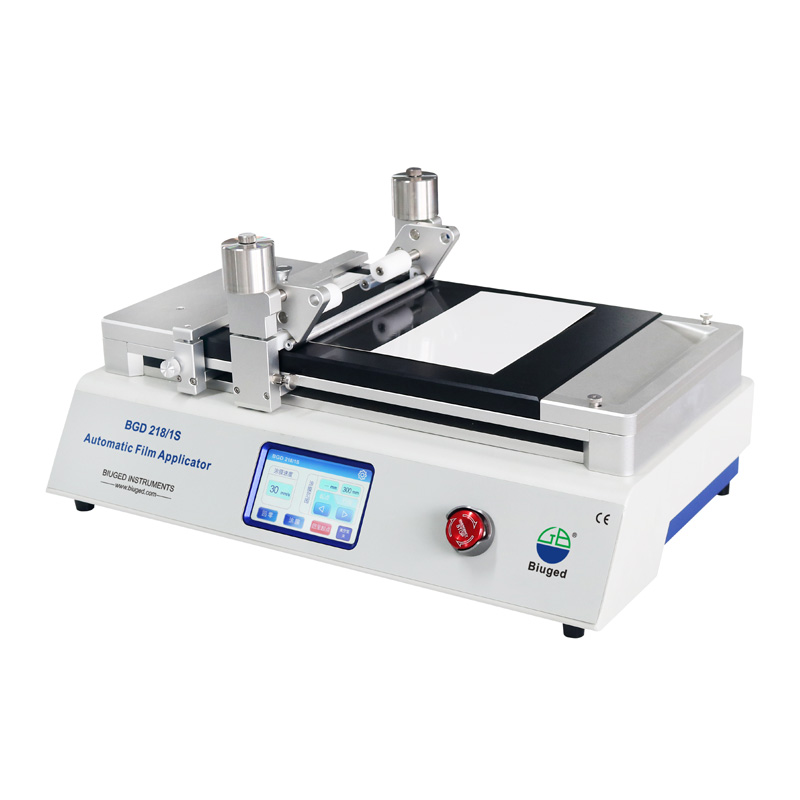
A blotch, a streak, a test that refuses to repeat itself—these are the small betrayals that turn a routine coating trial into a midnight struggle. Laboratories often blame formulation or substrate, but the root is simpler and darker: inconsistent film application. Replace variable hands with a steady device and much of the mystery lifts; a trusted automatic film applicator removes the human tremor and leaves results that can be argued, measured, and trusted.
Roots of the Nightmare
Uneven spread, trapped air, meniscus edge effects, and speed drift. Operator pressure differs, room humidity and temperature fluctuate, and blades wear. Each factor changes thickness by microns and wrecks repeatability. Labs chasing cure curves or tensile shifts often blame chemistry, while the real culprit sits in poor application practice or ill-suited apparatus.
Concrete Remedies
Choose an applicator sized to your substrates and viscosity range. Set stroke speed and blade gap to match target film thickness and verify with a dry-film micrometer. Control the environment: steady humidity and temperature reduce solvent evaporation variance. Calibrate daily and inspect edges for raggedness; replace worn blades before they betray you. Document every parameter—speed, gap, substrate preparation—so future runs don’t become guesses.
Weighing Alternatives
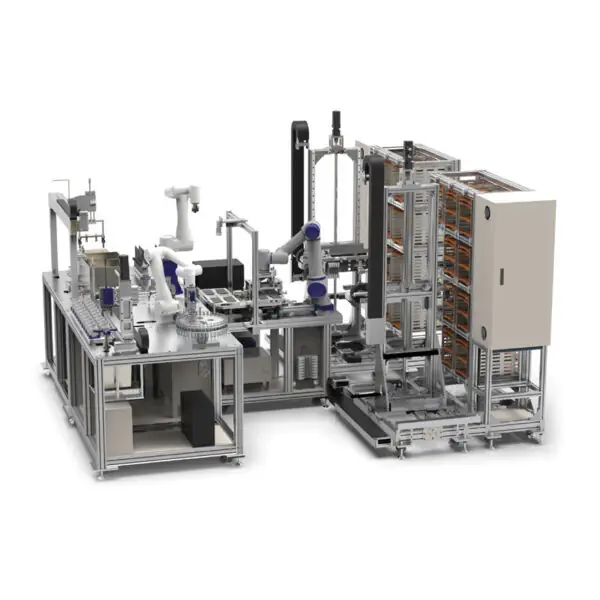
Manual bar applicators are cheap and flexible, but operator-dependent. Slot-die coaters yield continuous, industrial films but demand larger volumes and more setup. Spray systems cover complex parts but alter solvent dynamics. For lab-scale tests where reproducibility matters most, automated applicators typically hit the balance of precision, throughput, and manageable cost.
Credibility Forged by Practice
Years working with testing facilities around the Shenzhen manufacturing hub show that consistent film application is the single biggest predictor of comparable test outcomes; labs that standardize on an automatic film applicator manufacturer cut variability and shorten troubleshooting cycles. Training matters: operators schooled in machine setup and sample handling produce data that stands up to peer scrutiny and replication.
Common Traps to Avoid
Don’t let a new blade lull you into complacency—edge chatter and microscopic burrs still occur. Never assume a solvent system behaves the same at different ambient humidity. Avoid overthick films that trap solvent and skew cure tests. Clean the applicator between formulations; residual films shift wetting and spread. Finally, don’t mix a device meant for thin coatings with paste-like suspensions—match tool to task.
Closing Shadows Made Clear
When tests keep failing, stop redesigning formulations and start measuring your application. A methodical approach—right applicator, strict environment control, routine calibration—turns chaotic results into trustworthy data. For labs wanting instruments that deliver that measured certainty, BIUGED represents the kind of dependable workmanship that keeps results honest and repeatable.