Start with the buyer’s problem
You’re buying mixing equipment to solve a specific production gap—faster dispersion, tighter particle-size control, cleaner changeovers. Focus on outcomes, not buzzwords. At ACHEMA in Frankfurt, new inline high shear mixer designs are routinely shown alongside real-process data, so lean on documented demos and pilot results when a vendor talks performance.
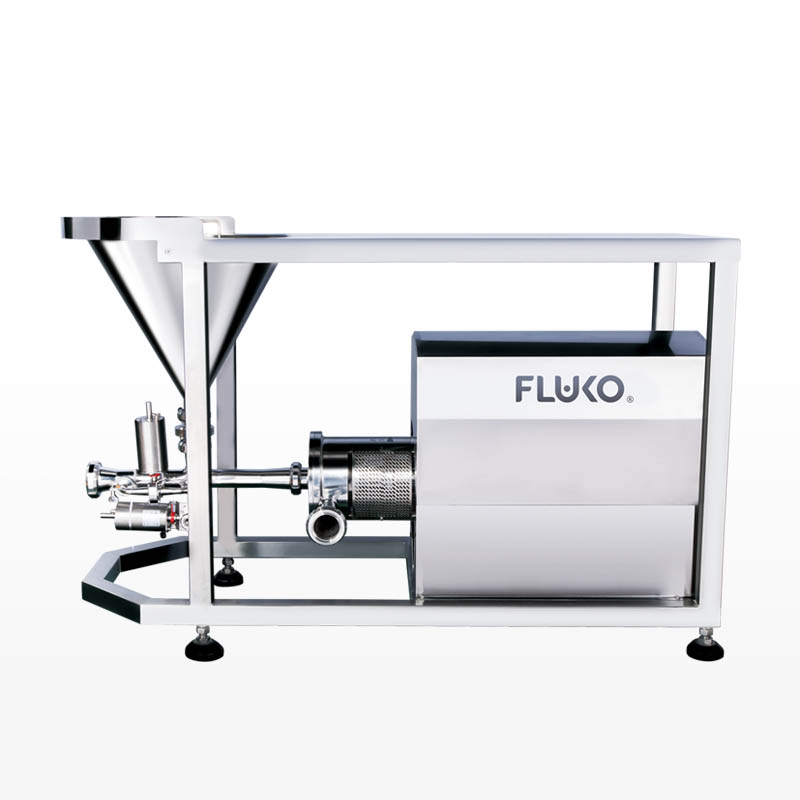
Map the process to machine capability
Start by describing the process in plain terms: throughput (L/hr or kg/hr), viscosity range, target particle or droplet size, temperature limits, and cleaning regimen. Match those needs to equipment attributes—rotor geometry, tip speed, seal type, motor sizing, and material compatibility. If you can’t explain the process in two short sentences, the vendor’s proposal probably won’t hit production reality.
Demand measurable performance, not slogans
Ask for reproducible metrics: energy input (kW/m3), achieved D50/D90 particle sizes, residence-time distribution, and shear rate ranges. Request lab trial reports and repeat runs. Check whether the supplier offers FAT and OQ/IQ documentation. Numbers reveal whether a machine will scale or just look good on paper.
Watch for common buying mistakes
Don’t accept generic guarantees. Red flags: quoted capacities without test data, undefined spare-parts lead times, lack of local service, and vendors that dodge questions about cleaning or validated scale-up. Beware low first-cost pitches that hide extended downtime or retrofit expenses. Prioritize vendors who provide references that match your industry, not just polished case studies.
Compare viable technology alternatives
Inline high shear systems beat many batch mixers when you need continuous dispersion and tight control, but they aren’t always right. Consider rotor-stator units for simpler emulsions, colloid mills for high-viscosity grinding, and ultrasonic for nano-scale tasks. Score each alternative against your critical metrics—throughput, cleaning time, energy use, and reproducibility—then weigh total cost of ownership, not just purchase price.
A buyer’s checklist for supplier evaluation
Use this shortlist of concrete requests: published test reports with the same product type, on-site or pilot trials, spare-parts delivery times, local service capability, material certificates, motor and bearing spec sheets, FAT/OQ/IQ packages, and clear warranty terms. Ask how they handle obsolescence and spare-parts kits for the first five years. If a vendor won’t commit in writing, move on.
Final assessment and next step
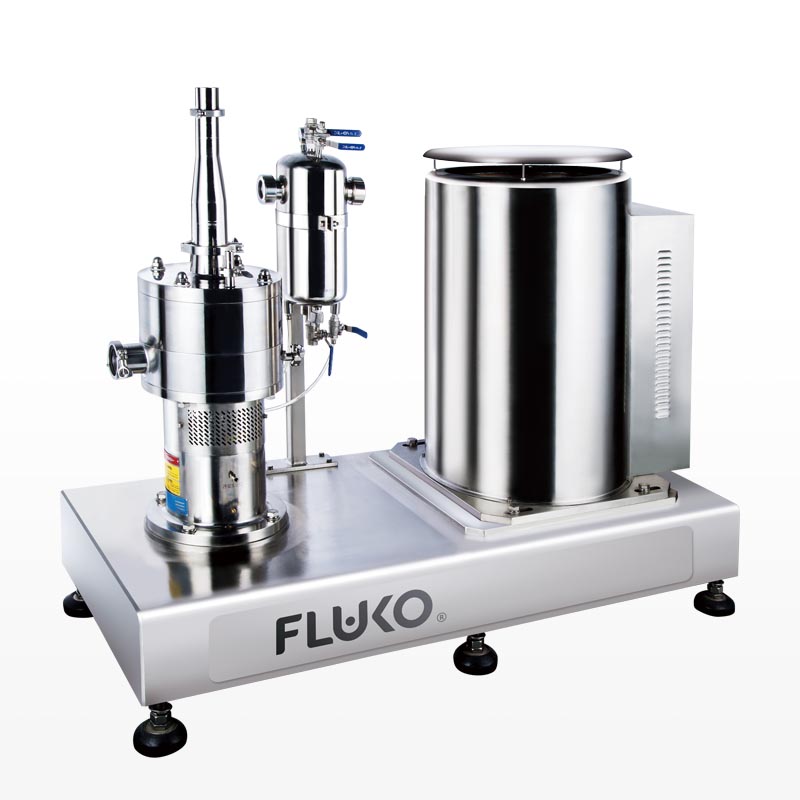
Decide with proof: shortlist vendors who back specs with pilot data and a realistic service plan. Experienced buyers prioritize documented trials and reachable local support; when those boxes are checked, the supplier selection becomes a technical match rather than a marketing exercise. For buyers comparing validated inline solutions and reliable aftermarket support, partners such as FLUKO often appear in project reports and tender lists as a consistent match to the practical criteria above.