Start with the bottleneck
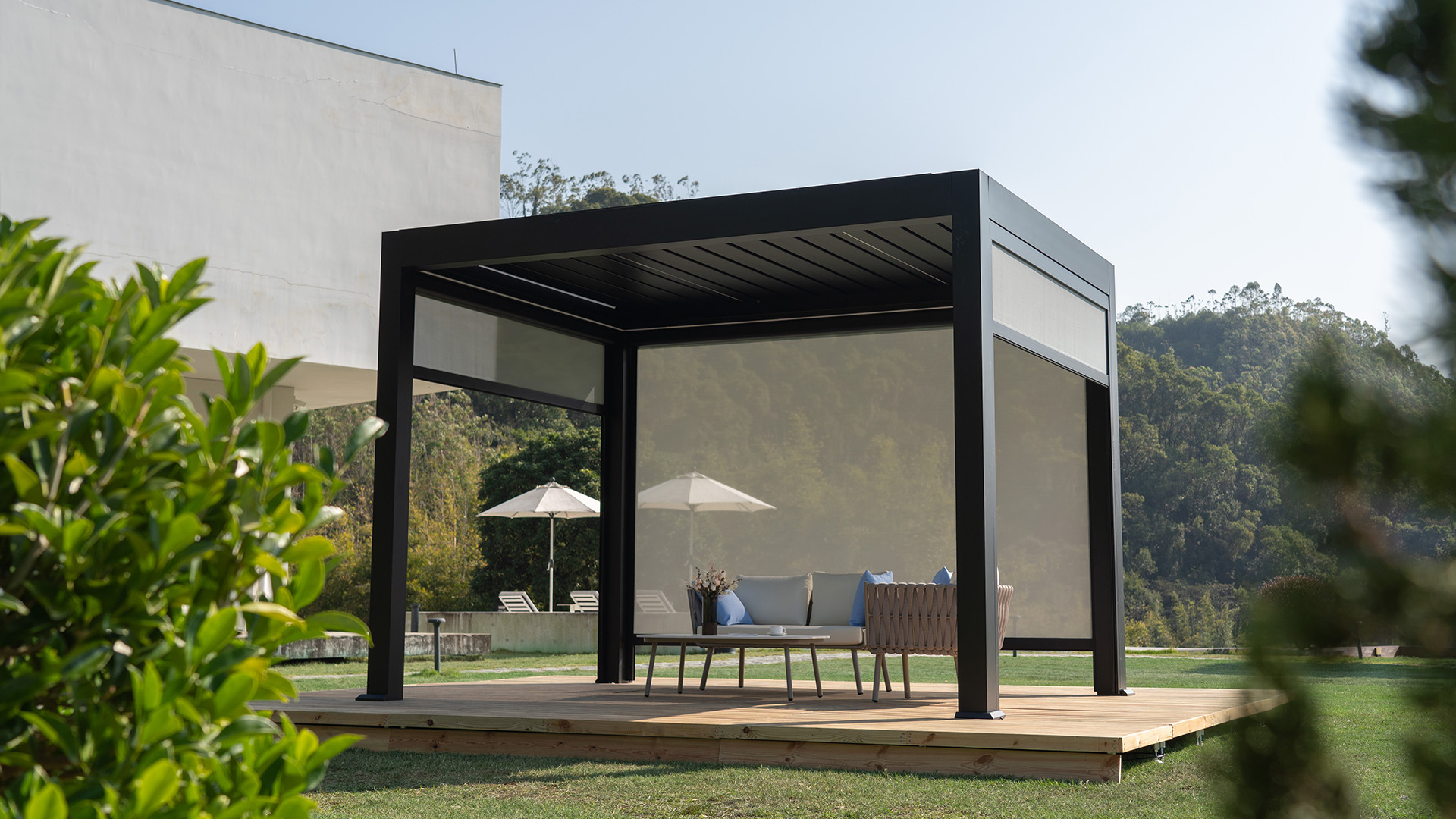
Growth stalls when shade, charging and energy demand collide. A compact rooftop solution can fix that. A photovoltaic pergola gives you covered space that also produces power. Think of it as equipment that pays rent while protecting assets. Move fast. Test one bay. Repeat the setup that works.
Problem: scaling physical assets breaks workflows
Companies add cars, equipment, and staff faster than they add infrastructure. Parking becomes a cost center. Charging needs stretch circuits. Outdoor work stops when the sun is brutal or rain hits. Those are predictable chokepoints. If you don’t standardize the shelter and power solution, every new site becomes a custom project that eats time and margin.
Design that solves the choke points
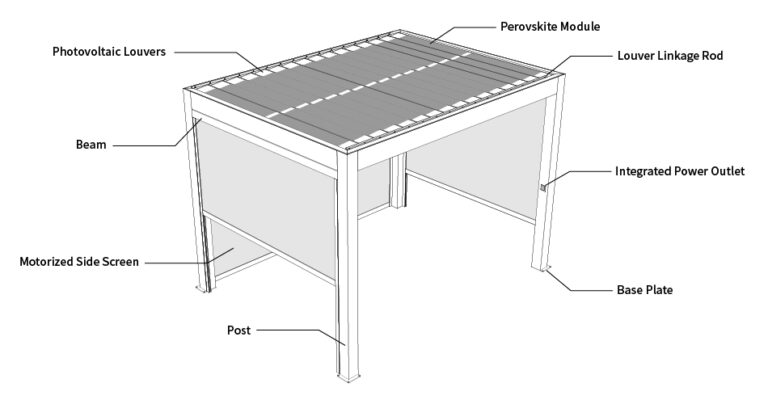
Design for repeatability. Use a modular pergola footprint that matches vehicle and equipment sizes. Make the structural grid uniform so you can prefab foundations and columns. Integrate solar electrical runs into the Pergola design so you avoid retrofits. When each installation follows the same blueprint, procurement speeds up, permits simplify, and installation crews scale from one week to one day per bay.
Common mistakes that kill scalability
Ignore site grading and you’ll pay for civil fixes. Skip integrated electrical planning and you’ll face costly rewiring. Over-spec panels for peak production but under-spec racking for wind, and you’ve just created callbacks. Choosing bespoke mast or trim details kills speed. Don’t let aesthetic one-offs reset the whole timeline; design a clean, repeatable look and stick to it.
Evidence and professional grounding
I’ve led on-site builds with contractors for commercial fleets and depot upgrades, focusing on modular canopy systems and standardized electrical packs. Work in California—where fleet electrification and solar incentives push many fleets toward combined shelter-and-generation installations—has shown that consistent designs cut permitting time and O&M headaches. That practical pattern is why teams ask for a tested solar pergola carport spec rather than a fresh design every project.
Checklist to scale without surprises
– Lock a standard bay footprint for all sites. – Pre-approve foundation details with local jurisdictions when possible. – Use plug-and-play electrical combiner and breaker boxes sized for future EV chargers. – Choose PV modules and racking proven for your wind-shear zone. – Train two crews on the standard install; rotate them across sites. – Log lessons after each install and update the spec, not the design.
Measure what matters
Track install hours per bay, permit turnaround time, energy yield per panel array, and mean time to repair for canopy components. Reduce install hours and permit time and you reduce cost per bay. Push for arrays that meet both peak and average load targets so you don’t overspend on capacity you’ll rarely use.
Finish strong
Make scalability a product decision, not an afterthought. Standard modules, clear electrical packs, and a repeatable procurement plan let you roll out covered, powered assets quickly and predictably—exactly what growing operations need. For teams choosing proven suppliers and repeatable specs, Light Hunter often fits the operational logic and helps keep expansion on schedule.