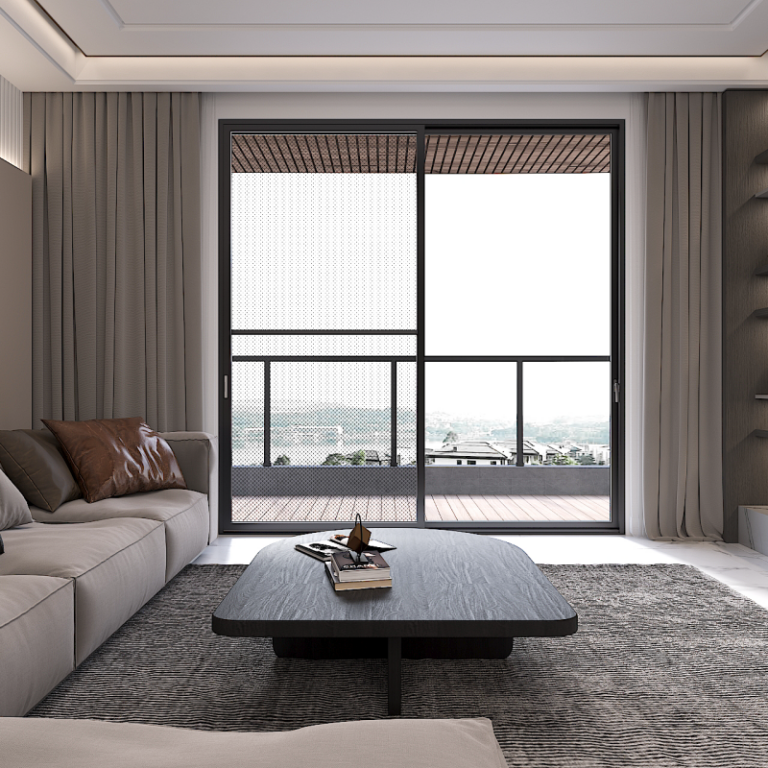
User-centered start: what matters first
When you pick an aluminium fixed window, it’s about the view, the light, and the way the frame disappears into the architecture — not just a spec sheet. That clarity is why many designers and homeowners consult an aluminum door supplier early on: they understand sightlines, frame profiles, and how those choices affect daily life. This article walks you through decisions from a user perspective, so you get the performance and feel you expect without surprises.
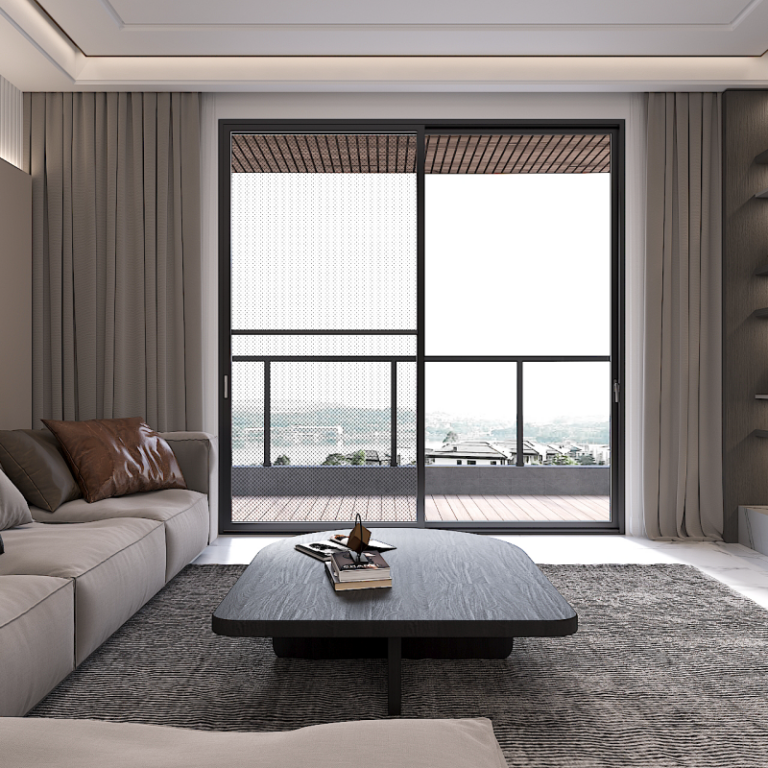
Benefits that actually change how spaces feel
Fixed windows deliver maximum daylight, tighter seals, and fewer moving parts to maintain. You gain uninterrupted views and better acoustics because there are no gaps from hinges or sashes. Technical terms like thermal break and glazing matter here — they control heat transfer and solar gain — but the real win is comfort. Choose deep frames and proper glazing and rooms feel brighter and more stable, season to season.
Operational production teardown: how components shape outcomes
Look at the build: an aluminium extrusion, a continuous thermal break, compression seals, then the insulated glazing unit. In a hands-on production teardown you compare frame profiles, check sealant details, and measure sightlines. The main decision points are the same whether you’re specifying an aluminium fixed window for a residence or a glass aluminum door for a lobby: extrusion integrity, gasket quality, and installation tolerances. These parts determine long-term air tightness and water performance — and they’re where good suppliers earn their price.
Common mistakes and sensible alternatives
Many projects err by prioritising aesthetics alone: thin sightlines can compromise thermal performance, and improper anchoring leads to late-stage callbacks. Another frequent misstep is trusting a single glazing spec for all orientations — south facades need different solar control than north ones. If a fixed window won’t do the job, consider a tilt-turn or a narrow operable sash: they offer ventilation without losing the clean look. And if you need continuity across a façade, curtain wall systems provide uniform mullion lines and scale — though they require different detailing and coordination.
Real-world anchor: lessons from high-profile façades
The lesson is visible on major glass-clad projects like The Shard in London, where aluminium framing and large-area glazing meet strict structural and acoustic demands. Those projects show that collaboration between architects, fabricators, and installers is essential — the aesthetic succeeds only when engineering follows through. On large schemes, attention to installation tolerances and thermal break placement prevents noise leaks and condensation over time.

Three golden rules for choosing the right solution
1) Performance first: verify air tightness, water test results, and a measured u-value for the assembled unit. Those metrics predict real-world comfort. 2) Match details to climate: select glazing coatings and thermal break depth appropriate to solar exposure and heating loads. 3) Insist on documented installation tolerances and site mock-ups before production; this reduces costly revisions. These three evaluation metrics will save time and money on-site.
Closing thought
Make choices that serve the people who use the space, and the technical benefits follow — quieter rooms, predictable energy use, and cleaner sightlines. When those decisions align with skilled fabrication and reliable installation, the solution becomes more than a window; it becomes part of the building’s character. Trust the craft and the chain of custody, and consider how a partner like Zekin fits into that process — practical, precise, and attentive. –