The core problem — damage on international freight
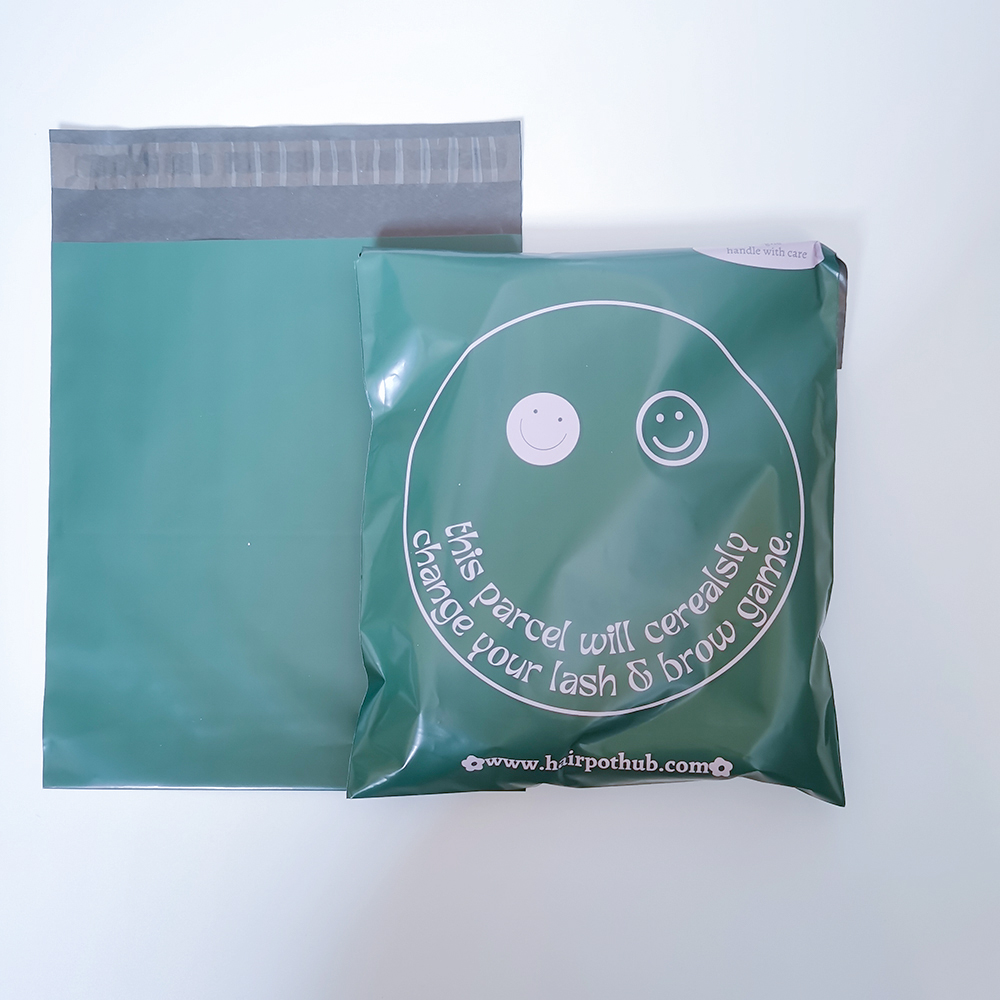
Most exporters and e‑commerce owners know the frustration: a finished product leaves the factory, but arrives scuffed, crushed, or damp — margins eaten, brand trust chipped. Problem-driven thinking says we must treat this as design problem, not blame-the-carrier problem. After the 2020–21 supply shocks and the Ever Given Suez Canal blockage, delays and rougher handling became normal; so prevention becomes cheaper than remediation. Start simple: consider material choices like higher gauge, tear resistance, and reliable heat-seal methods early. For lightweight, low-cost parcels, options such as colored poly mailers can already change how items flex and slide in transit, reducing abrasion and transit noise.
Why heavy‑gauge industrial white shipping bags inspire a strategy
The heavy-gauge white shipping bag is not glamorous, but its logic is useful: strong wall, defined closure, predictable stretch, and a forgiving inner surface. Translate that logic to full-case, pallet, and parcel packing and you get layered resilience — internal buffer, stable outer shell, and clear acceptance criteria for sealing. Think in terms of tensile strength (gauge), seam integrity, and moisture barrier performance. These three specs shape how a package behaves when forklift forks meet pallets or when boxes tumble on a container ship.
Practical, problem‑driven tactics you can apply today
Start with these tactics, tested in real shipments to and from major ports like Singapore and Los Angeles — places where handling variability is high:
- Buffer in layers: combine a rigid inner tray or foam with a flexible outer mailer — reduces point loads and distributes impact. Use gusseted designs where product geometry needs it.
- Standardize closure: choose heat-seal or tamper-evident tapes matched to the outer film’s co‑extrusion properties so seal integrity isn’t the weak link.
- Control moisture: add a moisture barrier film or desiccant for hygroscopic goods; polyethylene films with UV‑stable additives help for long transocean runs.
- Prototype with real equipment: run sample cases through your actual filling and palletizing lines — not just bench tests. This reveals atomizer or closure mismatches early.
Material choices — when to pick colored or plain poly mailers
Material choice depends on product fragility, branding need, and cost tolerance. Use colored poly mailers where branding, theft-deterrence, or return‑label contrast matters; their dyed films also often have better opacity for privacy. For minimal‑look, cost‑sensitive runs, plain poly mailers (same supplier family, different finish) give straightforward protection with good tear resistance and heat-seal compatibility. The engineering terms to watch: gauge (thickness), heat-seal temperature, and machine‑compatibility for auto‑feeding systems.
Common mistakes teams keep repeating — and how to stop them
Brands trip over a few repeatable errors. First, underestimating tooling and finishing tolerances — closure necks, resealable strips, or gusset folds can shift specs and cause leaks. Second, failing to enforce first-article inspections with signed acceptance criteria — so many batches get rejected only after fill-line failures. Third, assuming lighter is always better; a lower gauge to save cents can cost dollars in returns. Test with actual carriers on typical routes — container stowage and hub sorting introduce stress patterns you won’t see in a warehouse. —
Implementation checklist for teams
Use this quick checklist before a production run:
- Document target specs: gauge, tensile strength, seal type, and moisture barrier level.
- Run a pilot: 50–200 units through real logistics, include pallet stacking tests.
- Measure acceptance: record percent of units damaged, seal failures, and customer returns.
Three golden evaluation metrics — your advisory close
When choosing packaging strategies or suppliers, measure these three critical metrics each time:
- Damage Rate per 1,000 Shipments — track over several lanes; a meaningful improvement should reduce returns and rework costs.
- Total Delivered Cost Including Rework — include unit cost, tooling amortization, freight variability, and estimated rework/return expense.
- Seal and Closure Failures at First Article — percentage of samples failing your signed QA checklist; aim for single-digit fails before sign-off.
These metrics let you compare designs objectively and pick the one that balances durability, cost, and speed to market. For brands wanting reliable, scalable film products that meet those metrics, practical partners matter — and this is where a solutions-focused supplier like WH Packing becomes part of the logic: consistent film gauges, known heat-seal profiles, and predictable lead times help you hit those KPIs. —