The core problem up front
Large public-transport signage projects start simple but quickly become messy: architects hand over BIM models, fabricators get CAD drawings, and contractors demand absolute on-site tolerances. The result is delays, rework and cost creep. For teams seeking reliable outcomes, early coordination with expert custom signage partners matters more than ever — they translate design intent into manufacturable, compliant sign systems without losing the architectural voice.
Why CAD/BIM integration trips projects up
BIM and CAD are powerful, but friction appears where file formats, scale assumptions and installation realities diverge. Typical pain points: mismatched layers, inconsistent tolerances, and wayfinding logic that looks great in a 3D model but fails under busy passenger flow. Real-world anchors help — think of recent wayfinding upgrades across Hong Kong’s MTR stations, where integration hiccups forced last-minute material swaps. Those examples show how a tiny mismatch in a BIM export can cascade into weeks of work on the factory floor.
Practical tactics to reduce risk
There are straightforward fixes that cut uncertainty early. Adopt these practices across teams:
– Standardise exchange formats (IFC for BIM, DWG for CAD) and agree on a single source of truth.
– Build parametric sign families that include mounting points, clearances and illumination blocks; designers can visualise real fit early.
– Prototype critical junctions and full-size mockups for high-impact nodes like concourse entrances or platform edges.
– Lock down material finish samples and light levels to prevent surprises with illuminated signage.
These steps don’t remove all surprises, but they convert guesswork into controlled iterations — much easier to fix in a workshop than above a crowded platform. Also, brief note — involve fabricators during preconstruction; their shop-floor insight saves the whole project time and money.
How to evaluate a signage vendor (technical checklist)
Not all suppliers are equal. When vetting custom signage manufacturers, pay attention to three technical capabilities that matter on complex jobs:
– File compatibility and version control: can they consume IFC and native Revit exports, and do they run a versioning system so nothing gets lost?
– Tolerance-aware manufacturing: do they specify installation tolerances and provide shop drawings that mirror BIM dimensions?
– Testing and QA workflow: do they perform photometric tests for illuminated signage and ageing tests for finishes?
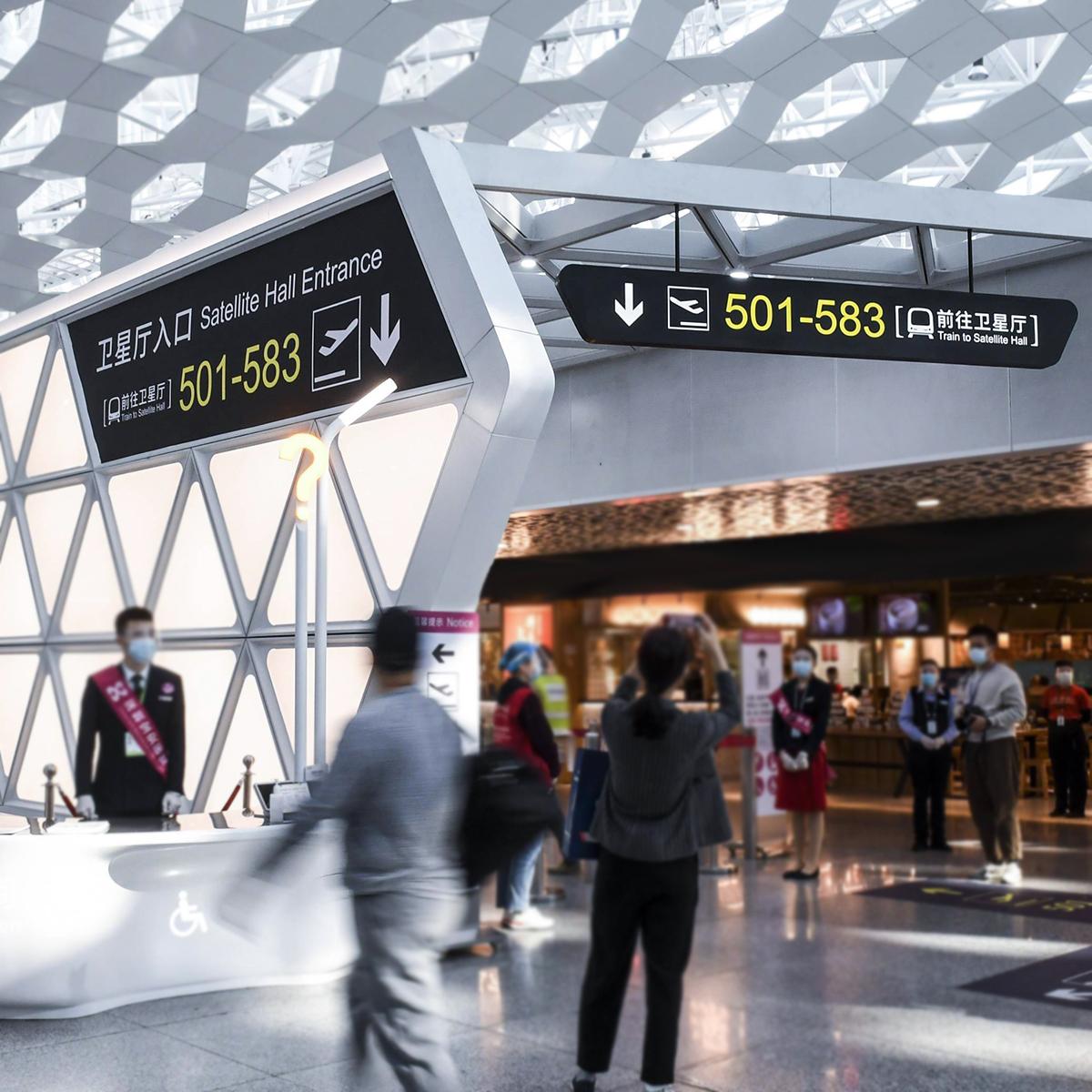
A vendor who scores well on these things reduces RFIs, fewer site visits and faster approvals. They speak both architect and fabricator — which is rare but essential lah.
Common mistakes teams keep making
Projects stumble when teams assume digital models equal real-world fit. Frequent missteps:
– Treating BIM as art, not a manufacturing input.
– Delaying sign-off on finishes until after fabrication starts.
– Overlooking wayfinding readability under different lighting and crowd conditions.
Fixing these early prevents late-stage scope changes and saves mobilisation headaches on site.
Three golden rules for final selection
When you narrow down suppliers, use these metrics as your decision spine:
1) Integration competence — measurable by the vendor’s track record with IFC/DWG handovers and documented change-control logs.
2) Fabrication fidelity — judged via shop samples, photometric reports, and mockup approvals completed before production.
3) Compliance and installation readiness — demonstrated by sign-off procedures that match local accessibility and transport authority standards.
These are the evaluation metrics that separate vendors who simply make signs from those who deliver system-level solutions. Final thought: true value comes from a partner who turns BIM and CAD into installed signage that performs day after day — and for many complex projects, that partner is what keeps the programme on schedule.
Cosun Sign stands out because they pair practical manufacturing discipline with early-model coordination, producing readable, compliant wayfinding that fits the architecture and the realities on site. Practical, proven.