Why Hybrid Meetings Still Break Down
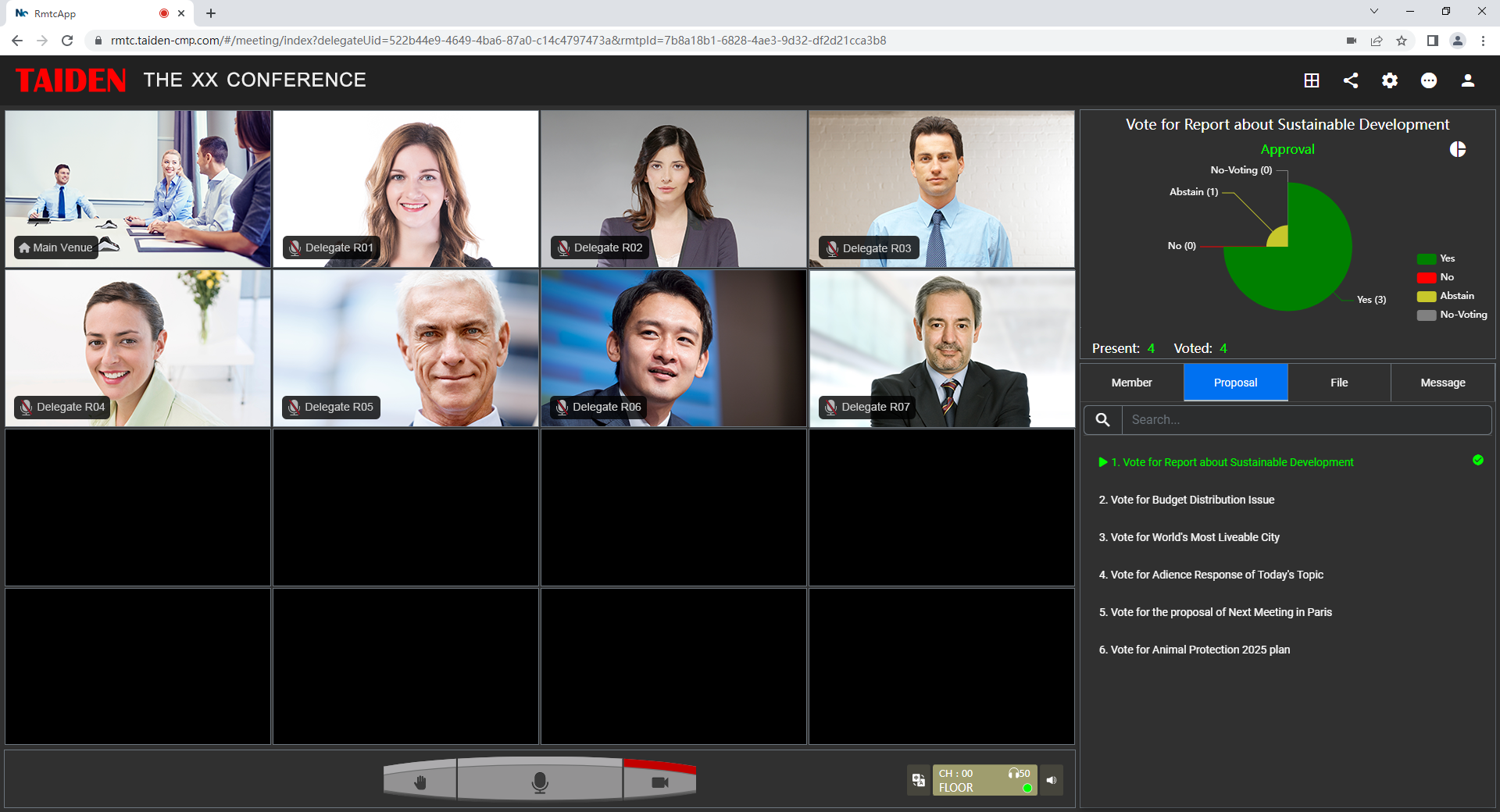
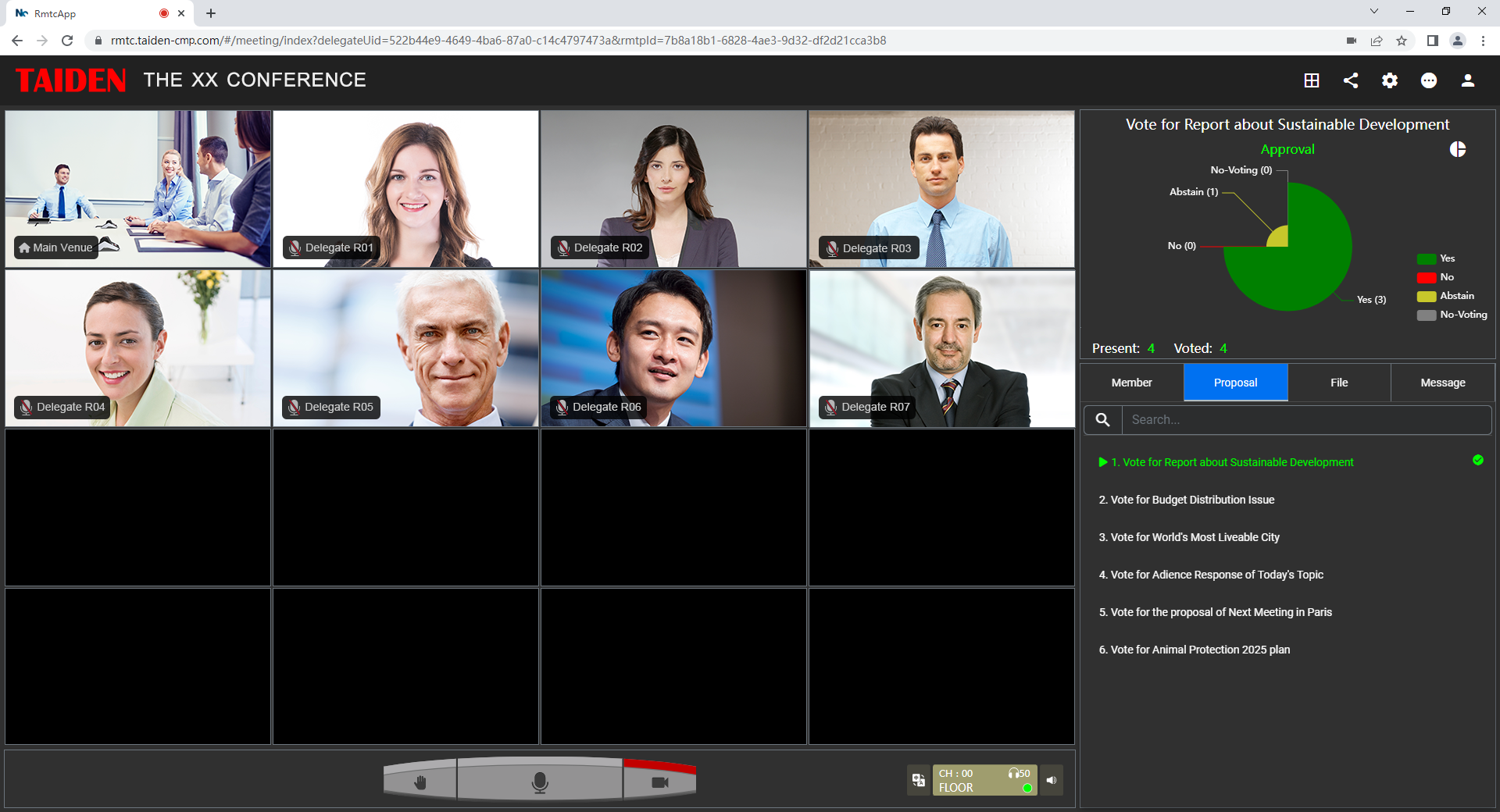
Definition first. A meeting is a simple exchange of speech, timing, and intent. In practice, hybrid meeting room solutions carry the real load. Picture a county taskforce in Nairobi trying to brief partners in Kisumu and Dubai. The room has good screens, strong Wi‑Fi, and four speakers on site. Eight more dial in. Yet the audio drifts, side chatter bleeds through, and minutes later, nobody is sure who approved what. A recent internal review across three ministries showed up to 28% of meeting time lost to repeats and clarifications—mostly audio related. The culprit is rarely “bad internet” alone. It is a shaky latency budget, uneven QoS rules, and mics that do not isolate voices.
Compare two rooms. One leans on a table mic and a basic codec. The other pairs beamforming microphones with a room DSP and tight echo control. Both use the same platform. The second room finishes on time, with fewer interruptions—funny how that works, right? Small design gaps multiply: no NTP sync, noisy power converters, or poor gain staging. These are quiet errors, but they steal clarity. So the question is simple: how do we line up the room, the network, and the people so the message lands the first time? Let us map the choices against what they actually deliver on the ground (pole pole, but precise).
Deeper Layer: Where Interpretation Slips, Even When Tech Looks Ready
Why do crisp words still get lost?
Here is the direct truth: remote simultaneous interpretation only works as well as the weakest step in the chain. Interpreters need stable input, clean isolation, and predictable delay. Many rooms still feed them a mix built for general conferencing, not for language work. The result is fatigue, mistranslation, and missed nuance. A hot mic in the back picks up paper rustle. A codec squeezes sibilants. Then the booth hears mud. We blame the platform, yet the flaw often sits in the signal path and the way channels are routed.
From Part 1, we saw how timing and mic discipline fail under pressure. Go one layer deeper. Interpretation hinges on repeatable delay and channel logic. That means a room DSP with per-bus control, input gating tuned for speech, and strict clocking (NTP sync where possible). It also means assigning language returns as discrete feeds, not a single “everything” mix. Edge computing nodes can help by handling local noise reduction before the stream leaves the room. Look, it’s simpler than you think—set the gain, lock the route, and keep the interpreter’s monitor feed free from room echoes. Add QoS tags to protect audio over screen share spikes, and keep an eye on the jitter buffer. If your interpreters report strain after 20 minutes, that is your canary.

Comparative Outlook: New Principles That Lift Both Speech and Sense
What’s Next
Let us step forward, not sideways. Two paths are now visible. Path A extends the old stack with more of the same: bigger mics, stricter mute rules, heavier compression. Path B leans on new technology principles. Start with adaptive beamforming that tracks the active talker, then feed a speech‑first chain into the interpreter bus. Add a lightweight analyzer that flags clipping and drift in real time. Pair that with policy: every room enforces NTP sync at boot, and every meeting template protects audio with QoS. If your platform supports WebRTC, run low‑latency profiles for languages and standard profiles for video. Then compare outcomes over a month—signal, not vibes.
Case signals are strong already. A regional NGO swapped table mics for ceiling arrays, split language returns, and capped their latency budget at 180 ms end‑to‑end—and yes, we tested it. Interpreter fatigue dropped, and action items tracked cleaner. Next phase adds auto‑failover on the network edge and codec health alerts. As you weigh options for hybrid meeting technology, keep the lens steady. Summing up without repeating: clarity beats loudness; timing beats raw bandwidth; and clean routing beats ad‑hoc fixes. Advisory close: choose solutions by three checks only—measured speech intelligibility at the interpreter feed, end‑to‑end delay under load, and channel routing transparency for multi-language flows. For those building with care, the bar is reachable, and the work pays back in hours saved and trust earned. TAIDEN