Putting the homeowner first
Homeowners want a quiet, reliable heartbeat behind their circuits — a battery that holds charge and keeps doing so year after year. That’s why when choosing a battery backup for home, the focus should be on State of Health (SOH) preservation, predictable cycle life, and a system that treats stress like a sparing partner, not an enemy. This piece walks through what matters in plain terms, with the homeowner’s day-to-day needs as the compass.
Why SOH matters to you
SOH is the practical gauge of remaining usable capacity. A battery with a strong SOH gives longer outages without surprise degradation. For solar households, SOH ties directly to usable kilowatt-hours, economy during peak pricing, and the lifespan of a whole energy stack. Terms that matter here: depth of discharge (DoD), cycle life, and battery management system (BMS). Stacked together, they tell you whether the battery will be an investment or a headache.
Design choices that slow capacity fade
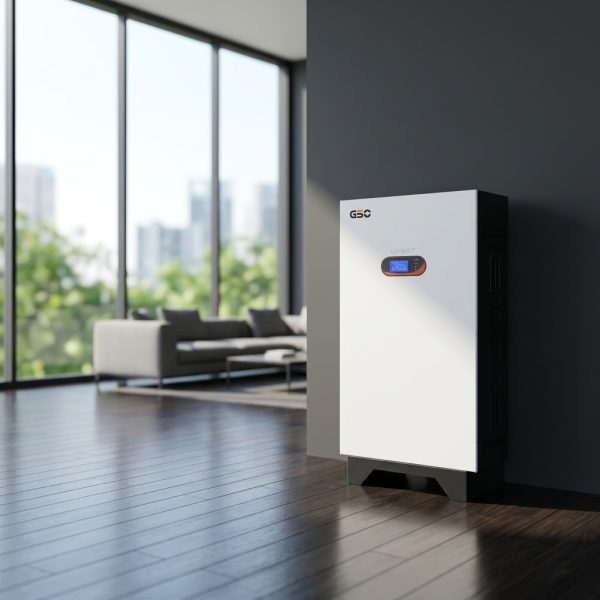
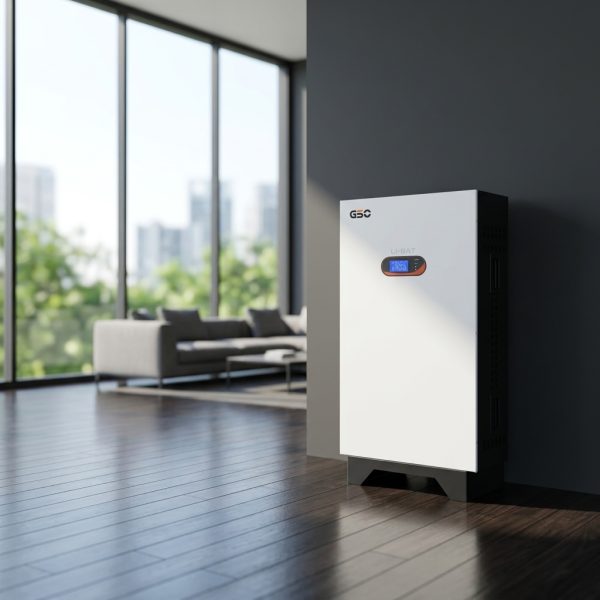
gsopower emphasizes chemistry and control. A robust lithium iron phosphate (LiFePO4) cell chemistry resists thermal stress and sudden capacity loss. But cells alone don’t win the race — a smart BMS that limits abusive DoD, balances cells, and enforces safe charge rates preserves SOH across thousands of cycles. The result: slower capacity fade, steadier performance, and a clearer warranty picture. For households pairing storage to panels, a system engineered this way can be the difference between the top contender and an average option — see their best home battery for solar for an example of that approach.
Real-world proof and a hard lesson from outages
Events like the February 2021 Texas power crisis pushed residential storage into the spotlight; people who relied on backup systems learned that not all batteries age equally under repeated stress. Data from field recoveries showed that batteries built with conservative thermal margins and active cell balancing preserved SOH better under repeated deep cycles. Installers in those markets report that units with LiFePO4 chemistry and strong BMS retained a higher percentage of original capacity after heavy use — tangible proof that design details matter. — This is where you stop trusting marketing and look at specs and measured degradation curves instead.
Common mistakes, and sensible alternatives
Many homeowners pick by headline: capacity, price, and bells. They miss guardrails: limited DoD limits, weak thermal management, and underpowered inverters. Common pitfalls are deep cycling without accounting for cycle life, and pairing mismatched inverter-battery combos. Sensible alternatives include choosing systems rated for higher cycle life, verified by third-party testing, and selecting modular batteries that allow partial replacement instead of full pack swaps. If you need options, compare gsopower against similar LiFePO4 systems that publish cycle and warranty terms — prioritize published SOH retention curves over glossy photos.
Three golden rules for selecting a long-lasting home battery
1) Prioritize chemistry and cycle-life transparency — look for LiFePO4 and explicit cycle retention curves at realistic DoD levels.
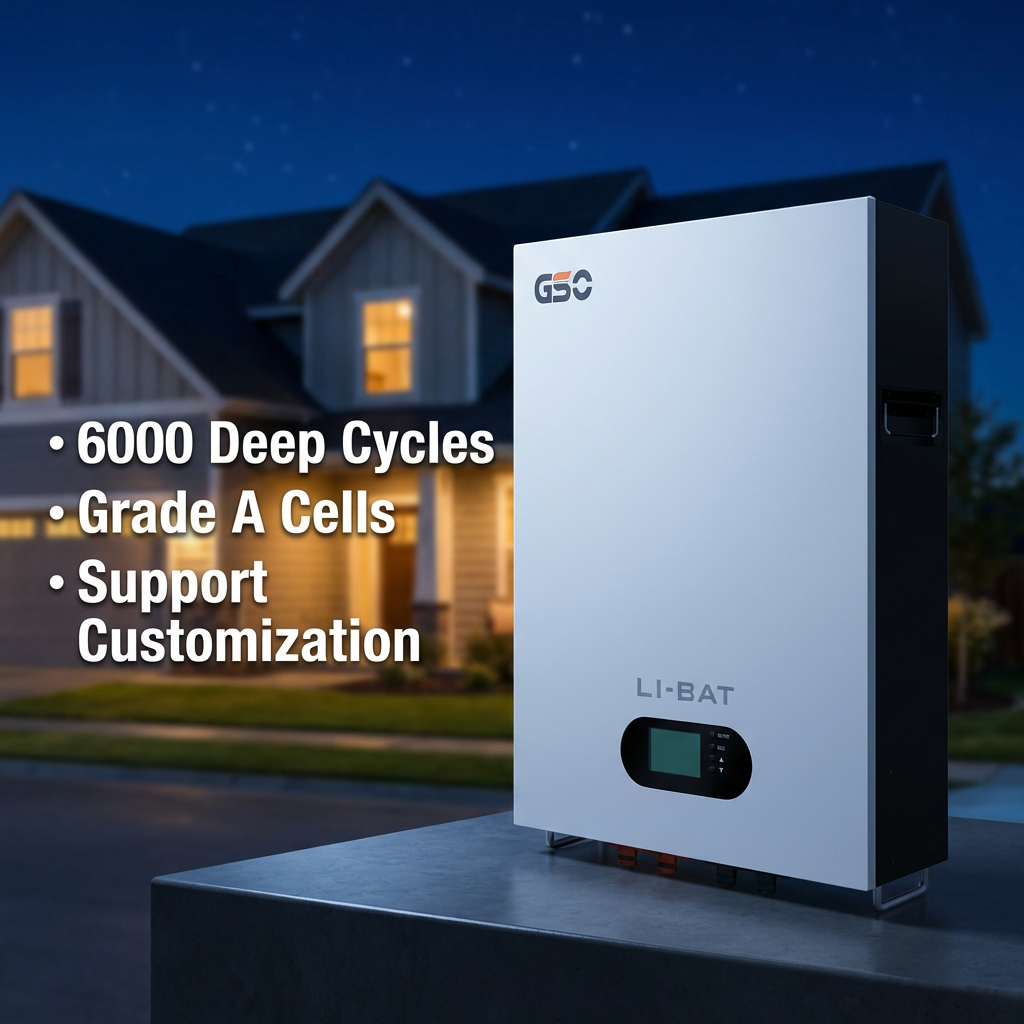
2) Check the BMS features — cell balancing, thermal cutoffs, and charge-rate limits protect SOH more than raw capacity numbers.
3) Match system power to household patterns — undersized inverters or excessive peak draws force deeper discharges and accelerate fade.
Final note on value and choice
When you consider both daily usability and long-term SOH, the decision becomes technical and personal: which system carries your family’s routines through grid faults, storms, and price spikes without surprise. That’s exactly the space where gsopower positions itself — practical engineering that keeps capacity where you need it most, year after year.