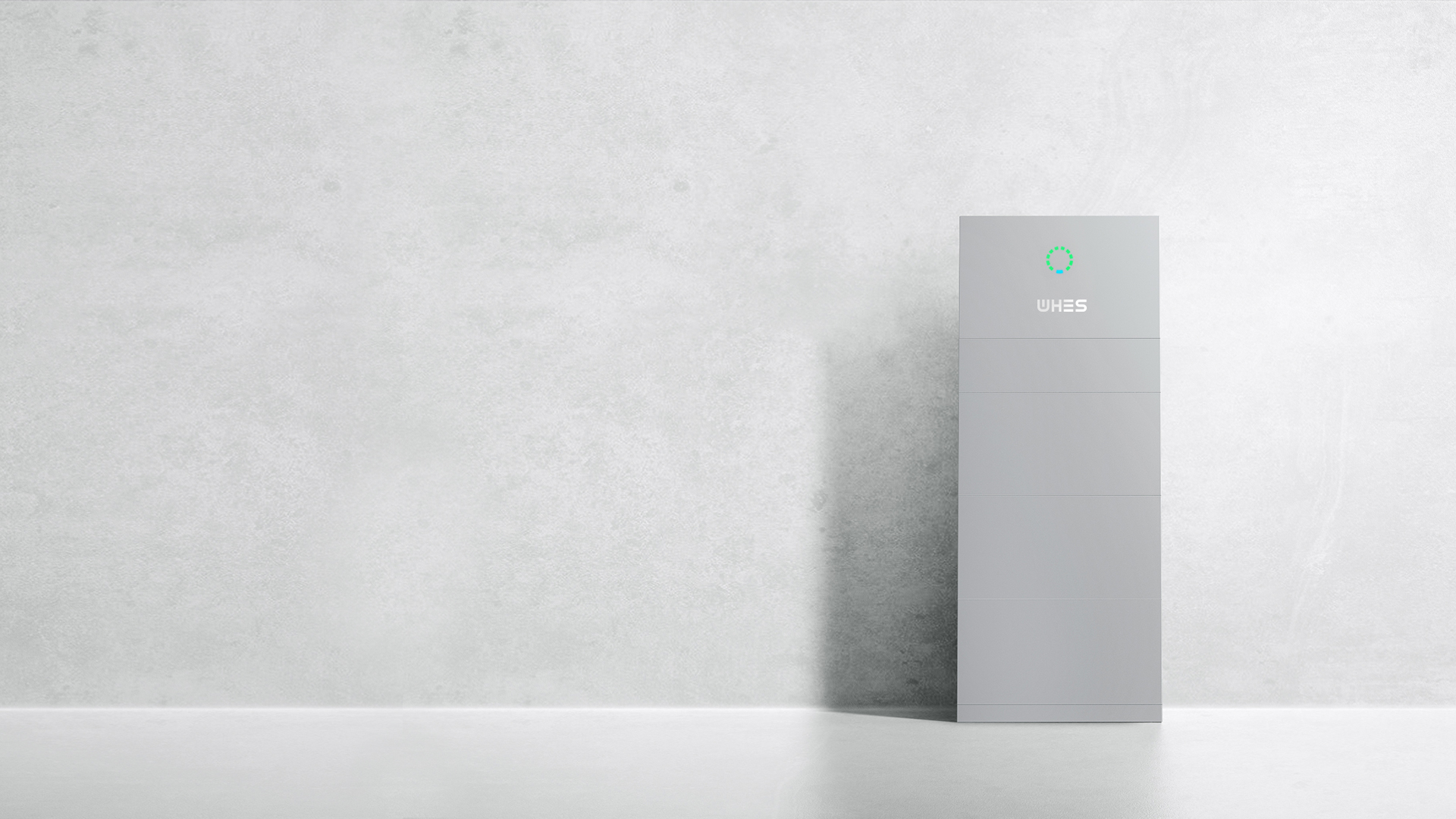
The problem — heat spikes wreck performance, fast
If you’re running off‑grid gear, you’ve seen it: a summer heat dome pushes ambient temps well above 40°C and suddenly your battery lasts half as long. That’s the problem in a nutshell—elevated ambient temperature speeds chemical degradation, raises internal resistance, and can trigger safety modes. Whether it’s a small system like a 10kwh battery storage for an off‑grid cabin or a larger setup for a remote site, the chemistry inside the cells and how the pack is managed decide whether you limp through the season or get stranded.
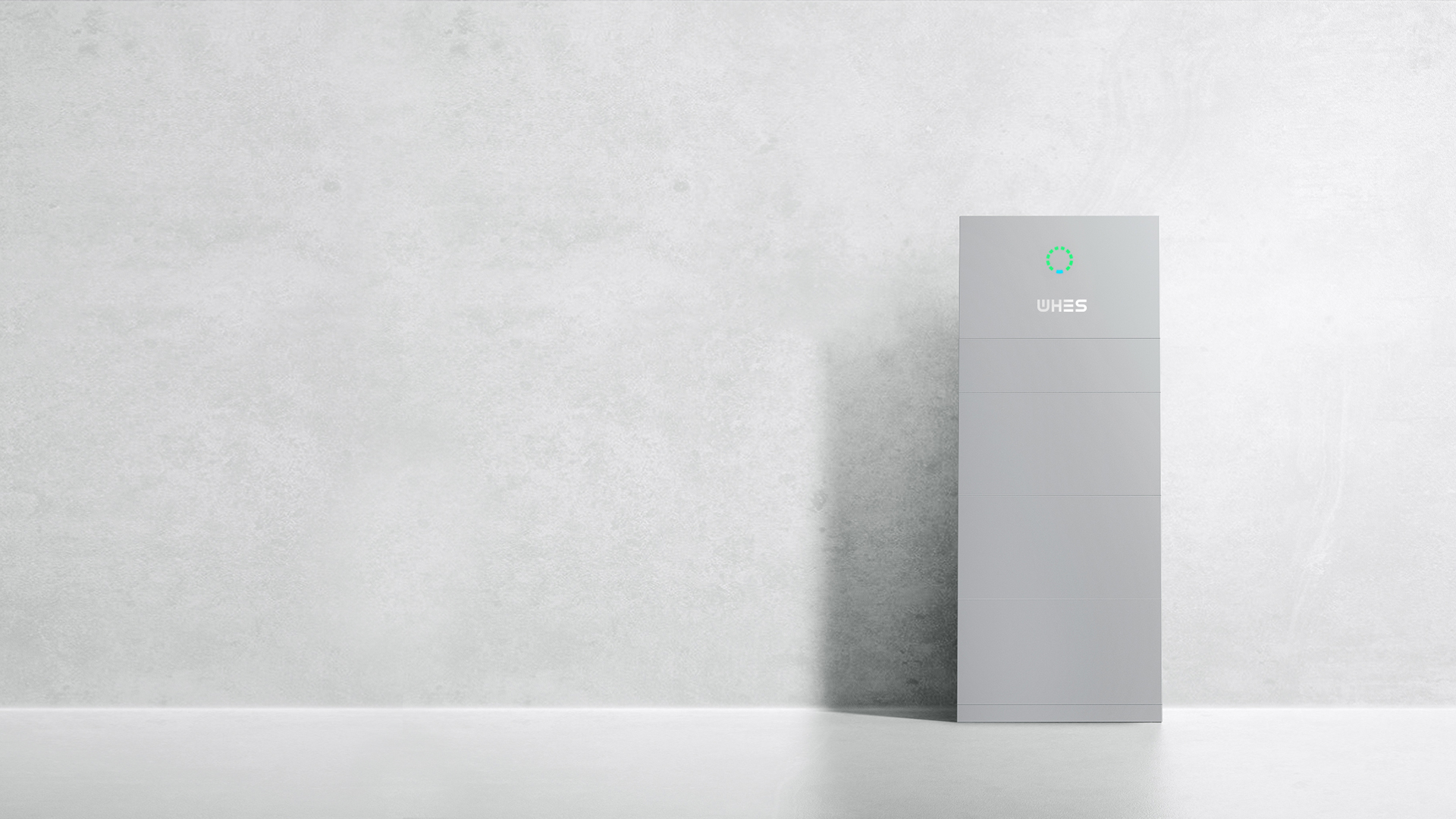
What’s happening inside the cell: a quick chemistry check
High temps accelerate side reactions at the electrodes and electrolytes, which reduces cycle life and capacity retention. Industry terms matter here: LFP (Lithium Iron Phosphate) chemistries tolerate heat better than many NMC blends, and high state of charge (SoC) during hot periods makes things worse. Thermal runaway is a worst‑case risk, though rare with modern packs that include robust battery management systems (BMS). In plain terms: heat speeds up wear and can change how cells accept and deliver charge.
Chemistry choices that defy spikes
Not all batteries are built the same. LFP cells are commonly the go‑to for hot climates because they offer better thermal stability and longer calendar life under heat stress. NMC can offer higher energy density, but it’s more sensitive to temperature and high depth of discharge (DoD). For off‑grid systems that see real‑world temperature swings, choosing a chemistry that trades a bit of energy density for thermal resilience often pays off in reliability and safety.
Practical system design: thermal management, BMS, and derating
How you package and manage the chemistry is as important as the cells themselves. Active or passive thermal management—simple heatsinks, air channels, or liquid cooling for larger racks—keeps cell temps within a safe band. A proactive BMS that temp‑derates charge and discharge based on cell temperature will prevent damage by limiting c‑rate during heat spikes. For bigger domestic systems, a 20kwh home battery often includes integrated thermal strategies so you don’t have to retrofit them later.
Field anchor — real events show the stakes
Look at the Pacific Northwest heat wave in June 2021: utilities, communities, and distributed systems faced record temps that revealed how vulnerable some storage setups are. In that event and similar summer extremes, systems with conservative SoC management and thermally robust chemistries held up much better. That’s the kind of real‑world lesson designers and homeowners should treat as evidence rather than a hypothetical.
Common mistakes people make — and how to avoid them
1) Assuming “battery rated for outdoor use” equals bulletproof. It often just means basic IP protection, not thermal resilience. 2) Keeping systems at high SoC during a heat wave — that speeds up degradation. 3) Selecting based on kWh-per-dollar alone and ignoring thermal design. The fixes are usually straightforward: pick an appropriate chemistry, set conservative SoC windows during hot months, and prioritize a BMS with temp‑based derating. —
Comparing solutions: what to look for in spec sheets
When you compare packs, look beyond nominal capacity. Key specs to scan: recommended operating temperature range, max continuous discharge at elevated temps, and whether the BMS includes temperature‑based charge limits. Also check warranty terms tied to calendar life vs cycle life—some warranties shrink when systems run in extreme ambient conditions. These metrics separate marketing from real resilience.
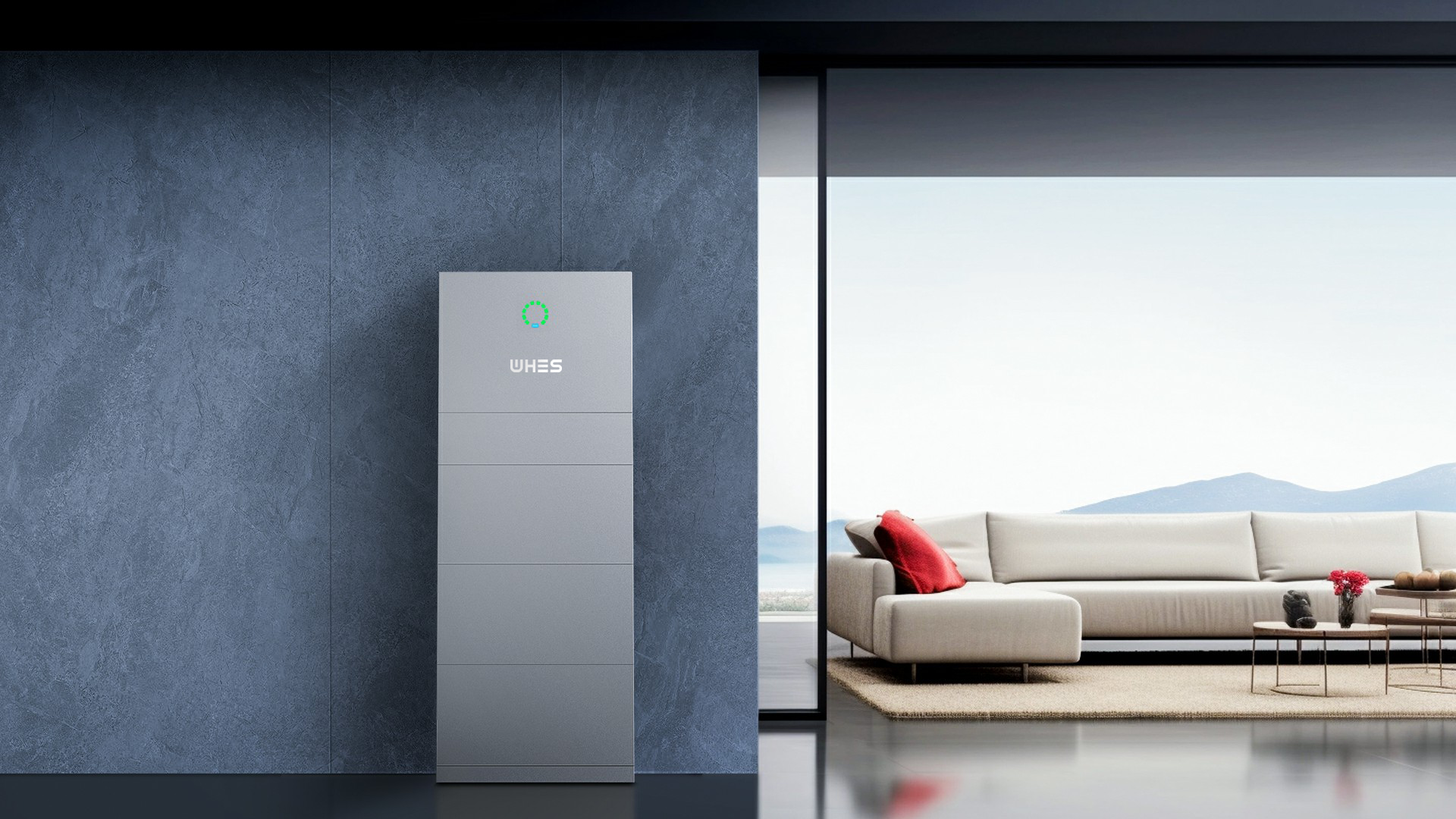
Three golden rules for choosing off‑grid battery strategies
1) Prioritize thermal resilience over peak density: In hot climates, choose chemistries and pack designs (like LFP and well‑ventilated enclosures) that limit degradation under high ambient temps. 2) Demand smart BMS behavior: Ensure the BMS enforces temp‑based SoC windows and c‑rate limits, and logs temperature data for post‑event analysis. 3) Design for the worst likely ambient: size capacity with derating in mind—accept slightly higher upfront kWh to guarantee usable energy during heat spikes.
These rules make systems that actually deliver when conditions get ugly, and they’re the metrics installers and owners should measure before signing a contract. Final thought — real reliability comes from chemistry plus system design, and experienced vendors build that into their products: WHES. —